CM Gujarat Highlights Modi Govt's 12-Year Women Welfare Record
Synopsis
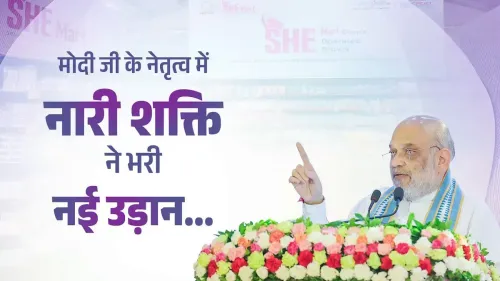
The Chief Minister's Office of Gujarat amplified a piece on X reviewing twelve years of Modi government women-welfare reforms, spanning schemes like Ujjwala Yojana and Beti Bachao Beti Padhao to the landmark 33 percent women's reservation constitutional amendment passed in 2023.
Key Takeaways
Beti Bachao Beti Padhao was launched in January 2015 to address the declining child sex ratio and promote girls' education.
Pradhan Mantri Ujjwala Yojana (May 2016) delivered LPG connections to below-poverty-line households, directly benefiting women.
Mahila Shakti Kendras established in 2017 provide grassroots support for women facing violence or distress.
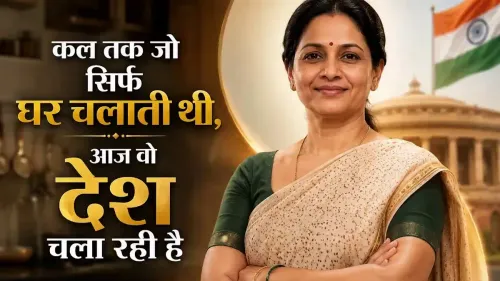
The Nari Shakti Vandan Adhiniyam passed in September 2023 mandates 33 percent reservation for women in Parliament and state assemblies.
The Gujarat CMO shared the content via the NaMo App on 7 June 2026 , reflecting Union-state coordination on welfare messaging.
Implementation of the women's reservation law remains tied to pending delimitation and census processes.
The Chief Minister's Office of Gujarat on Sunday, 7 June 2026 shared an article on X examining how twelve years of policy reforms under the Modi government have shaped the lives of women across India, amplifying a broader Union government narrative on gender-focused welfare delivery.
Context
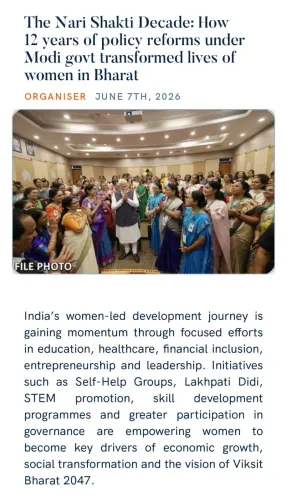
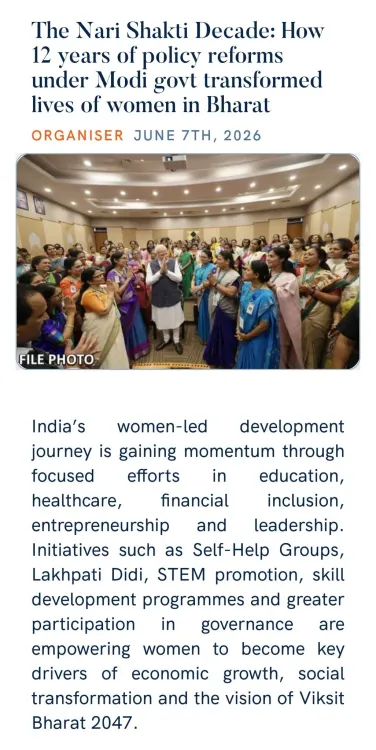
The post, shared via the NaMo App, links to a piece titled 'The Nari Shakti Decade: How 12 years of policy reforms under Modi govt transformed lives of women in Bharat.' The Gujarat government's official handle sharing this content illustrates the coordinated communication strategy between the Union government and state administrations on welfare messaging. The amplification comes as the central government marks over a decade of gender-focused policy rollouts since 2014.
Policy Backdrop
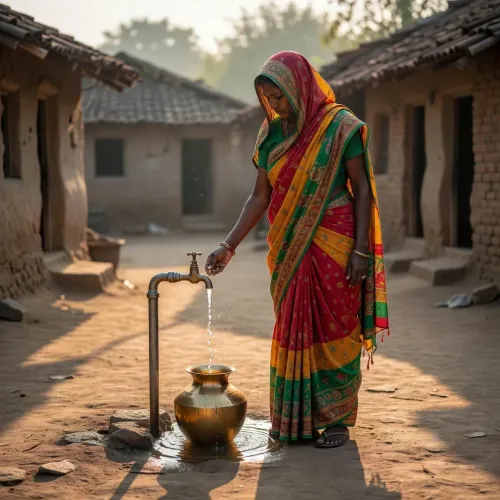
Several flagship schemes form the backbone of the welfare arc being highlighted. Beti Bachao Beti Padhao, launched in January 2015, targeted the declining child sex ratio and aimed to improve girls' access to education through awareness campaigns and enforcement drives. The Pradhan Mantri Ujjwala Yojana, rolled out in May 2016, delivered LPG connections to below-poverty-line households, reducing indoor air pollution that disproportionately affected women.
The establishment of Mahila Shakti Kendras in 2017 created one-stop support centres for women facing violence or distress at the grassroots level. Most significantly, the passage of the Nari Shakti Vandan Adhiniyam in September 2023 mandated 33 percent reservation for women in the Lok Sabha and state legislative assemblies — a constitutional milestone in political representation.
Stakeholders and Impact
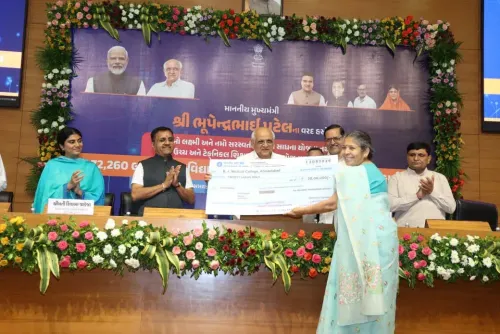
The primary beneficiaries of these schemes span rural women, girl students, and households below the poverty line. Parallel initiatives including Jan Dhan financial inclusion accounts, the PM Matru Vandana Yojana for maternal health support, and expanded self-help group networks have broadened the reach of gender-focused welfare infrastructure. State governments, including Gujarat, have played a delivery and communication role in ensuring scheme uptake at the local level.
The coordination between the Government of Gujarat and central welfare messaging reflects a pattern seen across BJP-governed states, where official handles routinely amplify Union government scheme milestones. This alignment reinforces a unified narrative on women's empowerment ahead of electoral cycles.
What's Next
Attention now turns to the phased implementation of the women's reservation law, whose provisions are tied to delimitation and census processes yet to be completed. Updated indicators from the National Family Health Survey on female literacy rates and workforce participation will be closely watched as benchmarks for measuring the on-ground impact of the decade-long policy push. The sustained communication campaign suggests the Modi government intends to keep women's welfare central to its political messaging through the next electoral cycle.
Point of View
Over a year before the next general elections are due, suggests the party is building a welfare-record narrative targeted at women voters, a demographic that proved decisive in recent state contests. The Nari Shakti Vandan Adhiniyam, still awaiting full implementation, gives the government a forward-looking hook even as it leans on completed schemes. State handles echoing central messaging also underscores how tightly the BJP coordinates its digital outreach across the Union-state axis.
NationPress
21 Oct 2026
Frequently Asked Questions
What is the Nari Shakti Vandan Adhiniyam?
The Nari Shakti Vandan Adhiniyam is a constitutional amendment passed in September 2023 that reserves 33 percent of seats for women in the Lok Sabha and state legislative assemblies. Its implementation is linked to the completion of delimitation and census processes.
What is Pradhan Mantri Ujjwala Yojana and who does it benefit?
Pradhan Mantri Ujjwala Yojana, launched in May 2016, provides free or subsidised LPG cooking gas connections to households below the poverty line. It primarily benefits women by reducing their exposure to harmful indoor air pollution from traditional cooking fuels.
What is Beti Bachao Beti Padhao?
Beti Bachao Beti Padhao is a central government scheme launched in January 2015 to combat the declining child sex ratio and improve educational opportunities for girls through awareness campaigns and administrative enforcement.
Why is the Gujarat CMO sharing content about central government women welfare schemes?
The Gujarat Chief Minister's Office sharing central government welfare content reflects a coordinated communication strategy between Union and BJP-governed state governments to amplify the Modi government's policy record on women's empowerment.
What are Mahila Shakti Kendras?
Mahila Shakti Kendras are community service centres established by the central government in 2017 to provide rural women with a single-window support system covering issues ranging from domestic violence to skill development and welfare scheme access.