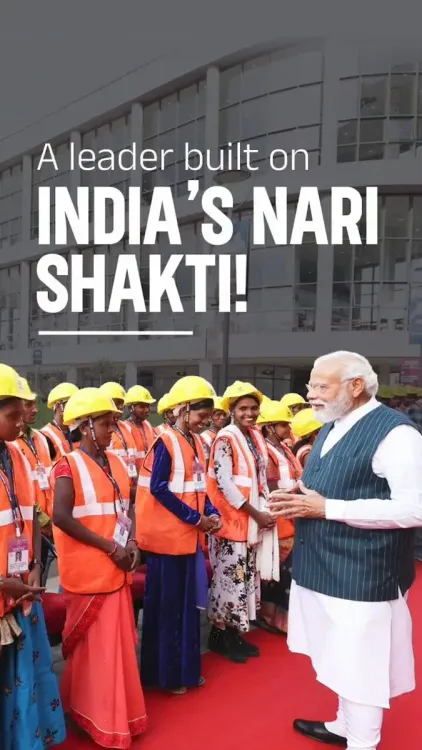
Gadkari credits Modi govt's 12 years for Nari Shakti rise
Synopsis
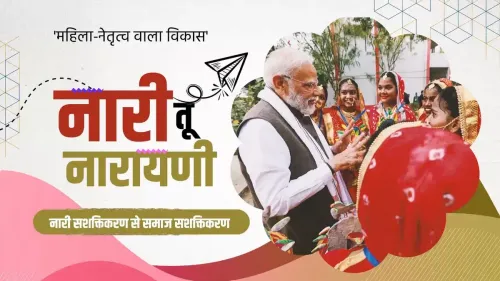
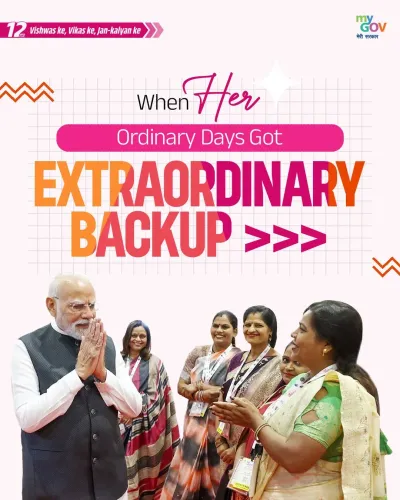
Union Minister Nitin Gadkari marked twelve years of the Modi government's women-centric welfare agenda on June 13, 2026, citing LPG access, Jal Jeevan Mission, financial inclusion, and women's entry into defence and aviation as milestones of 'Nari Shakti.'
Key Takeaways
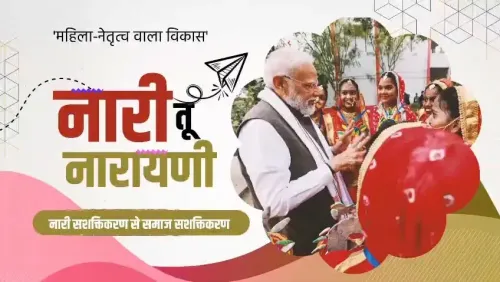
Union Minister Nitin Gadkari posted on June 13, 2026 marking #12YearsOfNariShakti under the Modi government .
The Pradhan Mantri Ujjwala Yojana (2016) provided free LPG connections to women from below-poverty-line households.
The Jal Jeevan Mission (2019) targeted piped drinking water for all rural households, reducing drudgery for women.
Self Help Groups under NRLM and MUDRA loans (2015) expanded credit and entrepreneurship access for women.
Policy changes from 2015 onward enabled induction of women into combat roles in the armed forces.
The Beti Bachao Beti Padhao scheme (2015) addressed child sex ratio and girls' education as a foundational plank.
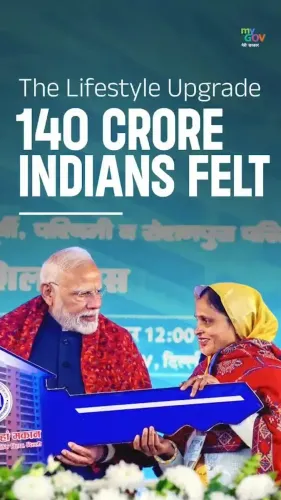
Union Road Transport and Highways Minister Nitin Gadkari on Friday, June 13, 2026, highlighted twelve years of the Narendra Modi government's women-centric welfare push, crediting flagship schemes with transforming women into 'drivers of national growth' across rural enterprise, defence, and aviation sectors.
Context
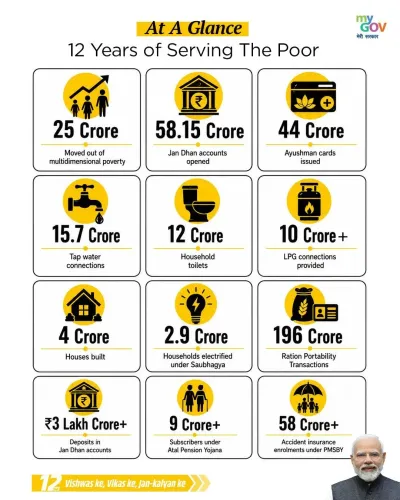
Gadkari's post, tagged #12YearsOfNariShakti, marks a broader ruling-party commemoration of the BJP-led government's twelve-year record on women's welfare since May 2014. The minister cited access to tap water, sanitation, and LPG connections as foundational gains that 'enhanced dignity and saved time' for women, particularly in rural households.
He also pointed to financial inclusion, homeownership, and Self Help Groups (SHGs) as mechanisms that 'unlocked entrepreneurship and independence,' framing these not merely as welfare outcomes but as economic contributions to the nation.
Policy Backdrop
The schemes referenced align with several central government programmes. The Pradhan Mantri Ujjwala Yojana, launched in 2016, extended free LPG connections to women from below-poverty-line households, replacing traditional cooking fuels. The Jal Jeevan Mission, announced in 2019, targeted piped drinking water for all rural households — a burden historically borne by women who walked long distances to collect water.
The Swachh Bharat Mission, begun in 2014, focused on household toilets and ending open defecation, widely credited with improving safety and dignity for women. On financial access, the Pradhan Mantri Jan Dhan Yojana — also launched in 2014 — drove mass bank-account adoption, with women among the primary beneficiaries. The MUDRA loan scheme of 2015 further supported micro-enterprises, including a large share of women borrowers.
The government's Beti Bachao Beti Padhao initiative, announced in 2015, targeted the child sex ratio and girls' education, forming the social foundation on which later economic-participation schemes were built.
Stakeholders and Impact
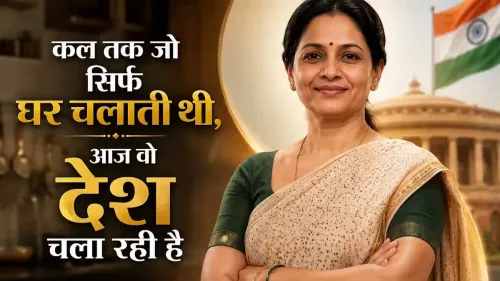
The post's framing encompasses a wide arc of beneficiaries — from rural women gaining clean cooking fuel and water, to women entrepreneurs accessing SHG credit and MUDRA loans, to female defence personnel inducted into combat roles following policy changes from 2015 onward. Gadkari specifically cited women's presence in the defence forces and aviation as markers of barrier-breaking progress.
Women-led SHGs, promoted under the National Rural Livelihoods Mission (NRLM) since 2011 and significantly expanded post-2014, have become a key vehicle for rural credit access and collective enterprise. The government has repeatedly used this network as evidence of grassroots economic empowerment.
What's Next
The #12YearsOfNariShakti campaign signals that women's welfare will remain a central narrative plank for the ruling party heading into the next budget cycle. Allocations for the Jal Jeevan Mission and Ujjwala Yojana in the upcoming Union Budget will be closely watched as indicators of whether the government sustains or revises its spending commitments. Official data on women's representation in the armed forces and civil aviation will also serve as measurable benchmarks against the broad claims being made in the current commemorative push.
Point of View
Sanitation, LPG — to economic outcomes like SHG entrepreneurship and defence induction, the government is presenting welfare spending as a growth strategy rather than charity, a framing that has featured prominently in G20 presidency documents and budget speeches since 2014. The breadth of the claims — from rural kitchens to fighter cockpits — suggests the party is targeting a wide coalition of women voters across income and geography. Whether official data on women's representation in defence and aviation substantiates the narrative will determine how durable this framing proves in public discourse.
NationPress
23 Sept 2026
Frequently Asked Questions
What is the Nari Shakti scheme by the Modi government?
'Nari Shakti' is not a single scheme but an umbrella branding the Modi government uses for its women-centric welfare and empowerment initiatives, including Ujjwala Yojana, Jal Jeevan Mission, Beti Bachao Beti Padhao, Jan Dhan Yojana, and MUDRA loans, among others.
What did Nitin Gadkari say about women's development in India?
Gadkari posted on June 13, 2026, that over twelve years under PM Modi's vision, India has transformed women into 'drivers of national growth' through schemes covering tap water, sanitation, LPG, financial inclusion, homeownership, and SHGs, and noted women are now present in defence and aviation.
What is the Pradhan Mantri Ujjwala Yojana and how does it help women?
Launched in 2016, the Pradhan Mantri Ujjwala Yojana provides free LPG connections to women from below-poverty-line households, replacing smoky traditional cooking fuels and reducing health risks and time spent on cooking.
How has the Jal Jeevan Mission benefited rural women?
The Jal Jeevan Mission, announced in 2019, aims to provide piped drinking water to all rural households. Since women traditionally bore the burden of fetching water over long distances, household tap connections directly reduce their drudgery and free time for other activities.
Are women allowed in combat roles in the Indian armed forces?
Yes. Policy changes beginning from 2015 onward progressively opened combat and permanent commission roles to women in the Indian Army, Navy, and Air Force, a trend the government cites as evidence of barrier-breaking progress for women.