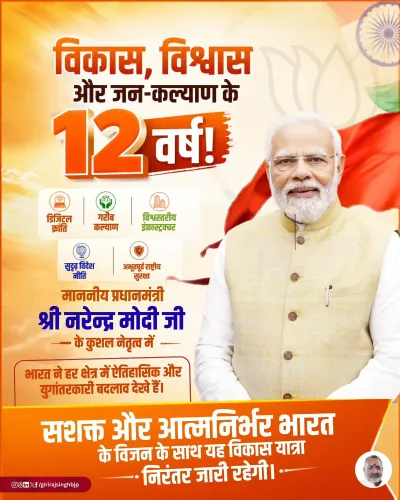
Gadkari marks 12 years of Modi govt, hails inclusive growth
Synopsis
Union Minister Nitin Gadkari marked 12 years of the Modi government on May 26, 2026, hailing transformative governance, Aatmanirbhar Bharat, digital growth, and inclusive development rooted in Antyodaya as defining achievements of PM Modi's leadership.
Key Takeaways
May 26, 2026 marks the 12th anniversary of the Narendra Modi-led government's swearing-in.
Union Minister Nitin Gadkari praised the government's record on infrastructure, digital transformation, and economic growth.
Aatmanirbhar Bharat Abhiyan , launched in May 2020 , was cited as a key pillar of self-reliance and manufacturing growth.
The Antyodaya principle — focused on the most marginalised — was highlighted as the moral foundation of the government's development model.
The slogan 'Sabka Saath, Sabka Vikas, Sabka Vishwas' was described as both the intent and execution of twelve years of governance.
Policy focus going forward includes pending national highway projects and Union Budget deliberations.
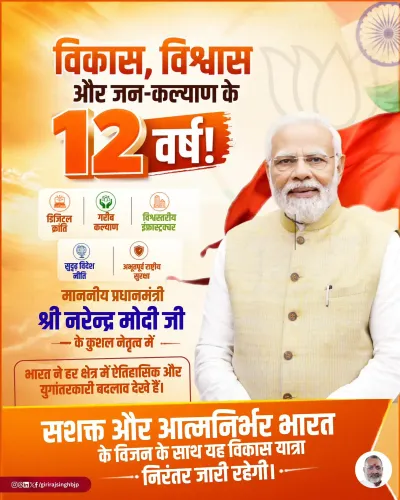
Union Road Transport and Highways Minister Nitin Gadkari on Tuesday, May 26, 2026, marked the 12th anniversary of the Narendra Modi-led government, calling the day 'a defining moment that reshaped India's destiny' and crediting the Prime Minister's leadership with a fundamental transformation of governance since 2014.
Context
The Modi government was sworn in on May 26, 2014, following a decisive Lok Sabha election victory for the Bharatiya Janata Party. The date has since been observed annually by party leaders and Union Ministers as a milestone in India's political and developmental trajectory. Gadkari's post, tagged #12YearsOfModiGovernment, is part of a broader commemorative wave across the ruling party's leadership.
In his post, Gadkari wrote that governance had been 'marked by clarity of vision, decisive leadership, and an unwavering commitment to national progress,' pointing to economic growth, infrastructure expansion, Aatmanirbhar Bharat, and a digital revolution as defining pillars of the past twelve years.
Policy Backdrop
The Digital India programme, launched in 2015, aimed to expand digital infrastructure and e-governance across the country, laying the groundwork for what has since grown into one of the world's largest digital public infrastructure stacks. The Aatmanirbhar Bharat Abhiyan, announced in May 2020 during the COVID-19 pandemic, sought to reduce import dependence and promote domestic manufacturing through production-linked incentive schemes and regulatory reforms.
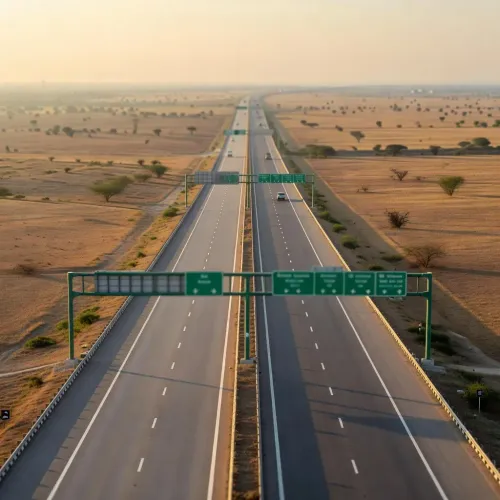
Successive National Democratic Alliance governments since 2014 have also prioritised accelerated highway construction and multimodal logistics development — areas that fall directly under Gadkari's own ministerial portfolio — alongside targeted welfare delivery mechanisms aimed at lower-income groups.
Stakeholders and Impact
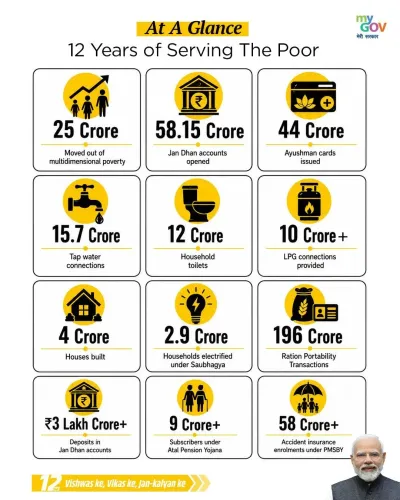
Gadkari invoked the principle of Antyodaya — a BJP ideological framework centred on the upliftment of the poorest and most marginalised — as the moral compass of the government's development agenda. He wrote that 'development has reached those long left at the margins, making them equal stakeholders in India's progress.'
The slogan 'Sabka Saath, Sabka Vikas, Sabka Vishwas' (Together with all, Development for all, Trust of all) was cited as both the intent and the execution principle of the last twelve years. Gadkari described PM Modi as a 'true Pradhan-Sevak' — a servant of the people — and offered prayers for his health and continued service to the nation.
What's Next
As the government enters its thirteenth year, attention in policy circles remains on the rollout timelines for pending national highway and multimodal logistics projects, as well as parliamentary discussions around the next Union Budget. The anniversary messaging from senior ministers like Gadkari is expected to set the political tone for the government's legislative and infrastructure agenda in the months ahead.
With India positioning itself as a global manufacturing and digital hub, the framing of the next phase of governance — whether it deepens the Aatmanirbhar Bharat push or pivots to new priorities — will be closely watched by industry, investors, and citizens alike.
Point of View
He threads together the BJP's welfare and economic-nationalism narratives into a single coherent arc. The emphasis on 'inclusivity' and the 'margins' is notable coming from a minister whose own portfolio — highways and logistics — is central to the government's infrastructure-led growth story. Such anniversary messaging from senior Cabinet members typically precedes a fresh push on policy deliverables, signalling that the government intends to use the milestone to renew public and parliamentary momentum.
NationPress
22 Sept 2026
Frequently Asked Questions
When did the Modi government complete 12 years in power?
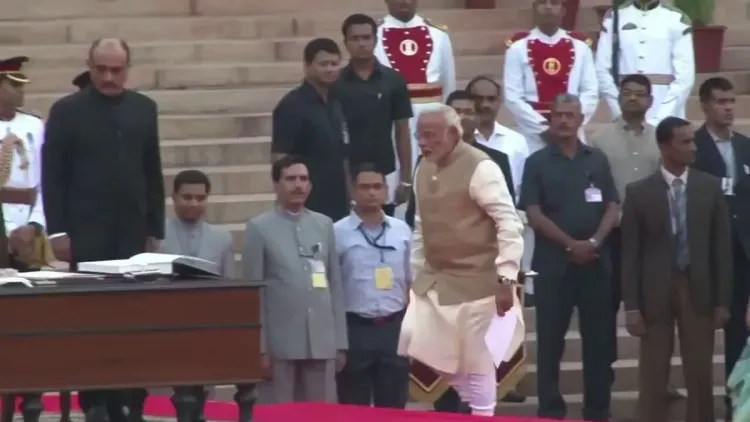
The Modi-led government completed 12 years in power on May 26, 2026 , marking the anniversary of the swearing-in ceremony that took place on May 26, 2014 .
What is Aatmanirbhar Bharat and when was it launched?
Aatmanirbhar Bharat Abhiyan is a self-reliance campaign launched by the Modi government in May 2020 during the COVID-19 pandemic, aimed at reducing import dependence and boosting domestic manufacturing through production-linked incentives.
What does Antyodaya mean in the context of BJP governance?
Antyodaya refers to an ideological principle within BJP's framework that prioritises the upliftment of the poorest and most marginalised sections of society, ensuring that development benefits reach those at the very bottom of the economic ladder.
What did Nitin Gadkari say about PM Modi on the 12th anniversary?
Nitin Gadkari described PM Modi as a 'true Pradhan-Sevak' and credited his leadership with a fundamental transformation of governance, citing inclusive growth, digital revolution, and Aatmanirbhar Bharat as key achievements.
What is the meaning of 'Sabka Saath, Sabka Vikas, Sabka Vishwas'?
The slogan 'Sabka Saath, Sabka Vikas, Sabka Vishwas' translates to 'Together with all, Development for all, Trust of all' and has been the guiding motto of the Modi government's inclusive development agenda since 2014.