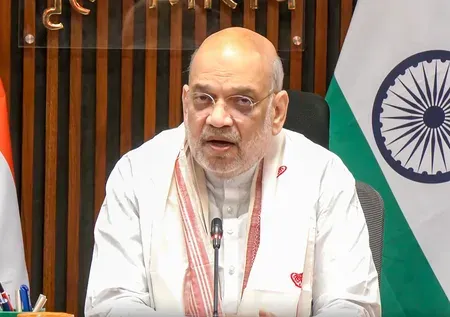
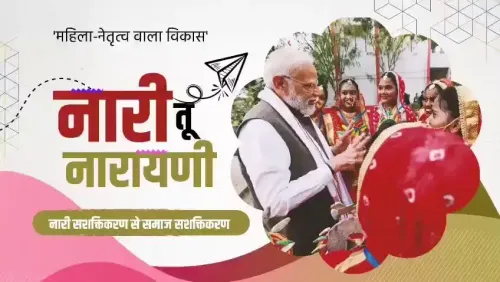
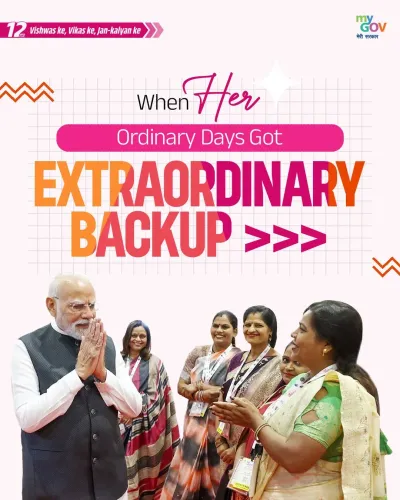
Amit Shah highlights Modi govt's women-led development record
Synopsis
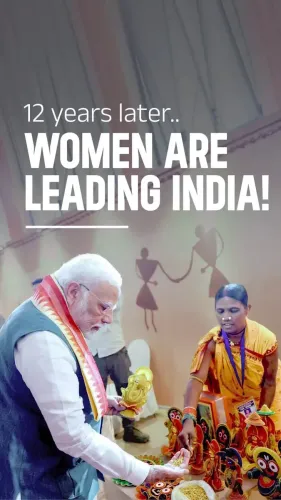
Union Home Minister Amit Shah on June 12, 2026 marked 12 years of the Modi government's women-centric programmes, citing Ujjwala, Mudra, Lakhpati Didi and the 2023 constitutional reservation law as pillars of a women-led development model.
Key Takeaways
Pradhan Mantri Ujjwala Yojana has delivered more than 10 crore LPG connections to below-poverty-line households, per the government's claim.
More than 12 crore toilets have been constructed for women's safety and dignity under the Swachh Bharat mission.
70 per cent of collateral-free Mudra Yojana loans have reportedly gone to women borrowers, supporting self-employment.
The Nari Shakti Vandan Adhiniyam (128th Constitutional Amendment, September 2023) reserves 33 per cent of parliamentary and assembly seats for women.
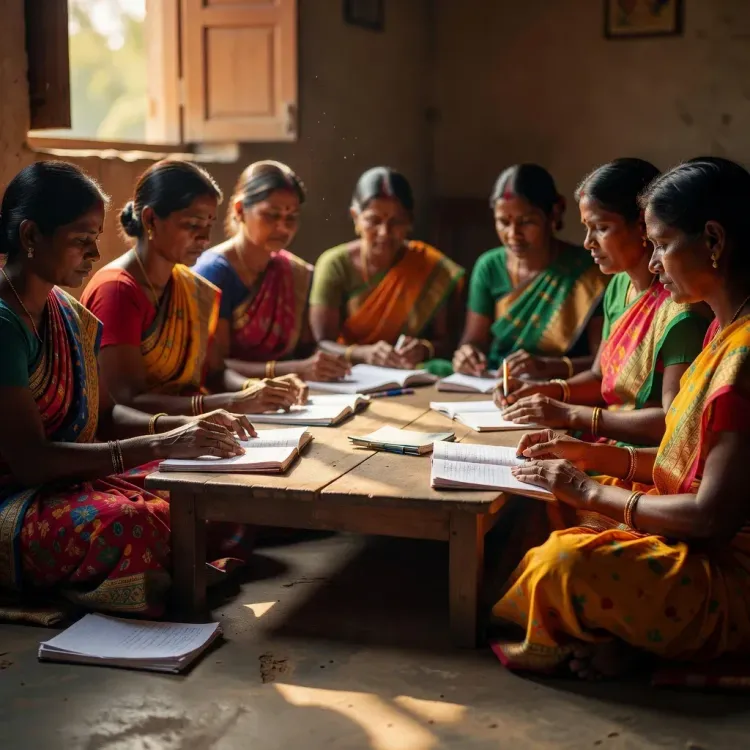
Lakhpati Didi and Karorepati Didi initiatives through self-help groups target financial independence for rural women.
The #12YearsOfNariShakti campaign positions women-led development as a central plank of the BJP's governance narrative ahead of the next election cycle.
Union Home Minister Amit Shah on Friday, June 12, 2026, invoked the hashtag #12YearsOfNariShakti to outline what he described as the Modi government's comprehensive model of women-led development, citing flagship schemes spanning sanitation, credit, political reservation and grassroots entrepreneurship.
Context
Shah's post, written in Hindi, declared: 'Modi sarkar ka Women-led development model nari shakti ke samman, suraksha aur sashaktikaran ka naya adhyay likh raha hai' — 'The Modi government's women-led development model is writing a new chapter of honour, security and empowerment for women's power.' The message was framed around the twelve-year milestone of governance initiatives targeting women across economic, sanitary and political spheres.
The post catalogued several central programmes by name and number, positioning them as a unified policy arc rather than isolated interventions. The #12YearsOfNariShakti hashtag signals a coordinated anniversary communication campaign by the ruling Bharatiya Janata Party.
Policy Backdrop
Beti Bachao, Beti Padhao, launched nationally in January 2015, was the first flagship under this umbrella, aimed at reversing a declining child sex ratio and improving girls' enrolment in schools. It was followed by Pradhan Mantri Ujjwala Yojana, which Shah cited as having delivered more than 10 crore LPG connections to below-poverty-line households, reducing dependence on biomass fuel.
On sanitation, the post referenced more than 12 crore toilets built for women's dignity and safety. Under Pradhan Mantri Mudra Yojana, Shah stated that 70 per cent of collateral-free micro-loans went to women borrowers, linking credit access to self-employment. The Lakhpati Didi and Karorepati Didi initiatives, operating through self-help groups under the DAY-NRLM framework, aim to lift women's annual household incomes to at least one lakh rupees and beyond.
The most structurally significant measure cited is the Nari Shakti Vandan Adhiniyam — the 128th Constitutional Amendment passed in September 2023 — which reserves 33 per cent of seats for women in the Lok Sabha and state legislative assemblies. The legislation ended a nearly three-decade legislative effort, with the bill first having been introduced in 1996.
Stakeholders and Impact
The programmes span multiple ministries and target distinct but overlapping groups: rural women in self-help groups, female micro-entrepreneurs seeking working capital, households without clean cooking fuel, and first-generation female voters and political aspirants. Shah's post noted that women are now in leadership roles across the armed forces, space, sports, research and industry.
Women's self-help group members, rural female borrowers and prospective women legislators stand to be most directly affected by implementation timelines — particularly the operationalisation of the women's reservation act, which is contingent on delimitation and fresh Election Commission notifications whose schedule remains unconfirmed.
What's Next
The government's stated scaling targets under DAY-NRLM for Lakhpati Didi households remain active benchmarks. The more consequential near-term question is when the Nari Shakti Vandan Adhiniyam will translate into actual reserved constituencies — a process tied to the next delimitation exercise. Until that notification is issued, the 33 per cent reservation exists in law but not yet on the ballot. The anniversary communication suggests the BJP intends to keep women-centric governance at the centre of its political narrative heading into the next electoral cycle.
Point of View
Giving the BJP a standing promise it can renew at each campaign. The Lakhpati Didi framing, borrowed from the DAY-NRLM architecture, reflects a broader shift from welfare optics to economic agency narratives. Taken together, the communication underscores that gender policy in India has become both a genuine programmatic priority and a highly managed electoral asset.
NationPress
24 Sept 2026
Frequently Asked Questions
What is the Nari Shakti Vandan Adhiniyam?
The Nari Shakti Vandan Adhiniyam is the 128th Constitutional Amendment, passed in September 2023, that reserves 33 per cent of seats for women in the Lok Sabha and state legislative assemblies. Its implementation is linked to a future delimitation exercise, which has not yet been notified.
What is Lakhpati Didi?
Lakhpati Didi is a government initiative under the DAY-NRLM framework that aims to help women in self-help groups achieve annual household incomes of at least one lakh rupees through skill training, credit access and enterprise support.
How many LPG connections has Ujjwala Yojana provided?
The Modi government claims Pradhan Mantri Ujjwala Yojana has provided more than 10 crore LPG connections to below-poverty-line households since the scheme's launch, reducing dependence on solid biomass fuel for cooking.
What percentage of Mudra Yojana loans go to women?
According to Union Home Minister Amit Shah's post, 70 per cent of collateral-free loans disbursed under the Pradhan Mantri Mudra Yojana have gone to women borrowers, supporting self-employment and micro-enterprise.
When was Beti Bachao Beti Padhao launched?
Beti Bachao Beti Padhao was launched nationally in January 2015 to address the declining child sex ratio and promote girls' education, and is one of the earliest schemes under the Modi government's women-centric policy framework.