Piyush Goyal Hails Advani's Century, Shares Modi's Tribute
Synopsis
Union Minister Piyush Goyal shared PM Modi's written tribute to former Deputy Prime Minister and Bharat Ratna awardee LK Advani as he entered his 100th year on 8 November 2026, marking a century of a life intertwined with modern India's political history.
Key Takeaways
LK Advani entered his 100th year on 8 November 2026 , marking a historic personal milestone.
Prime Minister Narendra Modi penned a public tribute describing Advani's impact across multiple chapters of modern India.
Union Minister Piyush Goyal amplified the tribute on X, calling it 'a century for Bharat Ratna Advani ji.' Advani was conferred the Bharat Ratna — India's highest civilian honour — in 2024 .
Advani's career spans the Jan Sangh era, the Ram Janmabhoomi movement, and his tenure as Deputy Prime Minister in the first NDA government.
The tribute reflects the BJP's ongoing practice of publicly honouring the milestones of its foundational leaders.
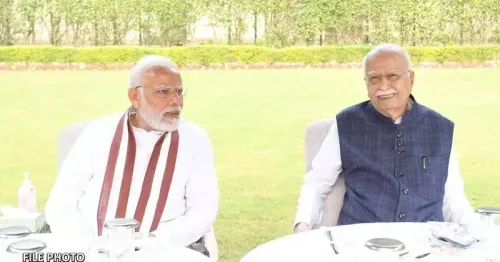
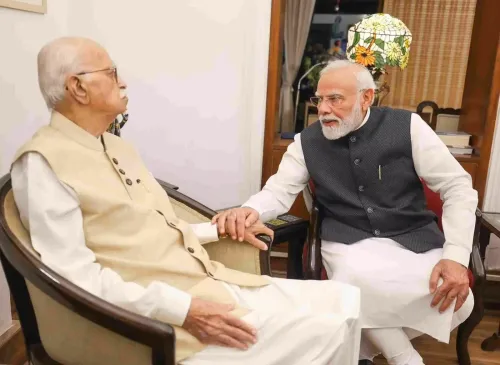
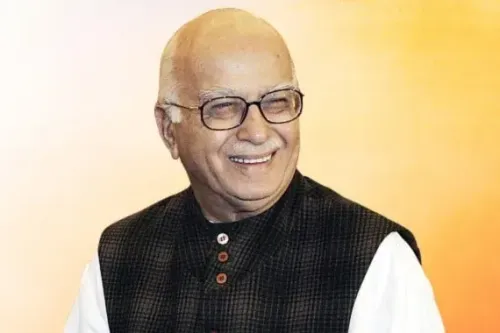
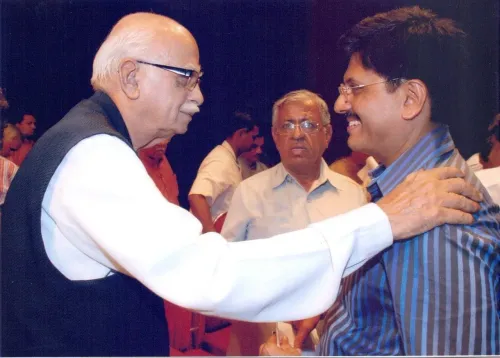
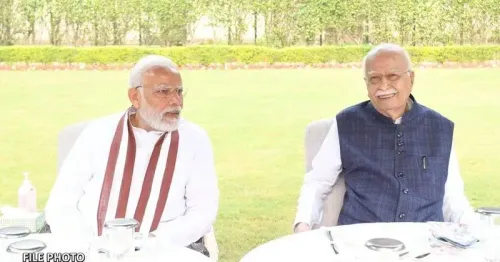
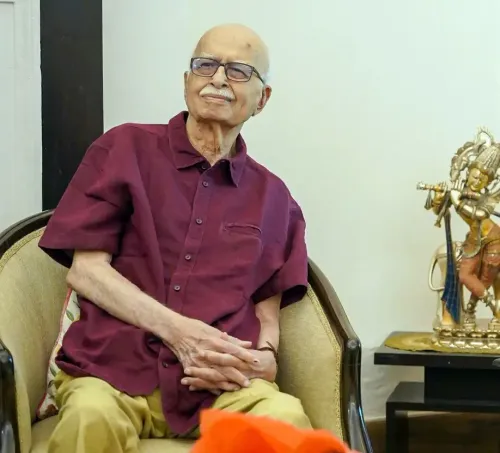
A hundred years of life — and each decade of it woven into the fabric of modern India's political story. Union Commerce and Industry Minister Piyush Goyal marked the occasion on Sunday, 8 November 2026, as Bharat Ratna awardee and former Deputy Prime Minister Lal Krishna Advani entered his 100th year, sharing a tribute penned by Prime Minister Narendra Modi that described a leader who has 'touched so many different chapters of modern India.'
A Life That Spanned India's Political Epochs
Lal Krishna Advani's journey begins in the pre-independence era and runs through the founding years of the Bharatiya Jana Sangh, the Emergency, the rise of the BJP, the Ram Janmabhoomi movement, and the formation of the first NDA government in the late 1990s. He served as Deputy Prime Minister and Home Minister under Prime Minister Atal Bihari Vajpayee, making him one of the last surviving architects of that era's national politics.
India's highest civilian honour, the Bharat Ratna, was conferred on Advani in 2024 — a recognition that cut across partisan lines and acknowledged the breadth of his contributions to public life over more than seven decades of active service.
Modi's Tribute and the BJP's Continuity Narrative
Prime Minister Modi's written tribute, amplified by Goyal on X, is consistent with the BJP's deliberate practice of publicly marking the milestones of its foundational figures. For the party's current leadership, paying homage to Advani serves a dual purpose: honouring a genuine giant of Indian politics and reinforcing the ideological and organisational lineage that connects the Jana Sangh era to the present dispensation.
Goyal, as Leader of the House in the Rajya Sabha and a senior cabinet minister, occupies a prominent place in that chain — making his amplification of the tribute a signal of institutional continuity, not merely a personal gesture.
What the Centennial Year May Bring
With Advani now entering his 100th year, observers of Indian political history will watch for further official commemorations, possible references in upcoming parliamentary sessions, and whether the occasion prompts a broader reflection on the NDA's foundational decades. For now, the message from the government's senior ranks is unambiguous — the century belongs to a figure they regard as indispensable to the story of post-independence India.
One hundred years in, the chapter is still being written.
Point of View
Senior ministers like Goyal reinforce the BJP's narrative that its current dominance is rooted in the decades-long groundwork laid by figures like Advani. The Bharat Ratna in 2024 and now the centenary tribute together form a deliberate effort to cement Advani's place in the party's official hagiography, even as a younger generation of leaders commands the front ranks. How the party publicly handles this continuity — honouring the past without being defined by its internal rivalries — will remain a subtle but telling measure of its institutional maturity.
NationPress
8 Nov 2026
Frequently Asked Questions
How old is LK Advani in 2026?
LK Advani entered his 100th year on 8 November 2026 , making him one of the oldest living major figures in Indian political history.
When did LK Advani receive the Bharat Ratna?
LK Advani was awarded the Bharat Ratna , India's highest civilian honour, in 2024 .
What was LK Advani's role in the NDA government?
LK Advani served as Deputy Prime Minister and Home Minister in the first NDA government led by Prime Minister Atal Bihari Vajpayee in the late 1990s and early 2000s.
Why did Piyush Goyal post about LK Advani?
Piyush Goyal , Union Commerce and Industry Minister and a senior BJP leader, shared PM Modi's tribute to mark Advani's entry into his 100th year on 8 November 2026 .
What is LK Advani known for in Indian politics?
LK Advani is known for his central role in the Ram Janmabhoomi movement , building the BJP from a small party into a national force, and serving as Deputy Prime Minister — a career spanning over seven decades of active public life.