CM Dhami Says BJP Took Bold Decisions Congress Always Avoided
Synopsis
Uttarakhand CM Pushkar Singh Dhami posted on X on 9 November 2026, asserting his BJP government made bold, far-sighted decisions to protect the state's cultural heritage and demographic balance — choices he said the Congress government always avoided.
Key Takeaways
Pushkar Singh Dhami posted on 9 November 2026 claiming his government took 'bold and far-sighted' decisions on cultural heritage, traditions, and demographic balance.
The post directly attacks the Indian National Congress , accusing it of perpetually avoiding these decisions during its tenures in Uttarakhand .
The Uniform Civil Code , passed by the Uttarakhand assembly in February 2024 , is the most concrete legislative marker underpinning this claim — the first state-level UCC adoption in post-independence India.
Uttarakhand's Himalayan geography, religious significance, and demographic sensitivities have long made personal law and land-rights legislation politically charged in the state.
The post signals possible pre-session political positioning, with implementation of UCC rules the key development to watch in the next assembly session.
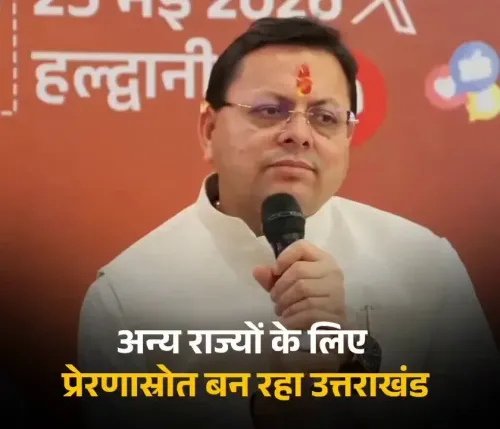
Where earlier governments looked away, Uttarakhand Chief Minister Pushkar Singh Dhami says his administration stepped in — making the hard choices on culture, tradition, and demographic balance that the state had long been waiting for. On Monday, 9 November 2026, Dhami posted a pointed assertion on X, drawing a direct contrast between the BJP government's legislative record and the Congress administrations that preceded it in Uttarakhand.
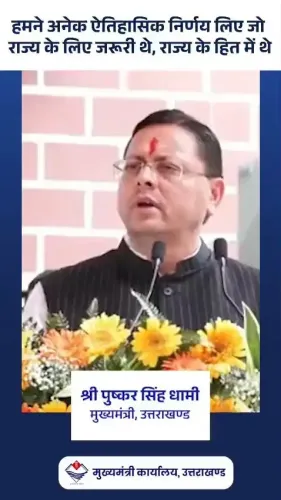
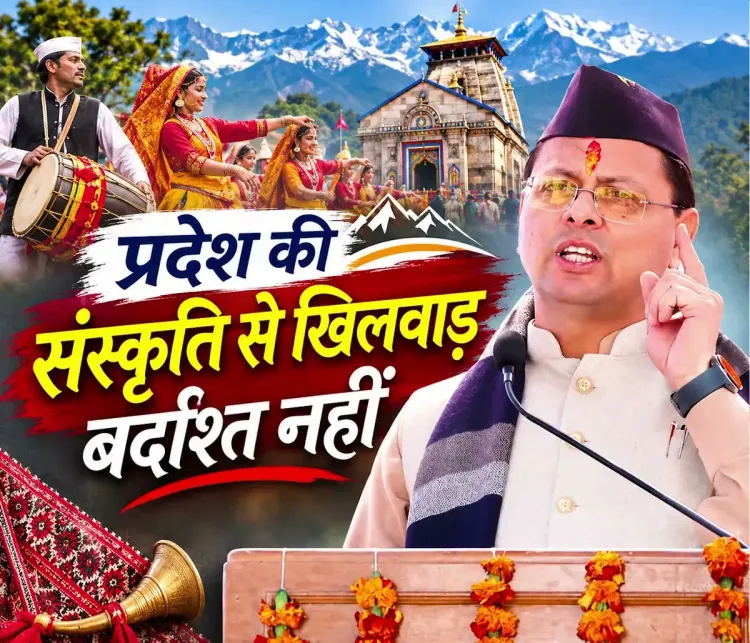
Posting in Hindi, Dhami wrote: 'हमने प्रदेश की सांस्कृतिक विरासत, परंपराओं और जनसांख्यिकीय संतुलन को संरक्षित रखने के लिए ऐसे साहसिक एवं दूरदर्शी निर्णय लिए, जिनसे कांग्रेस की सरकार हमेशा बचती थी।' — 'We took bold and far-sighted decisions to protect the state's cultural heritage, traditions, and demographic balance — decisions the Congress government always avoided.'The Uniform Civil Code: Dhami's Landmark Bet
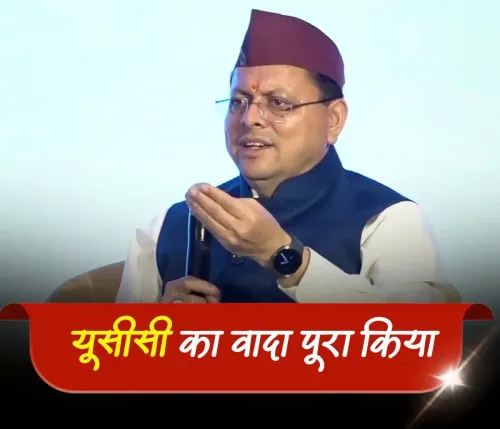
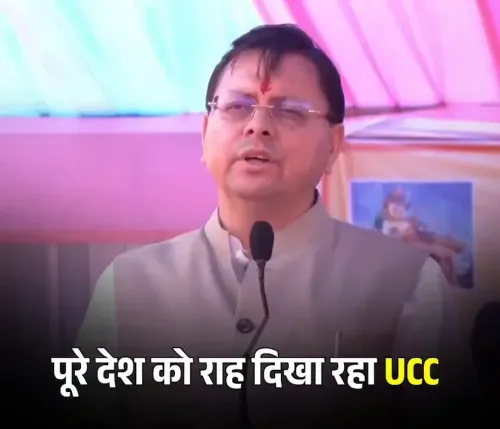
The sharpest legislative marker behind this claim is the Uniform Civil Code (UCC), passed by the Uttarakhand assembly in February 2024 — a first-of-its-kind adoption by any Indian state since independence. The UCC seeks to standardise personal laws governing marriage, divorce, inheritance, and adoption across all religious communities, replacing the patchwork of faith-based legal codes that had governed such matters for decades.
Dhami has consistently projected the UCC as a fulfilment of the BJP's long-standing ideological commitment — one that Congress, despite holding power in Uttarakhand for significant stretches, never moved toward. The post on 9 November reactivates that contrast with fresh intent, suggesting either an upcoming assembly session or a renewed political campaign around the law's implementation.
The Congress Comparison — and What It Signals
Uttarakhand occupies a distinctive political space: a Himalayan state with deep Hindu religious significance, a sizable tribal and hill community identity, and demographic sensitivities that have made questions of land rights, religious conversion, and personal law politically charged for years. BJP state governments across India have framed legislative action on these issues as 'cultural protection' — and the Congress, critics of that framing argue, governed with deliberate restraint on the same terrain.
Dhami's post is classic contrast politics: not just 'we did X' but 'we did what they refused to do.' It frames boldness itself as the differentiator, turning inaction into the opposition's defining political liability. For the Indian National Congress, which governed Uttarakhand before the BJP's consolidation, the implicit charge is avoidance — an accusation the party has pushed back against by questioning the UCC's constitutional scope and its impact on tribal communities.
What Comes Next for the UCC in Uttarakhand
Passing the UCC bill was the first act. The harder, more consequential one is implementation — drafting rules, constituting the registration authority, and handling the anticipated legal challenges. Watchers of Uttarakhand politics will be tracking whether the next assembly session brings subordinate legislation or further bills in the same legislative direction Dhami outlined in the post.
If the November post signals a pre-session political repositioning, the coming weeks in Dehradun could bring fresh legislative action — or at minimum, a renewed public campaign built around the UCC's rollout, testing whether bold decisions translate into ground-level change.
Point of View
With Congress's inaction as the foil. The UCC's passage in Uttarakhand represents a significant ideological milestone for the BJP's long-running personal law agenda, and Dhami's willingness to invoke it repeatedly suggests he sees it as an electorally durable differentiator rather than a one-cycle gain. At the national level, Uttarakhand functions as a laboratory for BJP-governed cultural legislation, and each time Dhami amplifies this narrative, it feeds into a broader template other BJP state governments may reference. The Congress, for its part, faces the persistent challenge of articulating why restraint on these issues was principled governance rather than political timidity.
NationPress
9 Nov 2026
Frequently Asked Questions
What decisions is Uttarakhand CM Dhami referring to in his post?
Dhami's post points to decisions taken by his BJP government to protect Uttarakhand's cultural heritage, traditions, and demographic balance — most prominently the passage of the Uniform Civil Code in February 2024 , the first state-level UCC adoption in India since independence.
What is the Uniform Civil Code passed by Uttarakhand?
The Uniform Civil Code (UCC) passed by the Uttarakhand assembly in February 2024 creates a standardised legal framework for personal matters such as marriage, divorce, inheritance, and adoption, replacing separate faith-based legal codes for different religious communities.
What is Dhami saying about the Congress government in Uttarakhand?
Dhami directly accuses the Indian National Congress of always avoiding bold decisions on cultural heritage and demographic balance during its tenures governing Uttarakhand, contrasting that avoidance with his government's legislative record.
Is the Uttarakhand UCC implemented yet?
The Uniform Civil Code bill was passed in February 2024 . Full implementation — including rules, registration authorities, and operational machinery — is the next critical stage that is being watched ahead of upcoming assembly sessions.
Why is Uttarakhand significant for cultural and demographic legislation?
Uttarakhand is a Himalayan state with deep Hindu religious significance, distinct hill and tribal community identities, and long-standing sensitivities around land rights, conversions, and personal law — making it a politically charged arena for legislation on cultural and demographic issues.