Kerala power crisis: CM Satheesan orders probe into ex-KSEB chief's warning
Synopsis
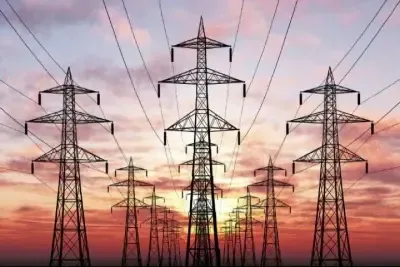
Kerala's power purchase controversy has taken a sharp new turn: CM Satheesan is now probing why the sacked KSEB chief sounded an urgent power-crisis alarm — even as the new KSEB chairman says the state needs no outside electricity for two months. The contradiction goes to the heart of whether the controversial 500 MW GNA deal was driven by genuine need or a flawed assessment.
Key Takeaways
Satheesan has ordered an examination of former KSEB Chairman M.G.
Rajamanickam's warning about an impending power crisis.
New KSEB Chairman N.
Prasanth told Satheesan on Monday that Kerala will not need to purchase electricity from outside for the next two months .
The government has decided against any fresh short-term power purchase through the Green Energy Open Access (GNA) platform for now.
Rajamanickam was removed as KSEB Chairman at the peak of the controversy over a proposed 500 MW GNA purchase earlier this month.
Opposition leader Pinarayi Vijayan accused the government of creating an artificial power crisis; BJP MLA V.
Muraleedharan raised concerns over lack of transparent tender procedures.
The proposed GNA deal lacked prior approval from the State Electricity Regulatory Commission , adding to transparency concerns.
Kerala Chief Minister V.D. Satheesan has ordered an examination of a warning issued by former Kerala State Electricity Board (KSEB) Chairman M.G. Rajamanickam about an impending power crisis — even as the new KSEB leadership has told him the state will not need to purchase electricity from outside for the next two months. The development marks a significant new turn in the controversy surrounding a proposed 500 MW power purchase through the Green Energy Open Access (GNA) platform.
What the New KSEB Leadership Said
Incumbent KSEB Chairman N. Prasanth and his team briefed Chief Minister Satheesan at a meeting on Monday, conveying that no immediate power shortage is expected. Based on this updated assessment, the government has decided against entering into any fresh short-term power purchase agreement through the GNA platform for the time being.
Why the Former Chairman's Warning Is Under Scrutiny
Satheesan has directed officials to examine the circumstances under which Rajamanickam had warned that power cuts would become unavoidable unless an immediate purchase agreement was finalised. The Chief Minister reportedly wants to understand what prompted the urgency and whether there was sufficient justification for pressing for an immediate power purchase. He has also questioned why the state was under pressure to buy electricity from Himachal Pradesh if no immediate shortage existed.
Rajamanickam was shifted out as KSEB Chairman when the controversy over the proposed 500 MW GNA purchase was at its peak earlier this month.
The Political Battle Over the Power Purchase
The proposed GNA purchase had already triggered a sharp political confrontation between the ruling United Democratic Front (UDF) government and the opposition. Leader of Opposition Pinarayi Vijayan had accused the government of manufacturing an artificial power crisis to justify the GNA arrangement — a charge Satheesan rejected, insisting the state faced a genuine shortage.
Bharatiya Janata Party (BJP) MLA V. Muraleedharan also questioned the decision on Monday, demanding to know why power was being purchased through a private platform without transparent tender procedures and why the government had not pursued a direct agreement with Himachal Pradesh.
Key Concerns Over Transparency
The proposed GNA deal had drawn criticism on two grounds: the absence of transparent tender procedures and the lack of prior approval from the State Electricity Regulatory Commission. With the new KSEB leadership now ruling out the need for outside power for the next two months, the government faces mounting questions over the basis of the earlier urgency and the circumstances surrounding the proposed deal.
What Happens Next
Officials are expected to submit findings from the examination of Rajamanickam's warning to the Chief Minister. The outcome could either vindicate the earlier urgency or deepen questions about the decision-making process around the GNA arrangement, with both the opposition and BJP already pressing for accountability.
Point of View
Is then removed at the height of the controversy, and his successor promptly tells the government there is no need for outside power for two months. If the new assessment is accurate, it raises serious questions about whether the urgency behind the GNA deal was grounded in credible data or external pressure. The absence of regulatory approval and transparent tendering makes this more than a technical energy-management dispute — it is a governance accountability question. The political class has focused on the opposition angle, but the more important thread is what the internal KSEB assessments actually said, and who directed the urgency.
NationPress
9 Nov 2026
Frequently Asked Questions
Why is Kerala CM Satheesan probing the former KSEB chairman's warning?
CM Satheesan ordered the examination because the new KSEB chairman has said Kerala will not need to purchase outside electricity for two months, directly contradicting the urgency that former chairman M.G. Rajamanickam had conveyed. Satheesan wants to determine whether there was sufficient justification for pressing for an immediate power purchase through the GNA platform.
What was the proposed 500 MW GNA power purchase about?
The proposal involved purchasing 500 MW of electricity through the Green Energy Open Access platform, reportedly including a deal with Himachal Pradesh. It drew criticism for bypassing transparent tender procedures and lacking prior approval from the State Electricity Regulatory Commission.
Why was KSEB Chairman M.G. Rajamanickam removed?
Rajamanickam was shifted out as KSEB Chairman when controversy over the proposed 500 MW GNA power purchase was at its peak earlier in November 2026. His removal coincided with public and political scrutiny of the urgency behind the purchase.
What has the opposition said about the power purchase controversy?
Leader of Opposition Pinarayi Vijayan accused the government of creating an artificial power crisis to justify the GNA arrangement. BJP MLA V. Muraleedharan separately questioned the decision to purchase power through a private platform without transparent tendering and asked why a direct agreement with Himachal Pradesh was not pursued.
What happens next in the Kerala power purchase controversy?
Officials are expected to submit findings from the examination of the former KSEB chairman's warning to CM Satheesan. The outcome could either justify the earlier urgency or further deepen accountability questions around the GNA deal's decision-making process.