Kerala power crisis: Satheesan govt secures NTPC deal for 300 MW, 2,000 MWh storage
Synopsis
Facing unprecedented power cuts and Opposition fire, Kerala CM Satheesan flew to New Delhi to lock in a 300 MW supply from NTPC's Sinnar plant, a landmark 2,000 MWh battery storage project at Kayamkulam, and a potential dedicated power plant for the state — the most ambitious energy push by a Kerala government in recent memory.
Key Takeaways
Satheesan met NTPC authorities in New Delhi on Wednesday, 7 October 2026 to address the state's power crisis.
A 2,000 MWh Battery Energy Storage System is proposed at Kayamkulam in partnership with KSEB , NTPC , and NTPC Green Energy Ltd , with an MoU expected to be signed.
Two additional BESS projects totalling 160 MWh are to be commissioned at Pothencode and Sreekandapuram by March 2027 .
Kerala will receive up to 300 MW from NTPC's Sinnar plant in Maharashtra at ₹5.18 per unit .
NTPC has been asked to consider a dedicated power plant for Kerala and has expressed willingness to sign a PPA from its Ramagundam plant .
The CPI(M) -led Opposition has accused the four-month-old UDF government of poor power management amid the ongoing crisis.
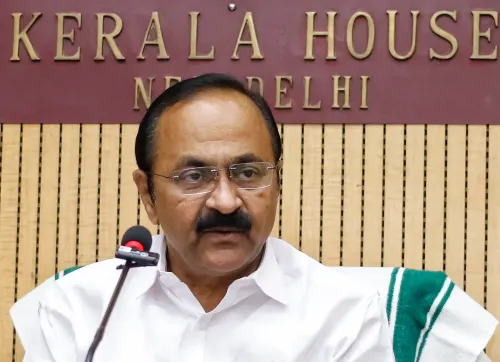
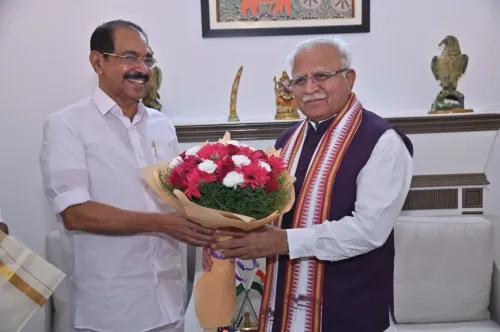
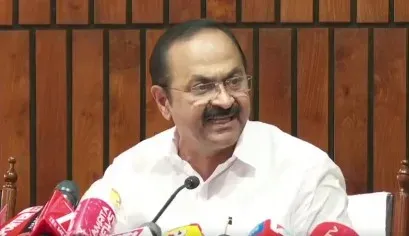
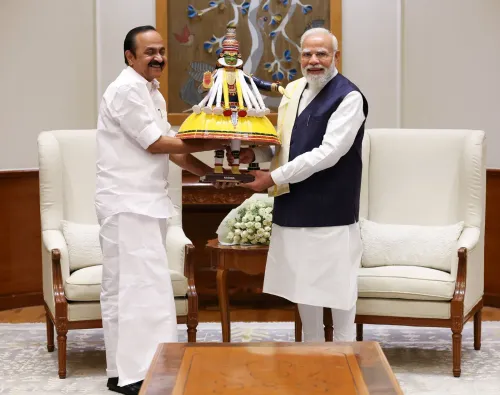
Chief Minister V.D. Satheesan on Wednesday held high-level discussions with NTPC authorities in New Delhi, moving to secure additional power supply and long-term energy solutions for Kerala as the state grapples with unprecedented electricity cuts. The four-month-old United Democratic Front (UDF) government is under mounting political pressure, with the Communist Party of India (Marxist)-led Opposition accusing it of failing to manage the deepening power crisis.
Key Deals Struck with NTPC
The most significant proposal emerging from Wednesday's talks is the establishment of a 2,000 MWh Battery Energy Storage System (BESS) at Kayamkulam, to be developed in partnership with KSEB, NTPC, and NTPC Green Energy Ltd. The three agencies are expected to sign a memorandum of understanding to implement the project.
Two additional BESS projects — each with a capacity of 80 MWh, totalling 160 MWh — are scheduled to be commissioned at Pothencode and Sreekandapuram by March 2027.
Kerala will also gain access to up to 300 MW of power from NTPC's Sinnar project in Maharashtra, priced at ₹5.18 per unit, according to decisions reached during the discussions.
Renewable Energy and Dedicated Plant Proposals
The government has also sought to accelerate NTPC's 27 MW solar power project at Kayamkulam, with the state assuring full cooperation to expedite implementation. In a longer-term move, NTPC has been asked to consider setting up a dedicated power plant exclusively for Kerala to address the state's future electricity requirements.
Separately, NTPC has expressed willingness to sign a Power Purchase Agreement (PPA) to supply electricity from its Ramagundam power plant. This comes as a significant addition to Kerala's procurement pipeline, offering the state a relatively stable baseload supply option.
KSEB Capacity Strengthening
Beyond power procurement, the discussions also covered reinforcing Kerala State Electricity Board (KSEB)'s management and technical capabilities. NTPC will provide professional and technical expertise to the state utility, including support for modern power-management systems — a structural intervention aimed at improving grid efficiency alongside supply augmentation.
The Political Context
The power shortage has emerged as a defining political challenge for the Satheesan government, which took office roughly four months ago. Kerala has been experiencing persistent power restrictions amid a widening gap between demand and available supply. The CPI(M)-led Opposition has seized on the crisis, arguing that consumers are being made to bear the consequences of what it describes as poor power management by the UDF administration.
The government, however, is seeking to frame the NTPC initiatives as a comprehensive strategy addressing both the immediate crunch and Kerala's medium-to-long-term energy security — combining additional procurement, renewables, and large-scale storage. Whether these deals translate into relief on the ground in time to defuse the political heat remains the key question ahead.
Point of View
000 MWh storage project, a 300 MW procurement deal, and the prospect of a dedicated plant — signals that the Satheesan government recognises this is not a crisis it can manage with routine procurement orders. Yet the irony is hard to miss: Kerala's renewable energy potential, among the highest in peninsular India, has been chronically underleveraged, and the state now finds itself buying baseload power from a coal plant in Telangana. The battery storage commitments are structurally sound but deliver no relief before 2027. The political clock runs faster than the project timeline, and the CPI(M) knows it.
NationPress
7 Oct 2026
Frequently Asked Questions
Why is Kerala facing a power crisis in 2026?
Kerala is experiencing a widening gap between electricity demand and available supply, leading to power restrictions and cuts across the state. The four-month-old UDF government has come under criticism for its handling of the shortage, with the CPI(M)-led Opposition accusing it of poor power management.
What did CM Satheesan agree with NTPC in New Delhi?
Chief Minister V.D. Satheesan secured commitments for up to 300 MW of power from NTPC's Sinnar plant in Maharashtra at ₹5.18 per unit, a 2,000 MWh Battery Energy Storage System at Kayamkulam with KSEB and NTPC Green Energy Ltd, and two smaller BESS projects at Pothencode and Sreekandapuram totalling 160 MWh by March 2027.
When will the new BESS projects in Kerala be ready?
Two BESS projects of 80 MWh each at Pothencode and Sreekandapuram are scheduled to be commissioned by March 2027. The larger 2,000 MWh Kayamkulam project timeline is subject to the signing of a memorandum of understanding between KSEB, NTPC, and NTPC Green Energy Ltd.
What is the proposed dedicated power plant for Kerala?
NTPC has been asked to consider setting up a dedicated power plant exclusively to meet Kerala's long-term electricity requirements. NTPC has also separately expressed willingness to sign a Power Purchase Agreement to supply power from its existing Ramagundam plant in Telangana.
How is the Opposition responding to the Kerala power crisis?
The CPI(M)-led Opposition has used the power cuts to mount a political attack on the UDF government, arguing that consumers are bearing the brunt of what it calls poor power management. The crisis has become a major political challenge for the Satheesan government since it took office approximately four months ago.