Kerala Power Crisis: LoP Satheesan Alleges Corruption, Minister Denies Load Shedding
Synopsis
Kerala's power crisis has exploded into a political storm: Opposition leader Satheesan alleges corruption behind the scrapping of a 465 MW power deal, costing KSEB up to Rs 20 crore daily, while the Electricity Minister denies load shedding even as residents report nightly outages. A CM-level review is now underway.
Key Takeaways
Leader of the Opposition V.
Satheesan alleged on April 25, 2025 that corruption drove the LDF government 's decision to scrap a long-term power purchase deal.
The cancelled agreement had secured 465 MW of electricity at an average cost of Rs 4.29 per unit , negotiated during former CM Oommen Chandy 's tenure.
KSEB is now forced to buy power at Rs 6–12 per unit , causing estimated daily losses of Rs 15–20 crore to the public utility.
Electricity Minister K.
Krishnankutty denied load shedding, saying only natural grid regulation is occurring as consumption crossed 6,195 MW .
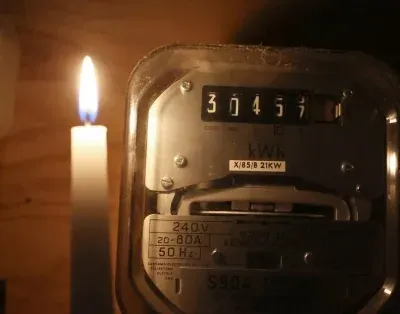
Residents across Kerala are reporting frequent short-duration outages, especially at night, despite the government's denial.
A high-level meeting chaired by Chief Minister Pinarayi Vijayan has been scheduled to review the power crisis and assess remedial measures.
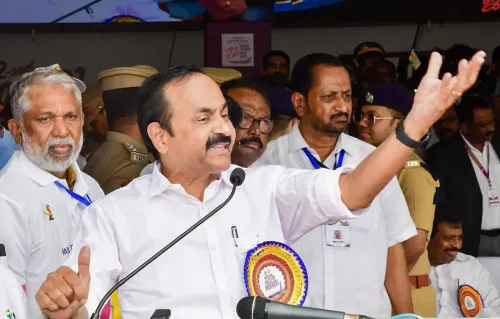
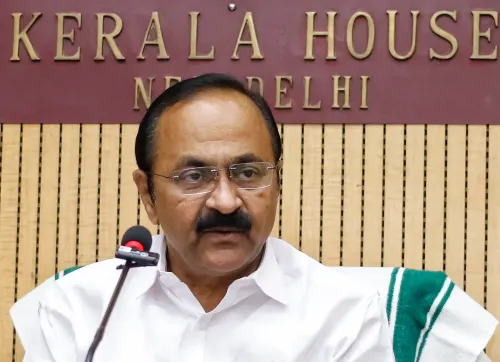
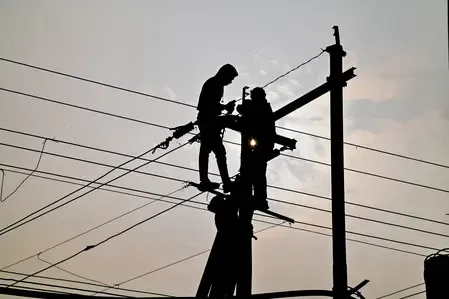
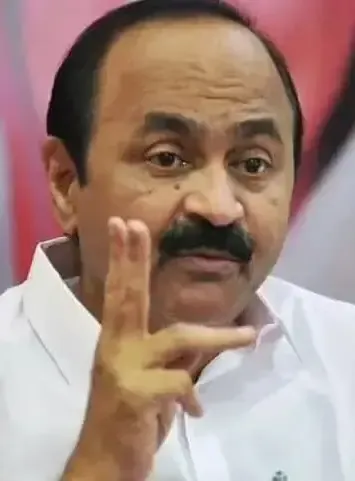
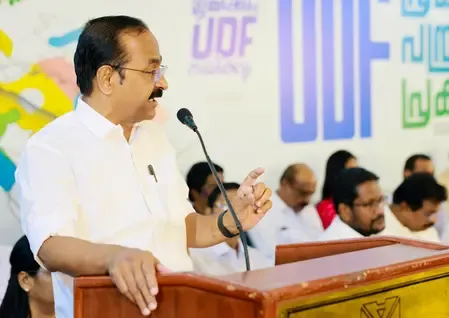
Thiruvananthapuram, April 25: Kerala's worsening power crisis has triggered a sharp political confrontation, with Leader of the Opposition V. D. Satheesan alleging on Saturday that the state government's decision to scrap long-term electricity purchase agreements was driven by corruption, resulting in unannounced load shedding that is battering residents during peak summer heat. Electricity Minister K. Krishnankutty rejected the charge, insisting that only natural grid regulation — not deliberate load shedding — is being carried out.
Satheesan's Corruption Allegation and UDF Warning
Satheesan alleged that the LDF government arbitrarily cancelled a long-term power procurement deal finalised during the tenure of former Chief Minister Oommen Chandy, which had secured 465 MW of electricity at an average rate of Rs 4.29 per unit. The cancellation, he argued, has forced the Kerala State Electricity Board (KSEB) to purchase power at Rs 6 to Rs 12 per unit on the open market, inflicting daily financial losses of Rs 15 to Rs 20 crore on the state utility.
The Opposition leader demanded an independent probe into the cancellation, alleging that private power companies were the prime beneficiaries of the government's decision. He warned that the United Democratic Front (UDF) would launch strong protests if power restrictions are not immediately lifted.
Calling the outages a direct challenge to the people amid scorching temperatures, Satheesan also questioned the LDF's flagship claim of delivering ten uninterrupted years without power cuts under Chief Minister Pinarayi Vijayan, calling it hollow in the face of the current crisis.
Minister Krishnankutty's Rebuttal
Electricity Minister K. Krishnankutty firmly denied that Kerala is experiencing unannounced load shedding, stating that what is being carried out is only routine grid balancing during overload conditions. He disclosed that power consumption in the state has surged past 6,195 MW, necessitating the purchase of costlier electricity to meet demand.
The Minister said the government is actively working to prevent a tariff hike and appealed to consumers to exercise restraint in electricity usage during peak hours. He dismissed Opposition criticism of the LDF's no-power-cut record, framing the current strain as part of a nationwide trend driven by extreme summer heat.
In a pointed remark, Krishnankutty said the Opposition should direct its questions to nature itself, attributing the demand surge to the unprecedented heatwave. He expressed confidence that the situation would normalise within two days.
Ground Reality: Complaints Rise Across Kerala
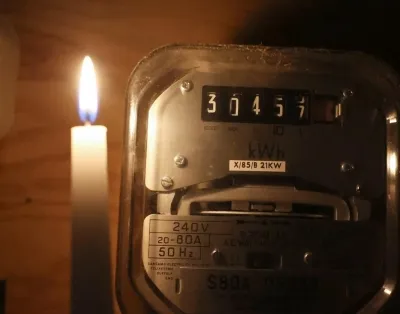
Despite the government's denial, residents across Kerala are reporting frequent short-duration outages, particularly during night hours when cooling demand peaks. Complaints have been flooding in from multiple districts, indicating a gap between the official position and the on-ground experience of consumers.
The surge in electricity consumption is consistent with a broader pattern seen across India during the April–May summer peak, when air-conditioner and cooling appliance usage spikes sharply. KSEB, already strained by the cancellation of long-term contracts, is reportedly struggling to balance the grid without resorting to rolling cuts.
High-Level Review and Political Stakes
A high-level meeting convened by Chief Minister Pinarayi Vijayan is scheduled to review the power situation, signalling that the administration is treating the crisis with urgency. The meeting is expected to assess short-term procurement options and demand-side management measures.
The political stakes are significant. The LDF government has long positioned its uninterrupted power supply record as a flagship governance achievement. Any sustained acknowledgement of load shedding would directly undermine that narrative, particularly with local body elections and state political cycles in view.
Notably, the controversy over scrapped long-term power agreements echoes past debates in Kerala about energy policy transparency. Critics have previously argued that short-term open-market power purchases, while flexible, expose the state to price volatility and fiscal risk — precisely the scenario Satheesan is now highlighting.
What Comes Next
With peak summer demand expected to persist through May 2025, the pressure on KSEB and the state government will only intensify. If the Chief Minister's review meeting fails to produce immediate relief, the UDF's threatened protests could escalate into a wider political flashpoint. The Opposition's demand for a probe into the cancelled power deal also raises the possibility of legislative scrutiny and public audits of KSEB's procurement decisions in the weeks ahead.
Point of View
The daily loss of Rs 15–20 crore to a public utility is a fiscal scandal that transcends partisan politics. The real question is whether Kerala's institutions have the independence to investigate it.
NationPress
19 Sept 2026
Frequently Asked Questions
What is the Kerala power crisis about in April 2025?
Kerala is facing a severe power supply crunch during peak summer 2025, with electricity consumption surpassing 6,195 MW. The Opposition alleges that the cancellation of a long-term 465 MW power deal has forced KSEB to buy costlier power, causing unannounced load shedding.
What did V. D. Satheesan allege about the Kerala power crisis?
Leader of the Opposition V. D. Satheesan alleged that the LDF government scrapped a long-term power purchase agreement of 465 MW at Rs 4.29 per unit due to corruption, benefiting private companies. He said this forced KSEB to buy power at Rs 6–12 per unit, causing daily losses of Rs 15–20 crore.
Did Kerala's Electricity Minister admit to load shedding?
No. Electricity Minister K. Krishnankutty denied that unannounced load shedding is occurring, stating only natural grid regulation is being carried out during overload. He attributed the demand surge to extreme summer heat and said the situation would resolve within two days.
How does the cancelled power deal affect Kerala consumers?
The cancellation of the long-term power agreement has forced KSEB to purchase electricity at significantly higher open-market rates, increasing financial strain on the utility. This raises the risk of future tariff hikes if the government cannot absorb the cost difference.
What action is the Kerala government taking on the power crisis?
Chief Minister Pinarayi Vijayan has convened a high-level meeting to review the power situation and explore short-term solutions. The government has also urged consumers to reduce electricity usage during peak hours to help stabilise the grid.