CSIS labels Khalistani elements a violent extremist threat in latest report
Synopsis
Canada's spy agency CSIS has publicly named Khalistani elements as a violent extremist threat for the first time in its latest report, while also flagging aggressive foreign interference by China, Russia, Iran, and Pakistan. The report calls for stronger tools and resources to disrupt these networks — and warns the window to act is narrowing.
Key Takeaways
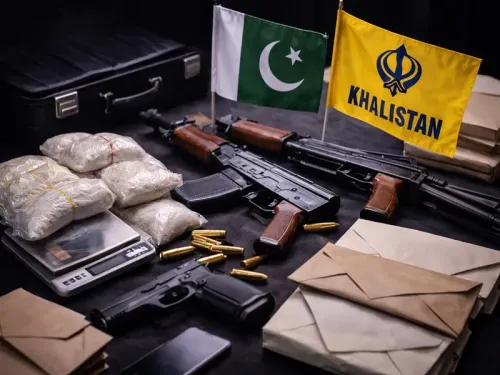
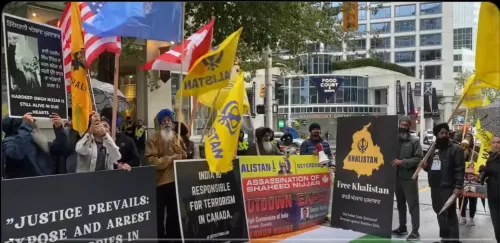
CSIS has identified Canada-based Khalistani extremists (CBKEs) as a violent extremist threat in its latest public report.
CBKEs are reportedly exploiting community institutions to raise funds for violent activities, though no attacks occurred on Canadian soil last year.
China, Russia, Iran, and Pakistan are named as the primary foreign interference actors targeting Canadian politics and institutions.
China is accused of recruiting Canadians with classified access via cover companies; Iran allegedly plans transnational repression including abductions and killings on Canadian soil.
The report calls on Parliament to empower CSIS with stronger tools, including screening of foreign funding to community organisations and aggressive prosecution of transnational repression.
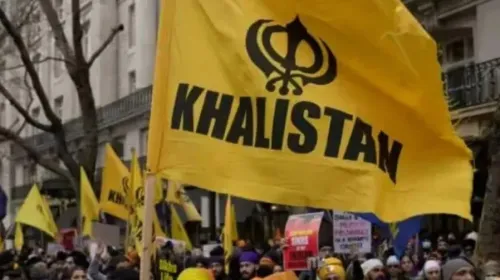
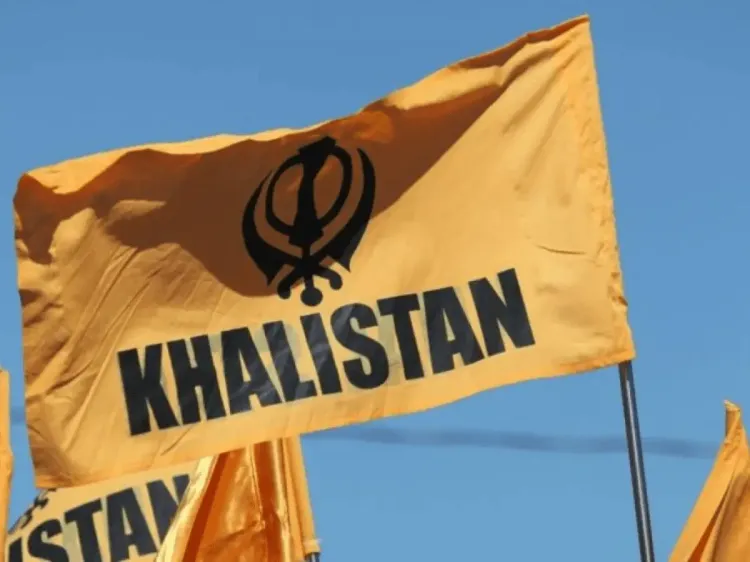
Canada's Canadian Security Intelligence Service (CSIS) has formally identified Khalistani elements as a violent extremist threat in its latest public report, warning that a small but determined group of Canada-based Khalistani extremists (CBKEs) continue to use Canadian soil to promote, fundraise, and plan violence, according to a report by Khalsa Vox.
Key Findings on Khalistani Extremism
According to the CSIS report, CBKEs — often linked to Canadian nationals — are reportedly exploiting community institutions to channel funds toward violent activities abroad. The agency noted that no such attacks took place on Canadian soil last year; however, it cautioned that ongoing involvement in politically motivated violent extremism poses a direct national security threat to Canada and its interests. The warning marks one of the most explicit public acknowledgements by Canadian intelligence of the Khalistani threat within its borders.
Foreign Interference: A Broader Pattern
The CSIS report also flagged that foreign interference in Canadian politics remains aggressive and sophisticated. The agency identified China, Russia, Iran, and Pakistan as the main perpetrators, each employing distinct tactics designed to undermine democratic institutions and erode public trust.
China's intelligence services have reportedly shifted methods, posting job advertisements through cover companies on major online platforms to recruit individuals with access to proprietary or classified information — specifically targeting those facing financial difficulties or career pressures to build long-term espionage networks. Russian actors, according to the report, are exploiting social divisions through disinformation campaigns amplified by proxies, artificial intelligence, and social media, with the stated aim of weakening Canada's international alliances and domestic cohesion.
Iran is accused of engaging in transnational repression — including plans to harass, abduct, or kill perceived opponents on Canadian soil. Pakistan, reportedly operating through proxies, is said to maintain covert relationships with politicians, journalists, academics, and community leaders to manipulate media narratives and silence dissent within diaspora communities.
What the Report Demands
The Khalsa Vox report, citing the CSIS findings, argued that
Point of View
Partly due to domestic political sensitivities around the Sikh diaspora. That this warning now sits alongside China, Russia, Iran, and Pakistan in a public intelligence document signals a shift in tone. The harder question is whether Parliament will translate this alarm into enforceable policy, or whether the report joins a growing stack of unacted intelligence warnings. India has long pressed Ottawa on this issue; the CSIS findings, if acted upon, could recalibrate a bilateral relationship strained by the Nijjar affair.
NationPress
19 Sept 2026
Frequently Asked Questions
What has CSIS said about Khalistani extremists in Canada?
CSIS has identified Canada-based Khalistani extremists (CBKEs) as a violent extremist threat in its latest public report. The agency says this group uses Canada as a base to promote, fundraise, and plan violence, exploiting community institutions, though no attacks on Canadian soil were recorded last year.
Which countries are named in the CSIS foreign interference report?
The CSIS report names China, Russia, Iran, and Pakistan as the primary perpetrators of foreign interference in Canada. Each country is accused of using distinct tactics — from espionage recruitment and disinformation to transnational repression and proxy manipulation of media narratives.
What is transnational repression and how does it apply to Canada?
Transnational repression refers to efforts by foreign governments to harass, silence, or harm dissidents living abroad. According to the CSIS report, Iran has allegedly made plans to harass, abduct, or kill perceived opponents on Canadian soil.
What actions is CSIS recommending to counter these threats?
The report, as cited by Khalsa Vox, calls on Parliament to empower CSIS and security agencies with stronger tools, including screening of foreign funding to community organisations, aggressive prosecution of transnational repression, and greater public transparency about interference attempts.
Why does this CSIS report matter for India-Canada relations?
India has long raised concerns with Ottawa about Khalistani extremist activity on Canadian soil. The CSIS report's formal designation of CBKEs as a violent extremist threat could provide a basis for closer counterterrorism cooperation, though bilateral ties remain strained following the 2023 Nijjar affair.