UN expert demands release of detained journalists in Afghanistan on World Press Freedom Day
Synopsis
On World Press Freedom Day, the UN's top Afghanistan rights expert called for the release of at least 4 detained journalists — even as RSF data shows Afghanistan's security indicator for press freedom has worsened in 2026. With 43% of media houses shuttered since 2021 and 8 in 10 women journalists no longer working, the numbers paint a picture far grimmer than the marginal score improvement suggests.
Key Takeaways
UN Special Rapporteur Richard Bennett called for the immediate release of at least 4 detained journalists and media workers in Afghanistan on World Press Freedom Day .
Afghanistan ranked 175th out of 180 nations in the 2026 RSF World Press Freedom Index , with its overall score rising marginally from 17.88 to 19.51 .
The security indicator worsened, with Afghanistan falling from 175th to 177th between 2025 and 2026.
43% of Afghan media houses closed within three months of the Taliban takeover on 15 August 2021 ; over two-thirds of the country's 12,000 journalists have left the field.
8 out of 10 female journalists in Afghanistan are no longer working, according to RSF .
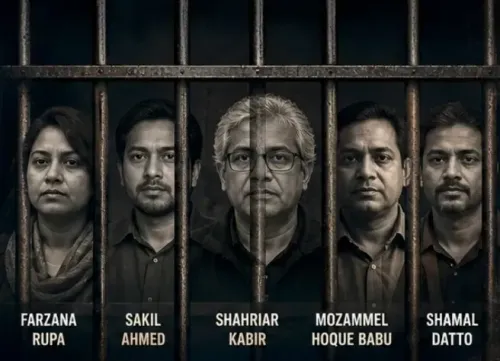
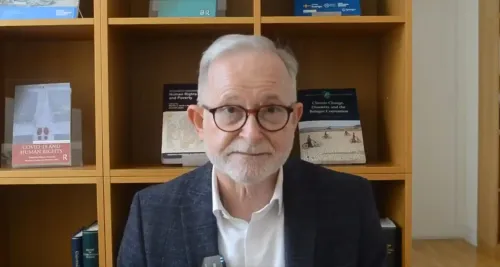
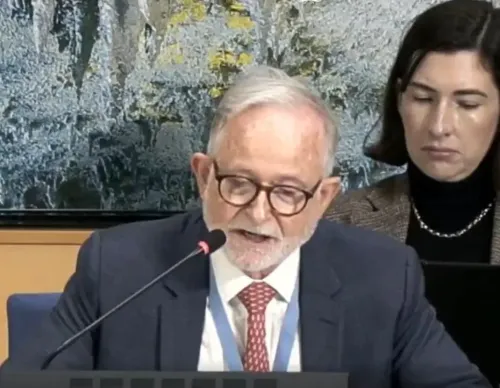
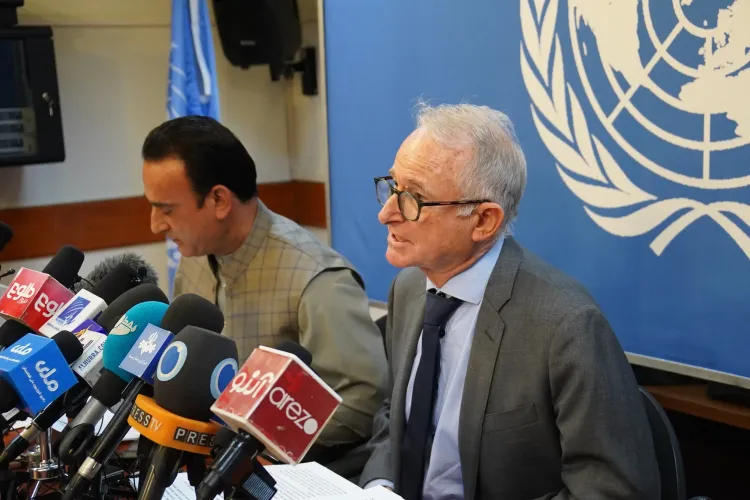
UN Special Rapporteur on the situation of human rights in Afghanistan Richard Bennett has demanded the immediate and unconditional release of detained journalists in Afghanistan, calling on the Taliban to allow journalists to work freely without fear of arrest, threats, or harassment. The statement was issued on World Press Freedom Day, with Bennett noting that at least 4 journalists and media workers remain detained in the country.
Bennett's Call to Action
In a post on X (formerly Twitter), Bennett stated: "At least 4 journalists and media workers continue to be detained in Afghanistan. I call for their release and the release of all other people arbitrarily detained in Afghanistan. No time is better than today for this, as 3 June is World Press Freedom Day."
He stressed that press freedom has worsened significantly since the Taliban seized power in Afghanistan, with independent reporting increasingly restricted under a hostile environment, according to Afghanistan's leading news agency Khaama Press. Ordinary reporting, he said, can now lead to reprisals — particularly on issues related to women's rights and governance.
Female Journalists Face Compounded Barriers
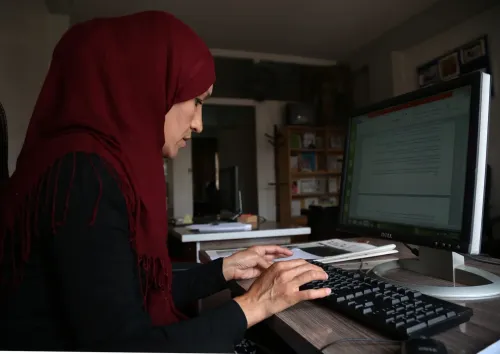
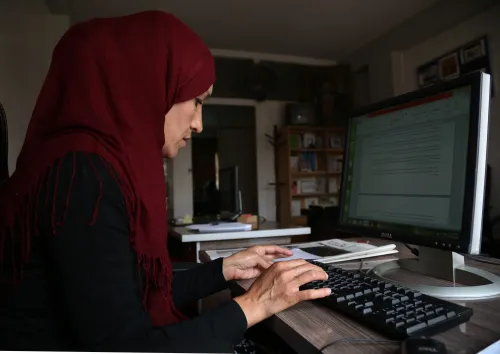
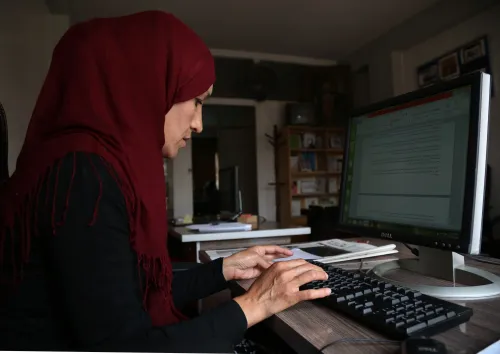
Bennett specifically highlighted the situation of female journalists in Afghanistan, who face mobility restrictions, dress codes, and shrinking professional opportunities. According to Reporters Without Borders (RSF), 8 out of 10 women journalists in Afghanistan are no longer working. Many have left the profession entirely due to the compounded pressures they face under Taliban rule.
He further noted that people who speak to the media face intimidation, surveillance, and detention — developments that are severely affecting the flow of reliable information out of the country.
Afghanistan Ranked 175th in World Press Freedom Index 2026
Afghanistan has been ranked 175th out of 180 nations in the 2026 World Press Freedom Index, according to data from Reporters Without Borders (RSF). Afghanistan's overall score improved marginally from 17.88 in 2025 to 19.51 in 2026, indicating a slight improvement in press freedom. Despite this, the country remains among the worst-performing nations globally, according to Afghanistan-based Amu TV.
RSF evaluates press freedom across five indicators — political, economic, legislative, social, and security. The political indicator ranked Afghanistan 158th in 2026, an improvement from 163rd in 2025. The economic indicator remained unchanged at 165th in both years. The legislative indicator held steady at 178th, while the social indicator stayed at 175th. Notably, the security indicator — which evaluates risks such as violence, detention, and threats — worsened, with Afghanistan ranked 177th in 2026 compared to 175th in 2025.
The Collapse of Afghan Media Since 2021
RSF noted that the media environment was fundamentally reshaped after the Taliban seized power on 15 August 2021. The agency stated: "The takeover sounded the death knell for press freedom," adding that media organisations are now compelled to broadcast government-controlled information in an environment "devoid of pluralism and dissenting voices."
According to RSF, 43 per cent of media houses closed within just three months of the Taliban's return to power. Over two-thirds of Afghanistan's roughly 12,000 journalists have since left the field. Journalists reportedly receive editorial orders from multiple state bodies, including ministries, the intelligence service, and institutions monitoring public conduct.
What Comes Next
With Afghanistan's security indicator for press freedom worsening even as its overall score marginally improved, the structural environment for journalism remains deeply hostile. International pressure — including from UN mandate holders like Bennett — is unlikely to yield immediate results given the Taliban's track record, but advocates say consistent global attention remains one of the few levers available to protect the journalists still working inside the country.
Point of View
And the structural conditions for journalism remain as hostile as ever. What the numbers obscure is the human toll: a generation of Afghan journalists, especially women, has been effectively erased from the profession. UN statements on World Press Freedom Day carry moral weight but no enforcement mechanism; without coordinated international pressure tied to diplomatic engagement, Bennett's call risks becoming an annual ritual that the Taliban has learned to ignore.
NationPress
24 Sept 2026
Frequently Asked Questions
Why is the UN calling for the release of journalists in Afghanistan?
UN Special Rapporteur Richard Bennett issued the call on World Press Freedom Day, citing that at least 4 journalists and media workers remain arbitrarily detained in Afghanistan. He noted that press freedom has worsened significantly since the Taliban seized power in 2021, with journalists facing arrest, threats, and harassment for ordinary reporting.
How is Afghanistan ranked in the 2026 World Press Freedom Index?
Afghanistan is ranked 175th out of 180 nations in the 2026 RSF World Press Freedom Index. Its overall score improved slightly from 17.88 in 2025 to 19.51 in 2026, but the country remains among the worst-performing globally, with its security indicator worsening from 175th to 177th.
What has happened to Afghan media since the Taliban takeover in 2021?
According to RSF, 43% of Afghan media houses closed within three months of the Taliban's return to power on 15 August 2021. Over two-thirds of Afghanistan's roughly 12,000 journalists have since left the field, and 8 out of 10 female journalists are no longer working.
What specific challenges do female journalists face in Afghanistan?
Female journalists in Afghanistan face mobility restrictions, dress codes, and shrinking professional opportunities under Taliban rule. RSF data indicates that 8 out of 10 women journalists in the country are no longer working, with many having left the profession entirely.
What are the five indicators RSF uses to measure press freedom?
RSF evaluates press freedom using five indicators: political (government influence over media), economic (financial sustainability of journalism), legislative (laws affecting press freedom), social (societal pressures and discrimination), and security (risks like violence and detention). Afghanistan ranks among the bottom globally across all five indicators.