150 press freedom violations in Afghanistan in one year: AFJC report
Synopsis
A new AFJC report released on World Press Freedom Day reveals at least 150 press freedom violations in Afghanistan between May 2025 and April 2026 — including 127 threats, 20 detentions, and closure of 11 media outlets. Despite a lower total count than the previous year, the severity of Taliban-imposed restrictions has deepened, with broadcasting bans now covering 25 of 34 provinces and women journalists facing sweeping censorship.
Key Takeaways
The Afghanistan Journalists Center (AFJC) documented at least 150 press freedom violations between May 2025 and April 2026 .
Of these, 127 were threats against journalists and 20 were detentions; four journalists remain in custody.
Two employees of state-run Radio and Television of Afghanistan were killed in Pakistani airstrikes during the period.
A ban on broadcasting images of living beings now covers 25 of Afghanistan's 34 provinces , leading to closure of at least 8 local TV stations .
At least 11 media outlets were shut down and licences of 10 media support organisations were revoked.
The AFJC has urged the Taliban to release all detained journalists and called on the international community to increase political, financial, and technical support.
At least 150 violations of press freedom and journalists' rights were recorded in Afghanistan between May 2025 and April 2026, according to a report by the Afghanistan Journalists Center (AFJC), released on World Press Freedom Day on 3 May 2026. The findings, reported by Amu TV, paint a worsening picture of media freedom under Taliban rule, with censorship, detentions, and closures escalating across the country.
Key Violations Documented
Of the 150 cases recorded, 127 involved threats against journalists and media workers, while 20 involved detention. The AFJC noted that four of those arrested remain in custody as of the report's release. Separately, two employees of the state-run Radio and Television of Afghanistan were killed and another injured in Pakistani airstrikes during the reporting period.
While the total number of violations is reportedly lower than in the previous year, the AFJC stressed that the quality and severity of restrictions have deteriorated significantly — a distinction it attributes to policies implemented since the Taliban seized power in 2021.
Broadcasting Bans and Media Closures
One of the most sweeping restrictions documented is the ban on broadcasting images of living beings, which has been extended to eight additional provinces and is now enforced in 25 of Afghanistan's 34 provinces. This has directly resulted in the closure of at least eight local television stations.
At least 11 media outlets or organisations were shut down — either temporarily or permanently — for failing to comply with Taliban directives. The licences of at least 10 media support organisations were revoked during the same period.
Restrictions on Women Journalists and Content
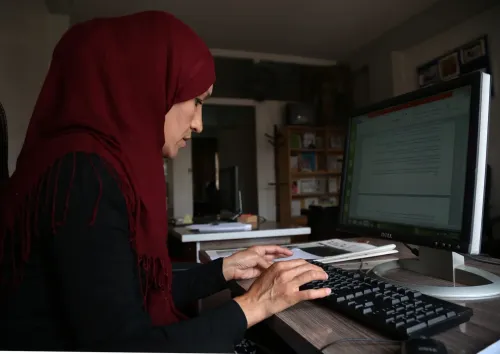
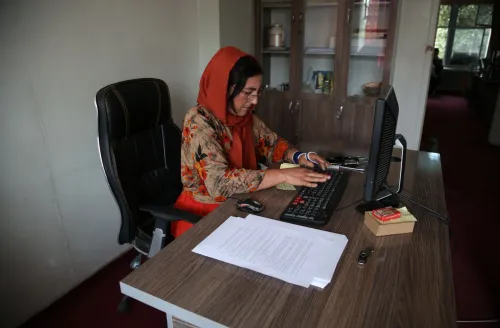
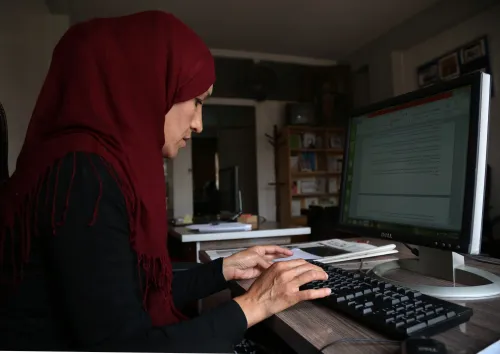
The report highlights a sharp escalation in restrictions targeting women in media. These include bans on broadcasting women's voices and instances where female reporters' voices were censored during official press conferences. In some cases, merely mentioning women's names or speaking to girls during live broadcasts led to suspension of media activities.
Media outlets also faced orders not to interview individuals who had not received prior approval from the Taliban. The group's directives reportedly fall under a broad
Point of View
Replacing formal media laws with opaque verbal directives under a 'promotion of virtue' framework, is harder to challenge legally or diplomatically. The extension of living-beings broadcast bans to 25 of 34 provinces signals systematic, not opportunistic, erasure of independent media. For the international community, financial support alone will not suffice if the operating environment continues to criminalise the basic acts of journalism — interviewing, filming, and letting women speak on air.
NationPress
19 Sept 2026
Frequently Asked Questions
How many press freedom violations occurred in Afghanistan in the past year?
According to the Afghanistan Journalists Center (AFJC), at least 150 press freedom violations were recorded between May 2025 and April 2026. These included 127 threats against journalists and 20 detentions, with four journalists still in custody.
What media restrictions has the Taliban imposed in Afghanistan?
The Taliban has banned broadcasting images of living beings across 25 of Afghanistan's 34 provinces, shut down at least 11 media outlets, revoked licences of 10 media support organisations, and issued orders restricting interviews and women's voices on air. Directives are increasingly issued verbally rather than through formal law.
Were any journalists killed in Afghanistan during this period?
Yes, two employees of the state-run Radio and Television of Afghanistan were killed and one was injured in Pakistani airstrikes during the May 2025–April 2026 reporting period, according to the AFJC report.
How are women journalists affected by Taliban restrictions?
Women journalists face bans on their voices being broadcast, with instances of female reporters being censored during official press conferences. In some cases, simply mentioning a woman's name or speaking to girls during live broadcasts led to suspension of media activities.
What has the AFJC recommended?
The AFJC has urged the Taliban to review its media policies and release all detained journalists. It has also called on the international community to increase political, financial, and technical support for journalists operating in Afghanistan.