Pakistan lead poisoning: 4 in 10 children under 3 at risk, UNICEF study
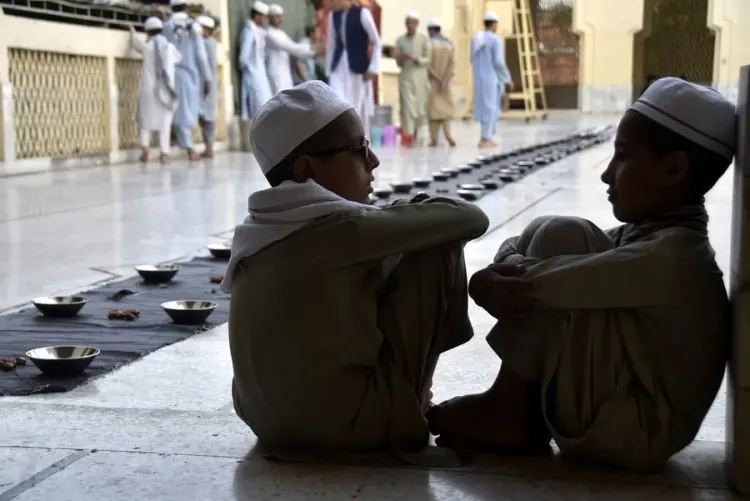
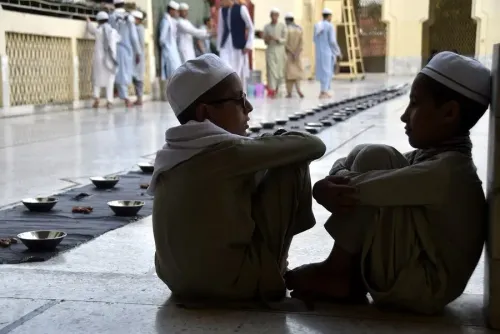
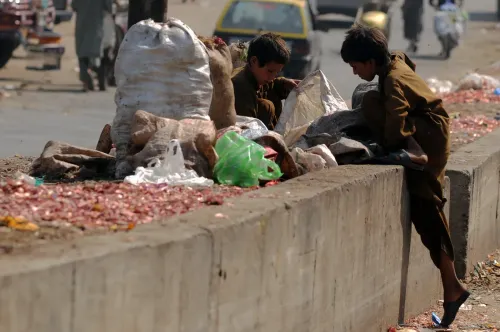
Lead has been found in the blood of four in 10 children aged 12 to 36 months living across seven high-risk areas of Pakistan, according to a new joint study by Pakistan's Ministry of National Health Services, Regulations and Coordination and UNICEF. The findings, released on 3 May 2025, raise urgent alarm over a public health crisis that researchers warn could inflict lifelong neurological and economic damage on an entire generation.
Key Findings of the Study
The study sampled 2,100 children from high-risk industrial zones in Haripur, Islamabad, Karachi, Lahore, Peshawar, Quetta, and Rawalpindi. The most severely affected area was Hattar and Haripur, where 88 per cent of children tested had dangerously elevated blood lead levels. By contrast, only one per cent of children tested in Islamabad showed high levels — a stark disparity that underlines the outsized burden falling on industrial communities.
Nationally, researchers estimate that up to eight in 10 children in Pakistan may be affected — reportedly among the highest rates globally.
Sources of Lead Exposure Identified
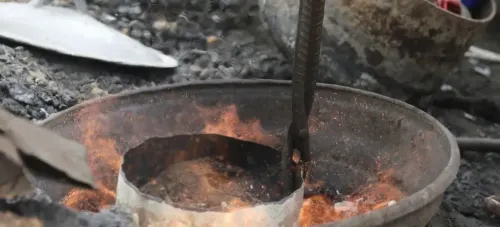
The study identified several likely sources of exposure based on global evidence, including industrial emissions, informal battery recycling, lead-based paints, contaminated food and spices, and traditional cosmetics. The concentration of affected children in industrial corridors such as Hattar points to informal recycling operations and unregulated manufacturing as primary drivers.
Notably, informal battery recycling — a largely unregulated sector in Pakistan — releases lead particulates into soil, water, and air at levels that disproportionately affect children living nearby.
Health and Developmental Consequences
UNICEF warned that lead exposure can stunt growth, cause anaemia, and weaken the immune system, while simultaneously lowering IQ, reducing attention span, and impairing memory. These effects raise the risk of learning difficulties and long-term behavioural problems.
Pernille Ironside, UNICEF Representative in Pakistan, said: