Surge in Pediatric HIV Cases Highlights Healthcare Failures in Pakistan
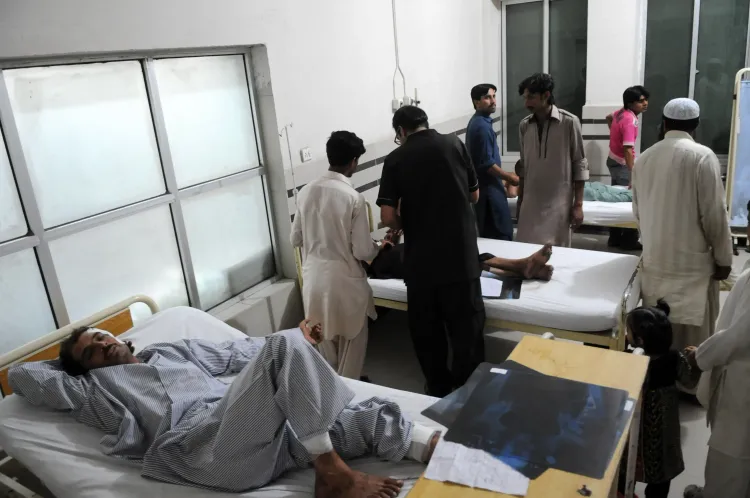
Synopsis
A troubling rise in pediatric HIV cases in Karachi points to serious healthcare failures. Unsafe practices, including the reuse of medical equipment, are fueling this alarming trend, as experts call for urgent reforms and accountability.
Key Takeaways
Significant increase in pediatric HIV cases in Karachi hospitals.
Unsafe healthcare practices cited as major causes.
Call for strict disciplinary action against medical malpractices.
Impact of USAID funding cuts on medication availability.
Pakistan's HIV epidemic is the fastest-growing in its region.
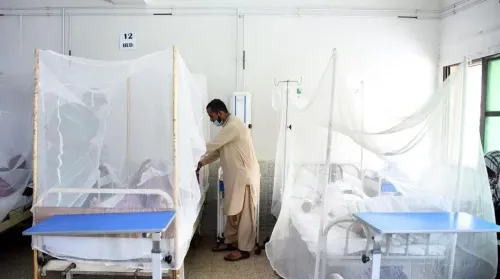
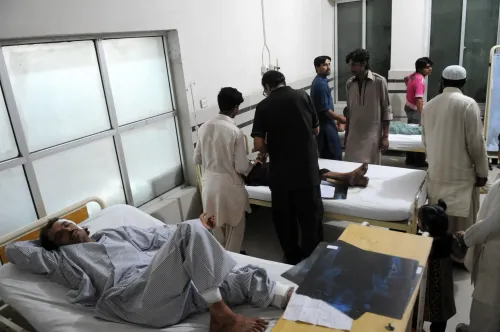
Karachi, April 18 (NationPress) A significant rise in paediatric human immunodeficiency virus (HIV) cases has been observed at three healthcare facilities in Karachi, Pakistan over the past nine months, with numbers continuing to escalate, as per a recent report.
At the Sindh Infectious Diseases Hospital and Research Centre (SIDH&RC), 10 HIV-positive children were admitted in 2024, and this figure surged to over 70 in 2025. This year alone, 30 children with a positive HIV status have been admitted, according to leading Pakistani daily, Dawn.
Similarly, the Indus Hospital reported 144 HIV-positive patients in 2024, with a further increase to 17 in 2025. Alarmingly, 69 HIV cases have been documented at this institution just in the first quarter of this year.
Dr. Samreen Sarfaraz, the Chair of Infection Control Services and a consultant in infectious diseases at the Indus Hospital, stated to Dawn, "There has been a concerning increase in paediatric cases at our facility. From August 2025 to the present, 72 children under 14 years old have been registered, with 68 percent being under five years of age."
Dr. Sarfaraz attributes this surge to unsafe healthcare practices, citing the reuse of syringes, needles, intravenous drip sets, and cannulas, along with the use of contaminated or inadequately sterilized medical instruments and the transfusion of unscreened blood as primary factors for HIV transmission in medical settings.
Additionally, she noted that for commercial reasons, many public sector doctors opt for drips and injections instead of oral medications. The suspension of funding from the USAID (United States Agency for International Development) has also contributed to shortages of antiretroviral and anti-tuberculosis medications throughout Pakistan.
The report highlights that within the World Health Organization Eastern Mediterranean Region (WHO EMRO), Pakistan has the fastest-growing HIV epidemic, as asserted by Dr. Sarfaraz.
She urged for strict disciplinary measures against widespread malpractices, such as the reuse of syringes, cannulas, drip sets, and multi-dose vials, alongside the enforcement of the National Action Plan for Injection Safety 2019.
Point of View
It is imperative to highlight the alarming increase in pediatric HIV infections in Karachi. The rise underscores significant lapses in healthcare practices that require immediate attention. Accountability and reforms are essential to ensure the safety of our children and the integrity of our healthcare system.
NationPress
19 Sept 2026
Frequently Asked Questions
What is causing the rise in pediatric HIV cases in Karachi?
The rise is primarily attributed to unsafe healthcare practices, including the reuse of syringes and contaminated medical instruments.
How many pediatric HIV cases have been reported?
Over 70 HIV-positive children were admitted to the Sindh Infectious Diseases Hospital in 2025 alone.
What measures are being called for to address this issue?
Experts are urging for strict disciplinary actions against unsafe practices and the enforcement of the National Action Plan for Injection Safety 2019.
What role does USAID funding play in this situation?
The suspension of USAID funding has led to shortages of essential antiretroviral and anti-tuberculosis medications across Pakistan.
Is Pakistan's HIV epidemic growing compared to other countries?
Yes, Pakistan has the fastest-growing HIV epidemic in the WHO Eastern Mediterranean Region.