Tripura organic wheat yield hits 3.03 MT/ha, beats conventional output
Synopsis
For the first time, Tripura has grown organic wheat — and it outyielded conventional farming by 43%. At 3.03 metric tons per hectare against a conventional average of 2.119, this is not a pilot-scale curiosity but a state-wide multi-cluster result that puts Tripura within striking distance of the national wheat yield average.
Key Takeaways
Tripura has grown organic wheat for the first time, with yields reaching 3.03 metric tons per hectare in 2025 .
Conventional wheat yield in the state averaged 2.119 MT/ha between 2018-19 and 2024-25 — organic output exceeded this by nearly 43% .
The national average for wheat yield stands at 3.5 MT/ha , and Tripura's organic output is now close to that benchmark.
Cultivation was carried out across clusters in West Tripura, Sepahijala, Khowai, and Gomati districts.
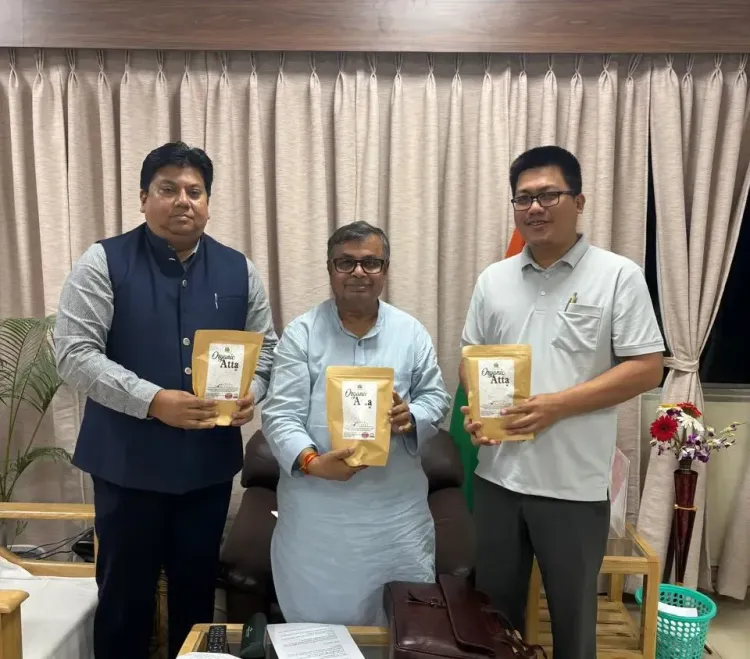
The initiative was led by TSOFDA in collaboration with organic FPOs and is expected to expand into seed production and value-added products like organic flour.
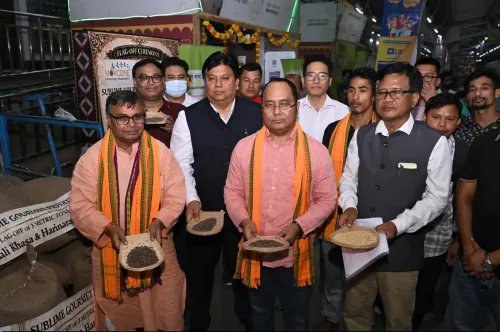
Tripura's Agriculture and Farmers' Welfare Minister Ratan Lal Nath on Sunday, 3 May 2025, announced that the state has achieved a landmark first: organic wheat cultivation has not only been successfully introduced in Tripura for the first time, but its yield has already surpassed conventional wheat output — a breakthrough that officials say could reshape the state's agricultural trajectory.
Key Achievement: Yield Numbers Tell the Story
According to data cited by Minister Nath, conventional wheat cultivation in Tripura between 2018-19 and 2024-25 averaged around 2.119 metric tons per hectare. This year's organic wheat harvest, by contrast, reached 3.03 metric tons per hectare — a substantial jump that exceeds the conventional baseline by nearly 43%. The minister noted that this figure is also close to the national average of 3.5 metric tons per hectare, underscoring what he described as the strong potential of Tripura's organic production system.
Where the Cultivation Took Place
The initiative was rolled out across multiple clusters in four districts. In West Tripura, cultivation sites included Jirania, Lefunga, Hejamara, and Mandai. Jampuijala in Sepahijala district was also part of the programme, along with Belbari, Tulashikhar, Teliamura, and Kalyanpur in Khowai district, and Ompi in Gomati district. The multi-cluster rollout was implemented under the leadership of Minister Nath with support from the Tripura State Organic Farming Development Agency (TSOFDA), in collaboration with organic Farmer Producers' Organisations (FPOs) and pioneering farmers across the state.
What Farmers and Officials Said
Minister Nath quoted farmers as expressing satisfaction with the results, with many describing the initiative as a historic beginning.
Point of View
If independently verified, are genuinely significant. A 43% yield premium over the state's own conventional baseline, in a first-year rollout, would be unusual even in controlled agronomy settings. The critical question is whether TSOFDA's multi-cluster methodology accounts for soil type variation and input cost differentials. If organic wheat can sustain this yield advantage at scale, it changes the economics of organic conversion for smallholders — but that case needs third-party validation, not just farmer satisfaction surveys.
NationPress
19 Sept 2026
Frequently Asked Questions
Has organic wheat been grown in Tripura before?
No. According to Agriculture Minister Ratan Lal Nath, this is the first time organic wheat has been successfully cultivated in Tripura. The initiative was introduced under TSOFDA in collaboration with Farmer Producers' Organisations across multiple districts.
How does Tripura's organic wheat yield compare to conventional output?
Organic wheat this year yielded 3.03 metric tons per hectare, compared to a conventional average of 2.119 MT/ha recorded in the state between 2018-19 and 2024-25 — a difference of nearly 43%. The national wheat yield average stands at 3.5 MT/ha.
Which districts were part of the organic wheat cultivation programme?
The programme covered clusters in West Tripura (Jirania, Lefunga, Hejamara, Mandai), Sepahijala (Jampuijala), Khowai (Belbari, Tulashikhar, Teliamura, Kalyanpur), and Gomati (Ompi) districts.
What is TSOFDA and what role did it play?
TSOFDA stands for the Tripura State Organic Farming Development Agency. It provided institutional support for introducing organic wheat cultivation, working alongside Farmer Producers' Organisations and individual farmers across the state.
What are the next steps for organic wheat in Tripura?
Minister Nath indicated that the state plans to expand organic wheat cultivation and move into seed production and value-addition activities such as organic flour and other health-focused food products, positioning Tripura as an emerging organic hub of Northeast India.