Pakistan child labour report: 8.6 million children at risk, 6.6 million in hazardous work
Synopsis
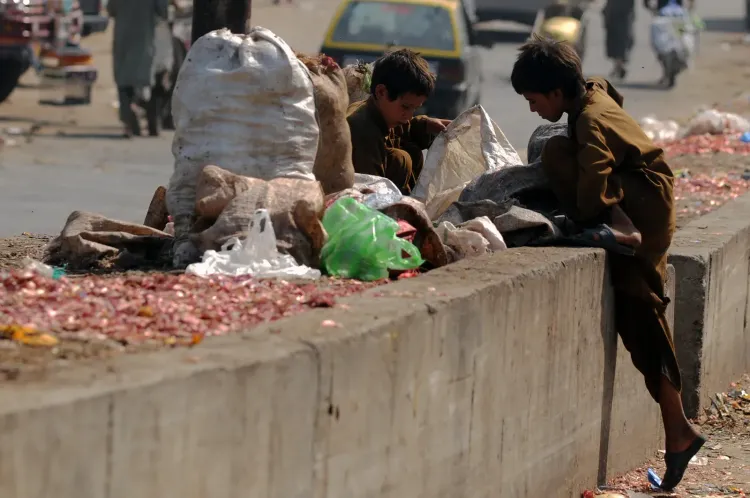
Pakistan's first nationally representative child labour survey in nearly three decades lays bare a crisis hiding in plain sight — 8.6 million child labourers, over 6.6 million in hazardous conditions, and 26.2 million children out of school. The data makes clear this is not a marginal problem but a structural emergency, with Punjab alone accounting for six million cases.
Key Takeaways
8.6 million children are engaged in child labour across Pakistan , according to the NCHR-UNICEF report launched in June 2026 .
More than 6.6 million of these children are involved in hazardous labour that threatens their health and safety.
Punjab has the highest count at over 6 million , followed by Sindh at 1.6 million .
Between 32% and 58% of working children reported work-related injuries or illness; up to one-third showed symptoms of depression.
Poverty and low parental education are the primary drivers; boys are significantly more at risk than girls.
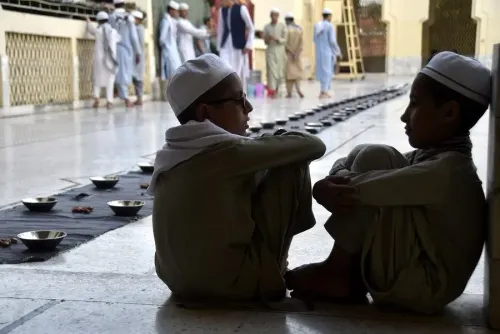
Pakistan's Education Ministry has disclosed that 26.2 million children are currently out of school.
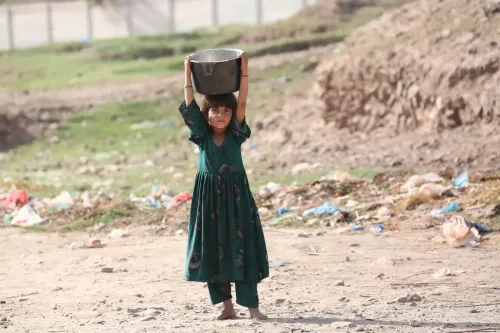
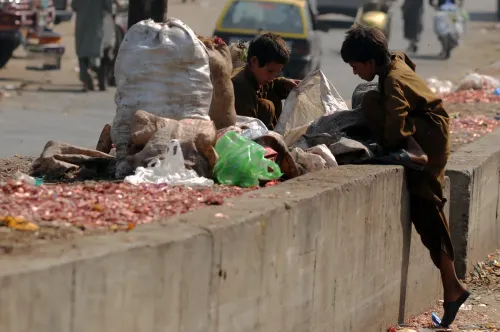
A landmark national report has revealed that 8.6 million children are engaged in child labour across Pakistan, with more than 6.6 million of them involved in hazardous work that directly threatens their health, safety, and long-term futures. The report, titled 'Pakistan: Child Labour Surveys, Evidence for Action', was jointly launched by the National Commission for Human Rights (NCHR) and the United Nations Children's Fund (UNICEF), and is the first nationally representative child labour dataset compiled in nearly 30 years.
Scale and Regional Distribution
Punjab recorded the highest concentration of child labourers, with more than six million children engaged in labour in the province alone. Sindh followed with 1.6 million, while Khyber Pakhtunkhwa reported 745,155 cases. Balochistan accounted for 201,352 children, and the Islamabad Capital Territory recorded 15,180. The data underscores that the crisis is not confined to any single region — it spans every province of the country.
Key Drivers: Poverty and Parental Education
According to the report, poverty is the primary driver of child labour, with the highest prevalence found among the poorest households and in families where parents have lower levels of education. Boys were found to be significantly more likely than girls to be engaged in labour, including hazardous forms of work. The findings point to a structural vulnerability rooted in socioeconomic inequality rather than isolated individual circumstances.
Health and Well-Being Impact
The report documents severe consequences for children in the workforce. Between 32% and 58% of working children across Pakistan's provinces reported work-related injuries or illness. Up to one-third of older children engaged in labour showed symptoms of depression. Children in labour were also more likely to remain out of school and to work longer hours under hazardous conditions — compounding educational deprivation with physical and psychological harm.
Child Domestic Labour and the Education Crisis
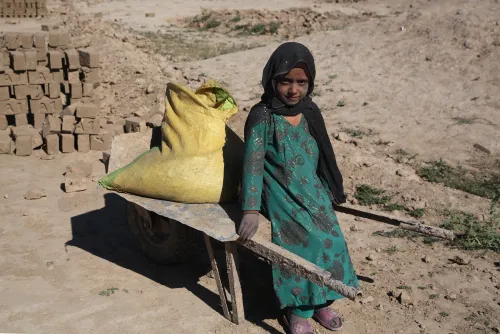
Asiya Arif, Executive Director of the Society for the Protection of the Rights of the Child (Sparc), noted at a separate event marking the World Day Against Child Labour 2026 that every fourth household in Islamabad employs a child as a domestic worker. She cited the weak implementation of existing legislation on child domestic labour as a critical gap. Arif also highlighted that Pakistan's Education Ministry has disclosed that 26.2 million children are currently out of school — a figure that contextualises why child labour remains entrenched. She called for coordinated action across supply chains, hotels, automobile workshops, and the brick kiln industry, aligned with Sustainable Development Goals (SDGs) and Article 16 of Pakistan's Constitution.
What Needs to Happen Next
NCHR Chairperson Rabiya Javeri Agha stated at the report launch that hazardous child labour affects children in every region of Pakistan, and urged stronger implementation mechanisms, expanded social protection, and improved access to quality education. With 26.2 million children out of school and legislative enforcement described as far from satisfactory, advocates argue that without systemic reform across multiple sectors, the numbers are unlikely to improve in the near term.
Frequently Asked Questions
How many children are involved in child labour in Pakistan?
According to the NCHR-UNICEF report released in June 2026, a total of 8.6 million children are engaged in child labour in Pakistan, with more than 6.6 million involved in hazardous work that poses risks to their health and safety.
Which province in Pakistan has the most child labourers?
Punjab has the highest number of child labourers, with more than six million children engaged in labour. Sindh follows with 1.6 million, Khyber Pakhtunkhwa with 745,155, Balochistan with 201,352, and Islamabad Capital Territory with 15,180.
What are the main causes of child labour in Pakistan?
The report identifies poverty as the primary cause, with the highest prevalence among the poorest households and families where parents have lower levels of education. Boys are significantly more likely than girls to be engaged in labour, including hazardous work.
What health impacts does child labour have on children in Pakistan?
Between 32% and 58% of working children across Pakistan's provinces reported work-related injuries or illness. Up to one-third of older children engaged in labour showed symptoms of depression, and child labourers are more likely to remain out of school.
Why is the 2026 Pakistan child labour report considered significant?
It is the first nationally representative child labour dataset compiled in Pakistan in nearly 30 years, making it the most comprehensive baseline for understanding the scale, distribution, and drivers of child labour in the country.