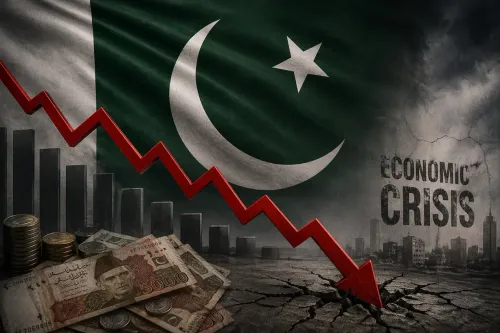
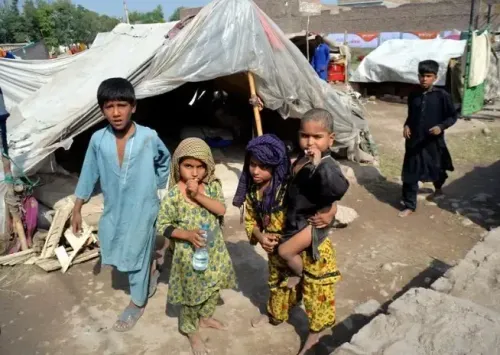
Pakistan poverty rate hits 28.9% in FY26, unemployment up 12.69%
Synopsis
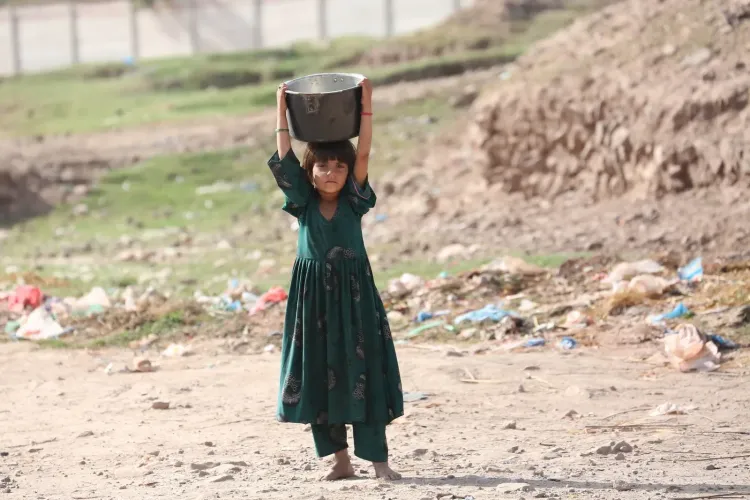
Pakistan's poverty rate jumped from 21.9% to 28.9% in a single fiscal year — and Balochistan now has nearly half its population below the poverty line. With 5.9 million unemployed and a Rs 722.9 billion welfare spend failing to stem the tide, the data exposes a structural crisis that cash transfers alone cannot fix.
Key Takeaways
Pakistan's national poverty rate rose to 28.9 per cent in FY26 , up from 21.9 per cent in FY25, per the Economic Survey of Pakistan 2025-26 .
Unemployment climbed 12.69 per cent year-on-year, with the number of jobless persons rising from 4.5 million to 5.9 million .
Balochistan remained Pakistan's poorest province, with poverty rising to 47 per cent from 41.8 per cent .
Pakistan allocated Rs 722.9 billion to the Benazir Income Support Programme (BISP) in FY26; Rs 540.27 billion had been released.
The report called for rural industrialisation, skills integration in universities, and broader economic growth to achieve sustainable poverty reduction.
Pakistan's national poverty rate surged to 28.9 per cent in fiscal year 2026, up sharply from 21.9 per cent the previous year, while the number of unemployed persons climbed by 12.69 per cent — exposing deepening economic distress across the country despite a significant expansion in social welfare spending, according to a report by The Friday Times citing the Economic Survey of Pakistan 2025-26.
Province-wise Poverty Deterioration
The crisis is not confined to any single region — provincial data reveals that poverty worsened across all of Pakistan's major administrative units. In Punjab, the poverty rate climbed to 23.3 per cent from 16.5 per cent, while Sindh recorded a rise to 32.6 per cent from 24.5 per cent.
Khyber Pakhtunkhwa saw poverty increase to 35.3 per cent from 28.7 per cent. Balochistan remained the country's poorest province, with its poverty rate climbing further to 47 per cent from 41.8 per cent — nearly half its population now living below the poverty line.
Unemployment Figures
The total number of unemployed persons in Pakistan rose to 5.9 million from 4.5 million in the previous fiscal year, according to the report. The unemployment rate increased to 7.1 per cent, reflecting a 12.69 per cent year-on-year rise from 6.3 per cent. The findings, according to the report, point to continued structural challenges in generating adequate employment and raising household incomes amid broader macroeconomic pressures.
BISP Spending and the Limits of Cash Transfers
Pakistan allocated Rs 722.9 billion (Pakistani rupee) to the Benazir Income Support Programme (BISP) — the country's flagship social protection initiative — in FY26. Of that amount, Rs 540.27 billion had been released by the time of the report. BISP provides direct cash assistance to low-income households and is the largest component of Pakistan's social safety net.
Notably, the sharp rise in poverty and unemployment despite this expanded welfare outlay underscores a growing concern among economists: that cash-transfer programmes alone cannot substitute for structural job creation and income growth.
What Experts and the Report Recommend
The report argued that sustained poverty reduction will require stronger job creation, investment in education and skills development, improvements in healthcare access, and broader economic growth beyond direct cash-transfer mechanisms. It specifically highlighted that 'rural industrialisation and small enterprises are crucial factors for sustainable employment and income opportunities.'
The report also called for integrating 'employable skills and entrepreneurial skills with degree-awarding institutions to better align educational outcomes with labour market needs' — a structural reform aimed at reducing long-term welfare dependence. This comes amid a broader pattern of Pakistan seeking IMF bailouts and implementing austerity measures that critics argue have compressed household purchasing power.
Broader Economic Context
The FY26 data arrives as Pakistan continues to navigate a fragile macroeconomic recovery, with inflation having remained elevated through much of the fiscal year and external debt obligations constraining fiscal space. The simultaneous rise in poverty across all four major provinces suggests that the economic stress is systemic rather than localised. Analysts have long warned that without sustained investment in manufacturing and skills, Pakistan's demographic dividend risks becoming a demographic liability.
Point of View
Yet poverty rose by 7 percentage points in a single year — the sharpest single-year increase in recent memory. This suggests that cash transfers, while essential for immediate relief, are functioning as a pressure valve rather than a structural fix. With Balochistan approaching 50% poverty and Khyber Pakhtunkhwa at 35%, the regional concentration of deprivation also raises questions about whether federal resource allocation is calibrated to need. The IMF-backed austerity framework Pakistan has operated under may be compressing the very household demand that small enterprises need to survive — a contradiction the Economic Survey gestures at but does not resolve.
NationPress
24 Oct 2026
Frequently Asked Questions
What is Pakistan's poverty rate in FY26?
Pakistan's national poverty rate rose to 28.9 per cent in fiscal year 2026, up from 21.9 per cent in FY25, according to The Friday Times citing the Economic Survey of Pakistan 2025-26. This marks one of the sharpest single-year increases in recent history.
How much did Pakistan's unemployment rise in FY26?
Pakistan's unemployment rate rose to 7.1 per cent in FY26, a 12.69 per cent increase from 6.3 per cent the previous year. The number of unemployed persons climbed from 4.5 million to 5.9 million.
Which province has the highest poverty rate in Pakistan?
Balochistan remains Pakistan's poorest province, with its poverty rate rising to 47 per cent in FY26 from 41.8 per cent in FY25, according to the Economic Survey of Pakistan 2025-26. Nearly half the province's population is now estimated to be living in poverty.
What is the Benazir Income Support Programme and how much was spent in FY26?
The Benazir Income Support Programme (BISP) is Pakistan's flagship social protection initiative, providing direct cash assistance to low-income households. Pakistan allocated Rs 722.9 billion to BISP in FY26, of which Rs 540.27 billion had been released at the time of the report.
What does the Economic Survey of Pakistan recommend to reduce poverty?
The Economic Survey of Pakistan 2025-26 recommends stronger job creation, rural industrialisation, investment in education and skills development, and better alignment of university curricula with labour market needs. It argues that long-term poverty reduction cannot rely solely on cash-transfer programmes such as BISP.