Is Pakistan's Poverty Rate Reaching an 11-Year Peak at 29%?

Synopsis
Pakistan's poverty rate has escalated to alarming levels, reaching nearly 29%—the highest in 11 years. An official report reveals a staggering increase in poverty, with millions struggling to meet basic needs. Discover the implications of this crisis and the factors driving it in this in-depth analysis.
Key Takeaways
Poverty in Pakistan has reached an 11-year high at 29% .
About 70 million people are now living in extreme poverty.
Poverty increased by 32% since the last survey in 2018-19 .
Income inequality hit a peak of 32.7 , the highest in 27 years .
Balochistan is the worst-affected province, with nearly 47% living in poverty.
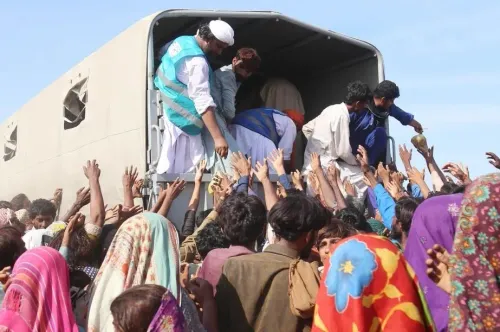
New Delhi, Feb 22 (NationPress) The poverty rate in Pakistan has surged to its highest point in 11 years, with almost 29% of the populace now falling below the poverty line, as revealed by an official survey from Planning Minister Ahsan Iqbal.
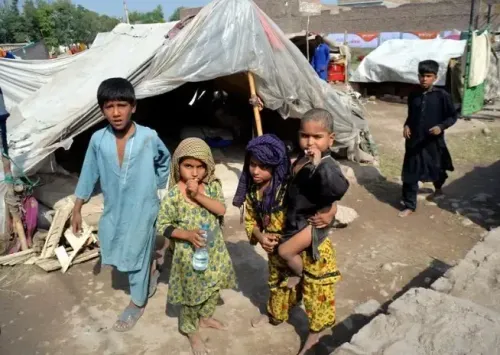
The report referenced by The Express Tribune indicates that approximately 70 million people are entrenched in extreme poverty, defined by a monthly threshold of Rs 8,484, the minimum required to fulfill basic needs.
The initial findings for the fiscal year 2024-25 show a staggering 32% increase in poverty since 2018-19, the year of the previous survey.
In 2019, the poverty rate was recorded at 21.9%. By the first year of Prime Minister Shehbaz Sharif’s administration, it had risen to 28.9%.
This marks the highest figure since 2014, when poverty was noted at 29.5%, according to the report.
The level of income inequality has also significantly deteriorated, with the survey indicating that inequality climbed to 32.7, the peak level in 27 years.
The last occasion when inequality approached this figure was in 1998. Additionally, Pakistan is grappling with its most elevated unemployment rate in 21 years, at 7.1%.
The planning minister acknowledged that the economic stabilization steps linked to the International Monetary Fund (IMF) program have played a role in the rising poverty numbers.
He pointed out that the removal of subsidies, currency devaluation, and high inflation have escalated living costs.
Natural disasters and sluggish economic growth have also contributed to the increasing number of individuals pushed into poverty.
The report underscores that the trend of reducing poverty has reversed for the first time in 13 years.
Rural communities have been affected more severely, with poverty climbing from 28.2% to 36.2%. Urban poverty also increased from 11% to 17.4%, as noted in the report.
The situation has deteriorated across provinces. In Punjab, poverty rose from 16.5% to 23.3% over the past seven years.
In Sindh, it escalated from 24.5% to 32.6%. In Khyber Pakhtunkhwa, the rate surged from 28.7% to 35.3%.
Balochistan remains the province most severely impacted, with nearly half of its population living in poverty, and the rate increasing from 42% to 47%, as per the report.
The survey also revealed that real monthly household income has decreased from Rs 35,454 in 2019 to Rs 31,127 in the last fiscal year, marking a 12% drop.
Real monthly household expenditures also declined by over 5% during the same timeframe. While nominal incomes may have risen, soaring inflation has outstripped earnings, thereby eroding purchasing power.
Point of View
We recognize the profound implications of the rising poverty rates in Pakistan. This situation calls for urgent attention and action from policymakers to address the underlying economic issues. The stark increase in inequality and unemployment must be tackled through comprehensive and sustainable strategies that prioritize the well-being of all citizens.
NationPress
8 Oct 2026
Frequently Asked Questions
What is the current poverty rate in Pakistan?
The current poverty rate in Pakistan has reached nearly 29%, marking the highest level in 11 years.
How many people are living in extreme poverty in Pakistan?
Approximately 70 million people in Pakistan are currently living in extreme poverty.
What factors have contributed to the rise in poverty?
Factors such as economic stabilization measures tied to the IMF, removal of subsidies, inflation, and natural disasters have all contributed to the increase in poverty.
How has income inequality changed in Pakistan?
Income inequality in Pakistan has worsened, rising to 32.7, the highest level in 27 years.
What are the implications of rising poverty in Pakistan?
Rising poverty can lead to increased social unrest, economic instability, and a decline in overall quality of life for millions of citizens.