South Korea PM Kim Min-seok pushes prosecution reform, eyes scrapping investigative rights
Synopsis
South Korean Prime Minister Kim Min-seok is doubling down on prosecution reform — instructing his task force to entertain debate on supplementary investigative rights only while holding firm to the principle of abolishing them altogether. With the law set to take effect in October and a DP leadership race looming, the reform is as much about political signalling as it is about criminal justice.
Key Takeaways
PM Kim Min-seok instructed the prosecution reform task force on 6 May to discuss supplementary investigative rights while maintaining the stance that all prosecutorial investigative powers should be scrapped.
The Democratic Party (DP) -led legislation, cleared by Cabinet in March , would reduce the prosecution to an indictment-only agency with no independent investigative authority.
The reform law is set to take effect in October , pending a revision to the Criminal Procedure Act .
Critics warn that stripping the prosecution of all investigative rights could leave serious gaps, given the prosecution's role in supplementing police investigations.
Political observers suggest Kim's directive may also be aimed at consolidating DP support ahead of a party leadership race following next month's local elections.
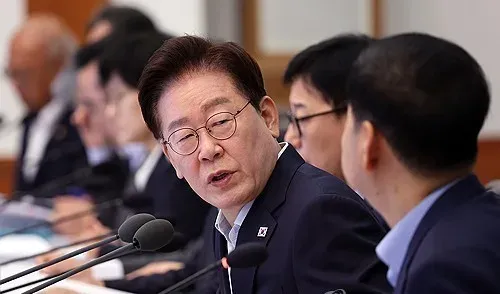
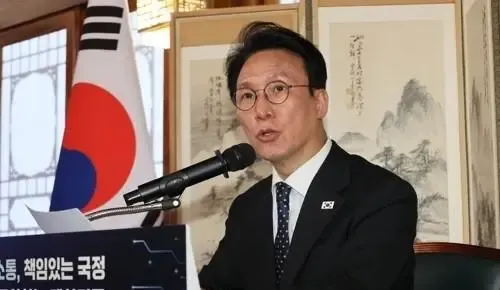
South Korean Prime Minister Kim Min-seok has instructed a government task force to discuss demands for preserving the prosecution's supplementary investigative rights — but only with the overarching principle that the prosecution's investigative powers should be abolished entirely, officials said on Wednesday, 6 May. The directive signals the prime minister's firm commitment to a sweeping prosecution reform agenda that has divided South Korean politics.
What the Reform Entails
The prosecution reform legislation, championed by the ruling Democratic Party (DP) and cleared by Cabinet in March, seeks to dismantle the existing prosecution service and replace it with a leaner agency responsible solely for indictments and court proceedings — stripped of all independent investigative authority. The law is set to take effect in October.
Prime Minister Kim issued his instruction to a dedicated task force operating under the prime minister's office, which has been gathering public opinion ahead of a planned revision to the Criminal Procedure Act. On Wednesday, a formal public discussion was held between the ruling party and the government, centred on whether the prosecution should retain any supplementary investigative role.
The Political Context Behind the Push
The reform carries deep political weight. The ruling bloc has long argued that the prosecution abused its investigative powers to target liberal politicians — most notably the late former President Roh Moo-hyun, who died by suicide while under a prosecution probe into corruption allegations.
Supporters of the reform also point to incumbent President Lee Jae Myung, who faced multiple corruption trials before they were suspended following his election and inauguration in June 2025. The DP has characterised those prosecutions as politically motivated.
Opposition and Critics Raise Concerns
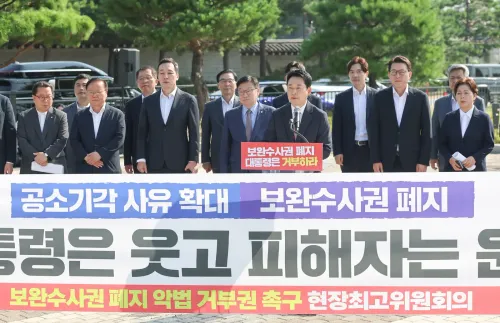
The legislation has drawn significant pushback from the opposition and legal experts, who warn that eliminating the prosecution's investigative authority entirely could create serious gaps in the criminal justice system. Critics argue that the prosecution has historically compensated for shortfalls in police investigations, and that leaving all investigative work to the police carries substantial risk.
Many critics contend the prosecution should retain at least a minimum level of investigative rights to ensure accountability and effectiveness in complex cases.
Reading Between the Lines
While Prime Minister Kim has repeatedly opposed granting the prosecution supplementary investigative rights, he has also publicly acknowledged the need to consider dissenting views — a balancing act that analysts say reflects political calculation. According to Yonhap news agency, his latest instruction to the task force is seen as a reaffirmation of his intent to drive the reform forward.
Some political observers suggest the message may also be aimed at consolidating support among hardcore DP loyalists ahead of a leadership race within the ruling party, expected after next month's nationwide local elections.
With the October deadline approaching, how the task force navigates the question of supplementary investigative rights is likely to determine both the shape of South Korea's criminal justice system and the political fortunes of those steering the reform.
Point of View
But he is making clear which direction the door opens. The timing, ahead of a DP leadership contest, raises legitimate questions about whether criminal justice reform is being driven by institutional design or electoral arithmetic. The real risk is that a reform conceived in political grievance produces a justice system with structural blind spots that outlast any one government.
NationPress
24 Sept 2026
Frequently Asked Questions
What is South Korea's prosecution reform legislation?
It is a law championed by the ruling Democratic Party (DP) that would transform the prosecution into an indictment-only agency, stripping it of all independent investigative powers. The legislation passed a Cabinet meeting in March and is set to take effect in October.
Why is PM Kim Min-seok pushing for prosecution reform?
PM Kim and the ruling DP argue that the prosecution has historically abused its investigative powers to target liberal politicians, including the late former President Roh Moo-hyun and current President Lee Jae Myung. The reform is framed as a corrective to institutional overreach.
What are the concerns raised by critics of the reform?
Critics warn that completely removing the prosecution's investigative rights could create serious gaps in South Korea's criminal justice system. They argue the prosecution has traditionally compensated for shortfalls in police investigations, and that concentrating all investigative authority in the police carries significant risk.
What did PM Kim instruct the task force to do on 6 May?
He instructed the prosecution reform task force under the prime minister's office to hold discussions on demands to preserve supplementary investigative rights, but strictly within the framework that the prosecution's investigative authority should ultimately be abolished entirely.
Is there a political dimension to the reform push?
Yes. Some analysts, as reported by Yonhap news agency, suggest PM Kim's directive is partly aimed at wooing core DP supporters ahead of a party leadership election expected after next month's nationwide local elections in South Korea.