Will South Korea's PM Meet with Key Political Figures to Address US Tariffs?
Synopsis
South Korean PM Kim Min-seok is poised for critical discussions with key Democratic Party lawmakers and the presidential chief of staff to address vital investment commitments to the US. Amid rising tariff threats from President Trump, this meeting could shape future trade relations and economic strategies.
Key Takeaways
Prime Minister Kim Min-seok is meeting with key lawmakers and the presidential chief of staff.
The agenda includes discussing a special investment bill.
US tariff threats are a major concern for South Korea.
South Korea has pledged USD 350 billion investment in the US.
Labor groups oppose the proposed bill for extended working hours.
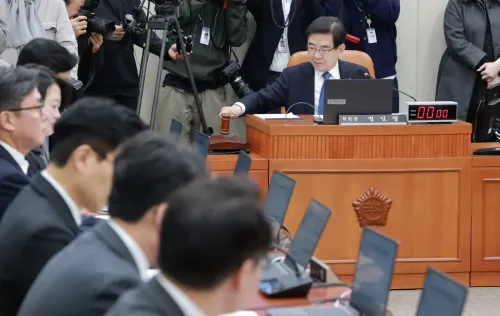
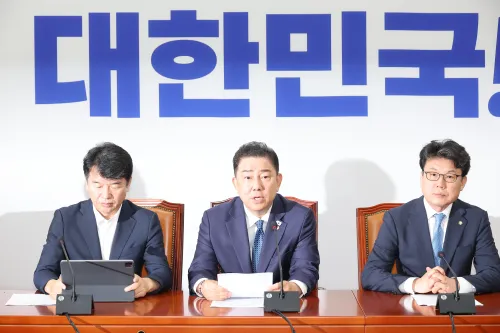
Seoul, Feb 8 (NationPress) South Korean Prime Minister Kim Min-seok is scheduled to engage in discussions with prominent lawmakers from the ruling Democratic Party (DP) and the presidential chief of staff on Sunday evening. The agenda includes a special bill aimed at enforcing South Korea's investment commitments to the United States and addressing other significant matters, as per information from officials.
The meeting, taking place at 5 pm at the prime minister's residence, follows a consensus among rival political factions to create a special committee dedicated to the investment bill. This decision comes in light of recent threats from US President Donald Trump regarding tariff increases, as reported by Yonhap News Agency.
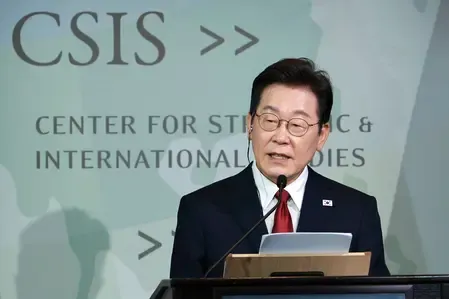
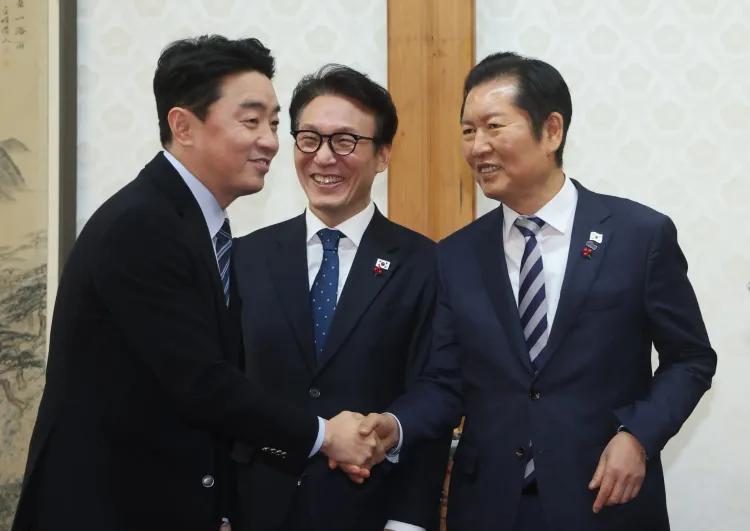
Attendees of this crucial meeting will include Prime Minister Kim Min-seok, President Lee Jae Myung's chief of staff Kang Hoon-sik, chief of the ruling party Rep. Jung Chung-rae, and presidential secretary for political affairs Hong Ik-pyo.
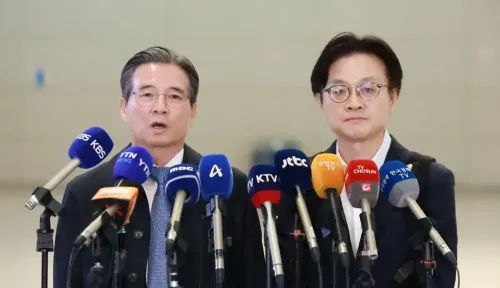
The discussions are expected to revolve around insights gained from a recent visit to the US by key trade officials regarding Trump's tariff policies and the DP's plan to advance the special investment bill.
Last month, Trump issued warnings of potential increases in "reciprocal" tariffs and duties on automobiles, lumber, and pharmaceuticals vis-à-vis South Korea, escalating from 15 percent to 25 percent due to delays in parliamentary actions aimed at passing a special investment bill that would facilitate the enforcement of a trade agreement between the two nations.
As part of this trade deal, South Korea has pledged to invest USD 350 billion in the US and other commitments in exchange for a reduction in reciprocal tariffs from 25 percent to 15 percent.
Moreover, it is anticipated that the participants will deliberate on the government's and DP's initiative to relax restrictions on so-called dawn delivery for major discount store chains in the country.
Earlier this month, the DP introduced a proposal allowing large retail chains to operate their online businesses around the clock, facilitating overnight delivery services.
This legislation is part of broader efforts to devise "win-win" strategies for brick-and-mortar stores and online shopping platforms. However, labor organizations have expressed opposition to this legislative initiative, citing concerns over extended nighttime working hours.
Point of View
It is essential to recognize the significance of the forthcoming discussions between South Korean officials and their American counterparts. The outcomes of these meetings could greatly influence both nations' economic landscapes and bilateral relations, particularly in the context of trade agreements and tariff negotiations.
NationPress
29 Sept 2026
Frequently Asked Questions
What is the purpose of the meeting?
The meeting aims to discuss a special bill related to South Korea's investment commitments to the United States and address other important issues.
Who will participate in the discussions?
Participants include Prime Minister Kim Min-seok, President Lee Jae Myung's chief of staff Kang Hoon-sik, and key lawmakers from the Democratic Party.
What are the potential implications of the US tariffs?
Increased tariffs could significantly impact South Korea's economy and its investment commitments to the US, potentially leading to strained relations.
How much is South Korea investing in the US?
South Korea has committed to investing USD 350 billion in the US under a trade deal.
What is the stance of labor groups regarding the proposed bill?
Labor groups oppose the proposed bill, citing concerns over increased nighttime working hours for employees.