Will the National Assembly Process the US Investment Bill as Planned?
Synopsis
South Korea's lawmakers are determined to move forward with the legislation related to the country's investment promises to the United States. Despite recent tariff rulings, all parties are committed to ensuring the bill progresses, showcasing the ongoing importance of international economic relationships.
Key Takeaways
South Korea is proceeding with investment legislation to the U.S.
Recent tariff ruling does not hinder investment plans.
Hearing scheduled for next Tuesday.
Both major parties support the legislation.
Special committee active until March 9.
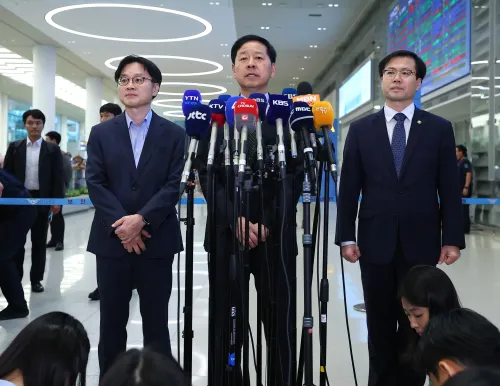
Seoul, Feb 21 (NationPress) On Saturday, South Korea's rival political parties affirmed their commitment to continue with the necessary steps to advance the legislation concerning South Korea's investment commitments to the United States, despite the recent court ruling regarding President Donald Trump's extensive tariffs.
According to Rep. Kim Sang-hoon from the opposition People Power Party (PPP), who leads a special committee overseeing the legislation, the ruling does not appear to negate South Korea's investments in the U.S.
"We intend to conduct the hearing as scheduled and evaluate the government's stance" on the ruling, he stated.
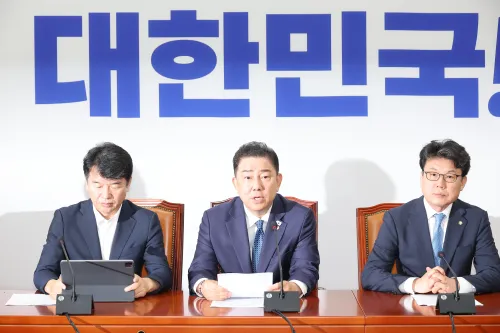
Members of the ruling Democratic Party (DP) also indicated their intention to proceed with the legislation as planned, asserting that the agreement with Washington remains in place.
"We do not anticipate any changes to the timetable regarding the special bill on South Korea's investment commitments to the U.S.," said a senior DP official during a conversation with Yonhap News Agency.
"We aim to methodically assess the legislation"
Conversely, the smaller Jinbo Party called for an immediate suspension of all processes related to the investment bill.
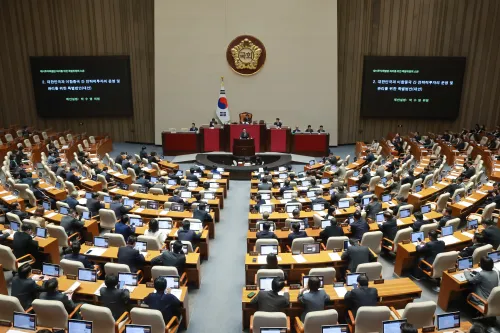
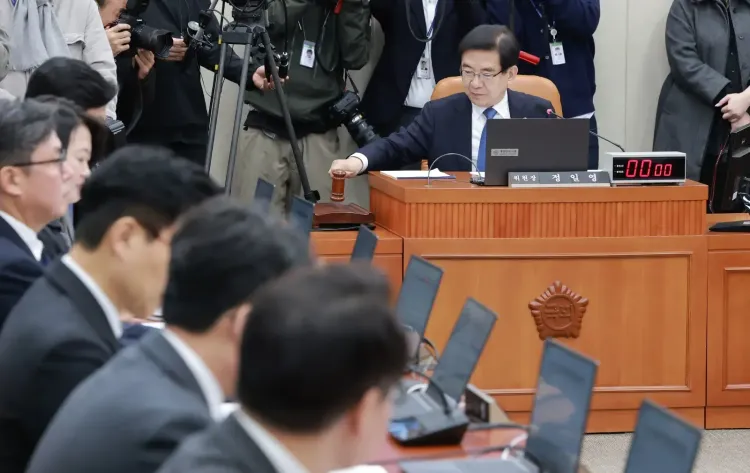
Earlier this month, the National Assembly adopted a resolution to establish a parliamentary special committee to expedite legislation concerning South Korea's $350 billion investment pledge to the U.S., following a trade agreement between Seoul and Washington.
The initiative followed President Trump’s threats to escalate tariffs on South Korea from 15% back to 25%, citing delays in Seoul's legislative actions.
The committee convened its first meeting on February 12 but was quickly interrupted due to conflicts between rival parties regarding unrelated judicial reform bills that were approved the day before.
A hearing on the legislation is slated for next Tuesday. The conflicting parties intend to advance the bill during a plenary session on March 5, with the special committee remaining active until March 9.
Point of View
It is crucial to recognize the significance of South Korea's ongoing commitment to its investment pledges to the United States. In a time of global economic uncertainty, this determination reflects both resilience and a proactive approach to international relations, aligning with national interests.
NationPress
19 Sept 2026
Frequently Asked Questions
What is the current status of the US investment bill in South Korea?
As of now, South Korean lawmakers are proceeding with the legislation regarding the country's investment commitments to the U.S., despite recent developments concerning tariffs.
What are the implications of the recent court ruling on tariffs?
The recent ruling does not appear to affect South Korea's investment plans in the U.S., according to lawmakers.
When will the hearing on the investment legislation take place?
The hearing is scheduled for next Tuesday, with plans for further processing during a plenary session on March 5.
What is the amount of South Korea's investment pledge to the U.S.?
South Korea has pledged $350 billion in investments to the United States.
Which political parties are involved in the legislation process?
Both the ruling Democratic Party and the opposition People Power Party are involved, with differing views on the pace of the legislation.