US Expected to Maintain Current Tariff Rates If South Korea Passes Investment Bill
Synopsis
South Korea's Industry Minister Kim Jung-kwan reveals that the U.S. is unlikely to increase tariffs if a significant investment bill passes in the National Assembly. This announcement follows discussions with U.S. officials and highlights the importance of bilateral trade relations.
Key Takeaways
U.S. unlikely to raise tariffs on South Korea if the investment bill passes.
Investment bill valued at $350 billion aims to strengthen trade relations.
Discussion with U.S. officials indicates positive reception of the bill.
Ongoing monitoring of tariff policies is essential.
Trade Minister Yeo Han-koo also engaged with U.S. officials on related issues.
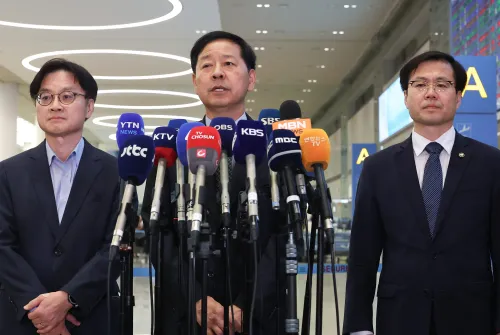
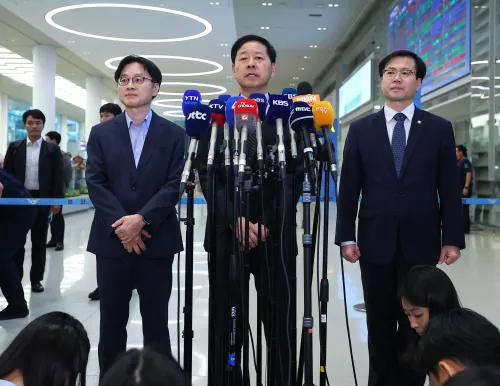
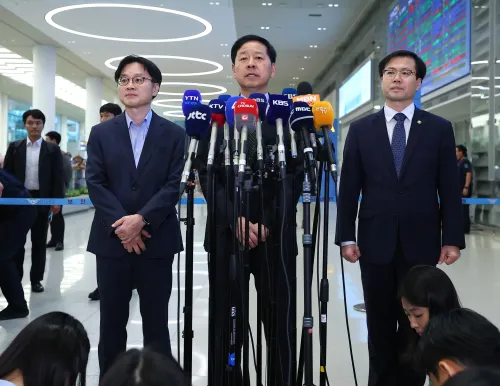
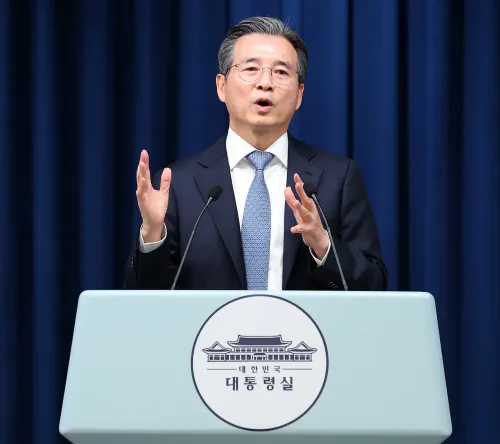
Seoul, March 8 (NationPress) - South Korea's Industry Minister Kim Jung-kwan announced on Sunday that he has received indications that the United States is unlikely to increase tariffs on South Korea if the National Assembly approves a special bill concerning Seoul's $350 billion investment commitment to the U.S.
Kim made these statements upon his return from a visit to the U.S., where he met with Commerce Secretary Howard Lutnick to address tariff and bilateral trade matters. This follows a warning from U.S. President Donald Trump in January regarding potential increases in "reciprocal" tariffs and additional duties on South Korea, as reported by Yonhap news agency.
During his meeting with Lutnick, Kim detailed the special investment bill anticipated to pass in the National Assembly next week. The U.S. expressed strong approval and gratitude towards the initiative. "I have been informed that if the bill is enacted or if South Korea adheres to trade negotiation commitments with Washington, there will be no announcements regarding tariff increases in the Federal Register," he stated.
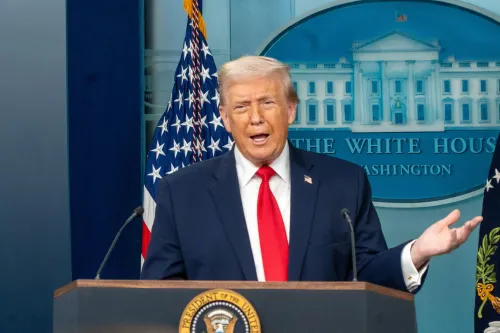
Trump's earlier threats included raising tariffs on various sectors, including auto, lumber, and pharmaceuticals, from 15% to 25%, citing delays in legislative processes for the investment bill.
The bill is expected to receive swift approval on Thursday, with bipartisan support emphasizing national interests.
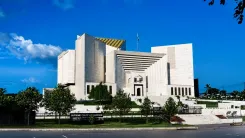
Kim's recent visit aimed to clarify uncertainties surrounding U.S. tariff policies following a recent ruling by the U.S. Supreme Court that invalidated Trump's reciprocal tariff strategy.
In response, the Trump administration has initiated a 10% "global tariff" under Section 122, with a potential escalation to 15% as threatened by Trump.
Regarding the global tariff concerns, Kim mentioned he held discussions with U.S. officials to ensure that South Korea remains competitive with other nations.
Additionally, he addressed a petition from U.S. investors in e-commerce firm Coupang Inc., which requests a Section 301 investigation. "The U.S. maintains that its companies should not face discriminatory treatment. We clarified that Coupang's situation involves domestic legal matters related to a significant data breach, which we will address appropriately," Kim remarked.
"I believe Secretary Lutnick and I reached a mutual understanding on this issue," he added.
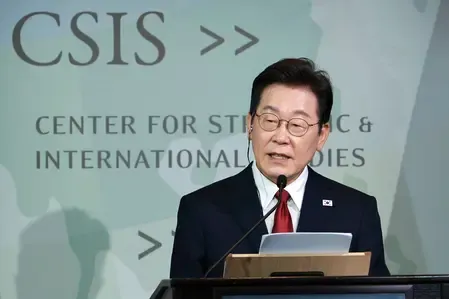
On the matter of an oil price cap system, as directed by President Lee Jae Myung due to rising oil prices, Kim noted that the government has nearly finalized preparations to implement this system.
"We will monitor market conditions and take necessary measures for immediate implementation if required," the minister indicated.
Meanwhile, Trade Minister Yeo Han-koo has also returned after meeting with U.S. Trade Representative Jamieson Greer last week to discuss tariff and non-tariff issues.
Point of View
The recent statements from South Korea's Industry Minister regarding the U.S. tariff situation underscore a pivotal moment in trade relations. The anticipated passage of the investment bill could serve as a critical turning point, promoting cooperation between the two nations. However, ongoing discussions require careful monitoring to ensure favorable outcomes.
NationPress
18 Sept 2026
Frequently Asked Questions
What is the significance of the special investment bill?
The special investment bill is crucial as it represents South Korea's commitment of $350 billion to the U.S., which may influence U.S. tariff policies.
Who is Kim Jung-kwan?
Kim Jung-kwan is South Korea's Industry Minister, responsible for trade policies and economic relations.
What were Trump's threats regarding tariffs?
Trump threatened to increase tariffs on South Korea from 15% to 25% on various goods, citing delays in passing the investment bill.
How did the U.S. respond to the investment bill?
The U.S. expressed high regard for the investment bill during discussions with South Korean officials, indicating potential positive implications for tariffs.
What is the current status of U.S. tariffs?
As of now, the U.S. is not expected to raise tariffs if the investment bill is passed, based on statements from South Korean officials.