Gujarat VGRC 2025: Fertiliser import substitution and tribal tourism in focus at Surat
Synopsis
At Surat's VGRC, Gujarat laid out a two-pronged agenda: cut fertiliser import dependence by scaling domestic urea, DAP, and bio-fertiliser output — and pump ₹220 crore into tribal tourism circuits for 2026-27. Both moves signal the state's intent to link agricultural security with inclusive economic growth in its underserved tribal regions.
Key Takeaways
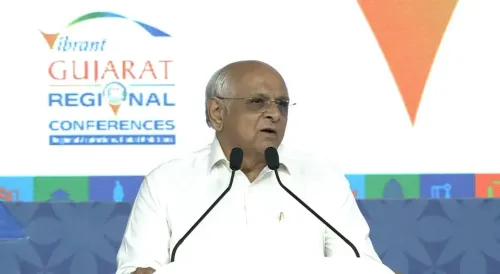
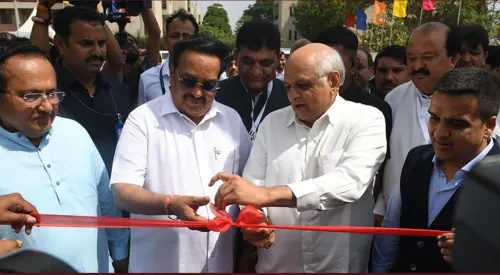
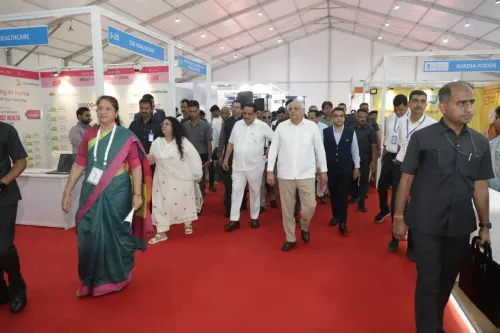
The Vibrant Gujarat Regional Conference (VGRC) was held in Surat on 1 May 2025 , covering fertiliser self-reliance and tribal tourism.
India's dependence on imports for potash and phosphatic raw materials was flagged as a critical vulnerability at the fertiliser panel.
Experts called for scaling domestic output of urea , DAP , and complex fertilisers , alongside promotion of nano urea and bio-fertilisers .
Tourist arrivals at Saputara rose from 1.13 lakh in FY 2023-24 to 1.19 lakh in FY 2025-26 .
A ₹9.85 crore project to develop Sunrise Point in Saputara is underway.
Gujarat has allocated approximately ₹220 crore in the FY 2026-27 budget for tribal tourism infrastructure and promotion.
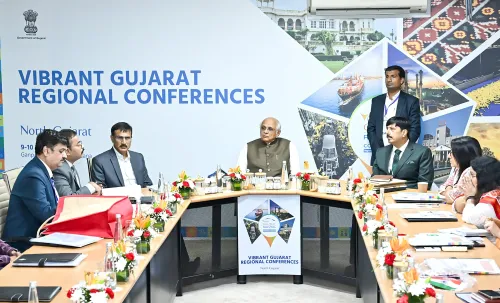
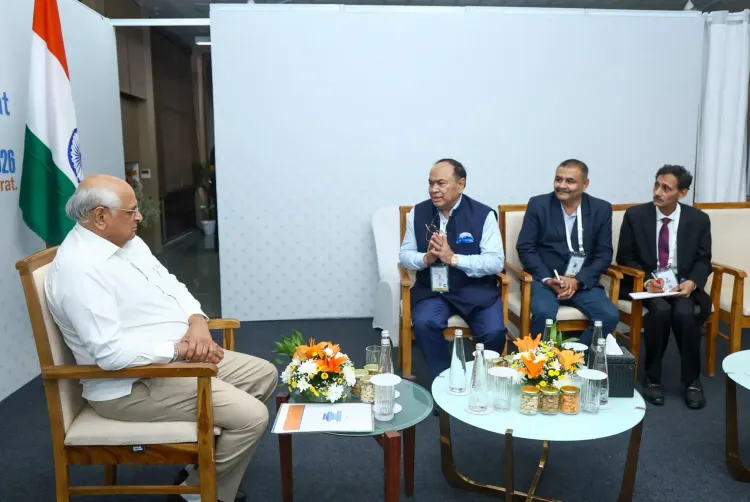
A series of policy and industry sessions at the Vibrant Gujarat Regional Conference (VGRC) in Surat on 1 May 2025 spotlighted two strategic priorities for the state: reducing India's dependence on imported fertiliser inputs and scaling up tourism infrastructure across Gujarat's tribal belts. The twin-track agenda drew experts from agriculture, industry, academia, and government under one roof.
Fertiliser Self-Reliance: Key Deliberations
At Auro University, a national-level panel titled
Point of View
Sharpened by geopolitical supply shocks since 2022. Yet coordinating government bodies, industry, and research institutions — as panellists recommended — has proven elusive in past policy cycles. On the tourism side, a ₹220 crore tribal allocation is meaningful, but the Saputara arrivals uptick of roughly 6,000 visitors over two years is modest; the real test is whether eco-tourism circuits translate into sustained livelihoods for tribal communities, not just footfall numbers.
NationPress
25 Sept 2026
Frequently Asked Questions
What was discussed at the VGRC fertiliser session in Surat?
The session at Auro University focused on strategies to achieve self-reliance through import substitution in the fertiliser sector. Experts discussed India's dependence on imported potash and phosphatic raw materials and called for scaling domestic production of urea, DAP, and complex fertilisers, while also promoting nano urea and bio-fertilisers.
Why is fertiliser import substitution important for India?
India is one of the world's largest fertiliser consumers but relies heavily on imports for critical inputs like potash and phosphates. Evolving geopolitical conditions, supply chain disruptions, and volatile input prices have made domestic self-reliance increasingly urgent for agricultural stability and farmer affordability.
How much has Gujarat budgeted for tribal tourism in 2026-27?
The Gujarat government has allocated approximately ₹220 crore in the FY 2026-27 budget for infrastructure development and promotion of tourism in tribal areas, targeting eco-tourism, rural tourism, and tribal heritage circuits.
What is the Sunrise Point project in Saputara?
The Sunrise Point development in Saputara is a ₹9.85 crore project undertaken by the state government and the Tourism Corporation of Gujarat Limited to enhance tourism infrastructure at one of South Gujarat's key tribal destinations.
Who addressed the tourism seminar at VGRC 2025?
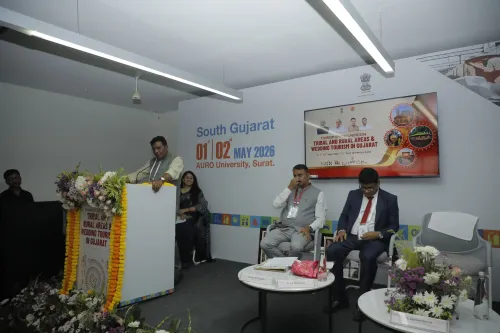
State Tourism Minister Dr Jayram Gamit addressed the tourism development seminar, highlighting rising visitor numbers at Saputara, wedding tourism opportunities in Narmada, Saputara, and Dang, and the government's broader tribal tourism strategy.