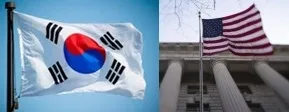
Is Trump's Tariff Increase a Strategy to Accelerate South Korea's Investment in the US?
Synopsis
In a surprising move, President Trump has increased tariffs on South Korea, aiming to push the nation to fulfill its investment commitments to the U.S. Amid ongoing domestic challenges, experts analyze the potential implications of this decision on bilateral relations.
Key Takeaways
Trump's tariff increase is aimed at pressuring South Korea.
The tariffs rose from 15% to 25%.
The South Korean government is focused on legislative progress.
The Coupang investigation could have influenced the timing.
Diplomatic communication is crucial in managing these tensions.
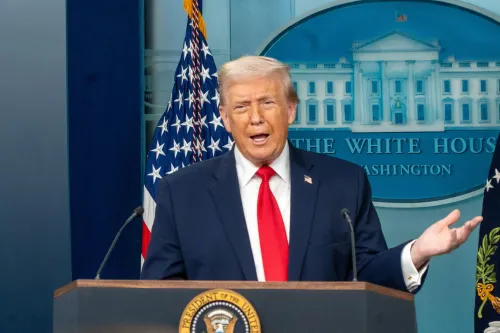
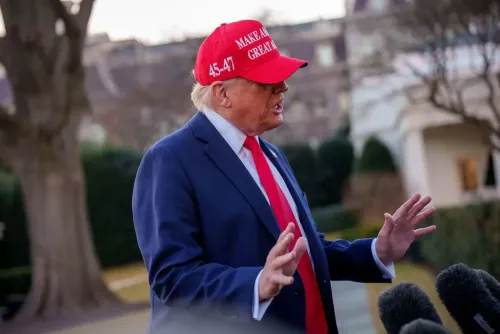
Seoul, Jan 27 (NationPress) US President Donald Trump's unexpected decision to increase tariffs on South Korea seems designed to motivate the nation to promptly fulfill its investment commitments to the United States, as domestic challenges loom, including the anticipated ruling by the U.S. Supreme Court regarding the tariffs' legality, experts noted on Tuesday.
Earlier today, Trump announced via social media that he is elevating "reciprocal" tariffs and automotive duties on South Korea from 15 percent to 25 percent, claiming that Seoul's National Assembly has yet to finalize the domestic procedures necessary to implement the bilateral trade agreement established in October, according to reports from Yonhap news agency.
Trump was seemingly referencing a special legislative proposal introduced by the ruling Democratic Party of Korea in November, which aims to support the country’s US$350 billion investment pledge to the U.S., a part of the tariff arrangement between the two nations.
This proposal has yet to receive approval from the Assembly. "Trump's action appears primarily intended to ensure the passage of the special investment bill, which is currently stalled in the National Assembly, rather than genuinely raising the tariffs," stated Kwon Nam-hoon, president of the Korea Institute for Industrial Economics and Trade.
"Given the potential for the U.S. Supreme Court to overturn reciprocal tariffs, Trump may feel a pressing need to secure Korea's commitment before further delays occur," he added, indicating that the U.S. may perceive Korea as "testing the waters."
Shin Won-kyu, chief analyst at the Korea Economic Research Institute, suggested that Trump's decision might be influenced by growing concerns over various issues, including criticism of his immigration policies, ambitions regarding Greenland, and escalating tensions with the European Union and Canada.
Trade analysts also mentioned that they cannot dismiss the likelihood that Korea's recent initiatives on digital regulations, including an ongoing investigation into the data breach involving U.S.-listed Coupang Inc., played a role in Trump's choice.
U.S. lawmakers and investors have labeled the probe into Coupang as "discriminatory," while the State Department voiced "significant concerns" last month over Seoul's regulatory actions that could impact online platform operations.
The Coupang situation was also addressed during Korean Prime Minister Kim Min-seok's meeting with U.S. Vice President JD Vance last week, where both leaders concurred on managing the issue to prevent misunderstandings between their governments, as reported by Seoul officials.
"Unilaterally altering agreed terms between the two nations through a social media post is not only undiplomatic but also exceedingly difficult to understand from a diplomatic perspective," remarked Yoon Heo, an economics professor at Sogang University.
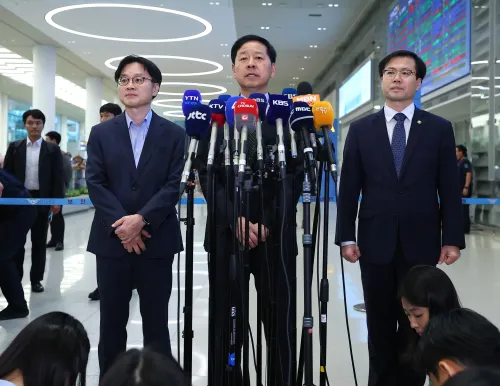
Meanwhile, the Seoul government stated it will maintain close communication with Washington regarding the ongoing legislative developments concerning the U.S. investment bill, while formulating a response strategy.
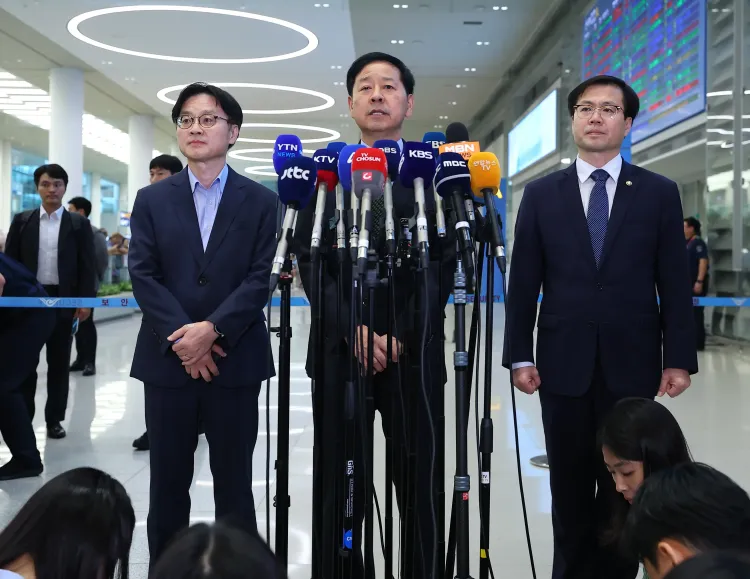
Korea has yet to receive any formal notification or clarification from the U.S. regarding Trump's tariff hike announcement, with Cheong Wa Dae noting it will soon convene an emergency interagency meeting, led by presidential chief of staff for policy Kim Yong-beom, to discuss the government's response.
Industry Minister Kim Jung-kwan, who is currently visiting Canada, is expected to travel to Washington to engage in discussions with U.S. counterparts, with arrangements being made for a meeting with U.S. Commerce Secretary Howard Lutnick.
Point of View
It's essential to recognize the implications of President Trump's tariff hike on South Korea. This move not only reflects the complexities of international trade relationships but also highlights the urgency for both nations to navigate these waters diplomatically. The focus should remain on constructive dialogue to mitigate tensions and foster mutual economic growth.
NationPress
6 Oct 2026
Frequently Asked Questions
Why did Trump raise tariffs on South Korea?
Trump raised tariffs to pressure South Korea into fulfilling its investment commitments amid ongoing domestic uncertainties.
What is the new tariff rate on South Korea?
The new tariff rate has increased from 15% to 25%.
What are the implications of this tariff hike?
The tariff hike could strain U.S.-South Korea relations and impact global trade dynamics.
How has South Korea responded to this announcement?
The South Korean government plans to communicate closely with the U.S. regarding legislative progress on the investment bill.
What role did the Coupang investigation play in this decision?
The investigation into Coupang may have influenced Trump's decision amidst concerns over digital regulations in South Korea.