IRGC warns US: attacks on Iranian ships will trigger strikes on US bases
Synopsis
Iran's IRGC has declared its missiles and drones are locked onto US targets in the region and is "awaiting the order to fire" — a stark escalation warning as naval clashes continue in the Strait of Hormuz and nuclear talks between Tehran and Washington stall under mounting pressure.
Key Takeaways
The IRGC Navy warned on 10 May that any attack on Iranian oil tankers will trigger a heavy strike on a US military centre in the region.
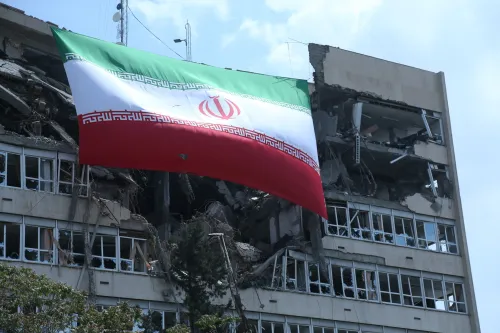
The IRGC Aerospace Division stated its missiles and drones are "locked onto US targets" and it is "awaiting the order to fire." Iran has barred US- and Israel-affiliated vessels from the Strait of Hormuz since 28 February , following joint US-Israeli strikes on Iranian territory.
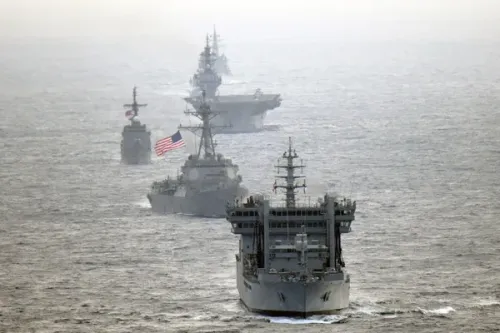
The US has imposed a naval blockade on the strait and has attacked several Iranian ships over the past days, according to reports.
President Trump signalled possible escalation if nuclear negotiations do not progress, referencing a potential "Project Freedom Plus" approach.
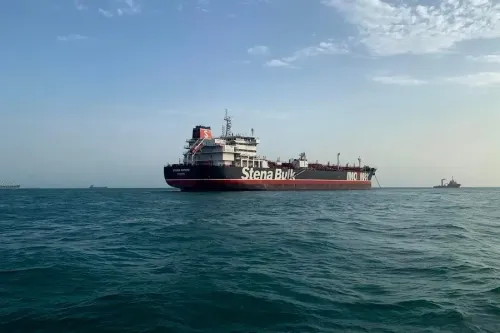
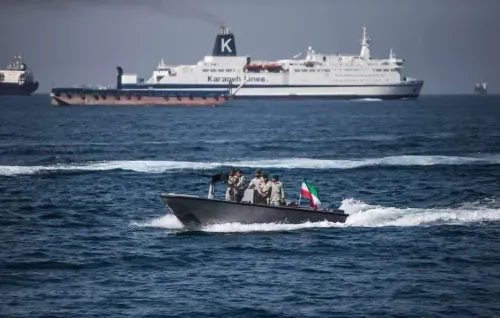
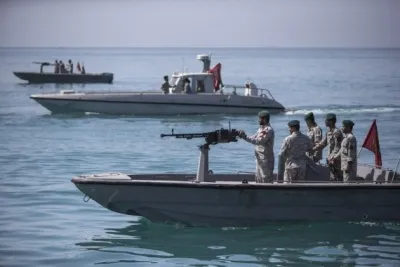
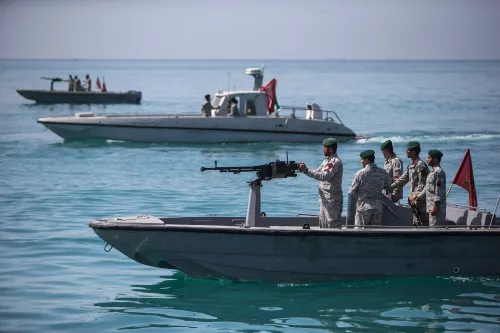
The Navy of Iran's Islamic Revolutionary Guard Corps (IRGC) warned on 10 May that any "aggression" against Iranian oil tankers and commercial vessels will result in a heavy retaliatory strike against a US military centre in the region and "enemy" ships. The warning was issued in a post on social media platform X, as sporadic clashes between Iran and the United States continued in and around the Strait of Hormuz.
Escalating Tensions at the Strait of Hormuz
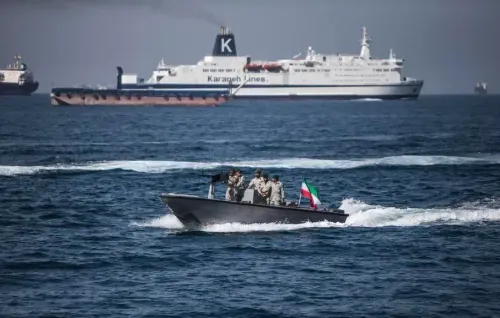
Clashes between Iranian and US forces in and around the Strait of Hormuz erupted on Thursday and Friday, marking a sharp escalation in hostilities. The confrontations follow a period of tightening Iranian control over the strategically critical waterway, which carries an estimated 20% of the world's seaborne oil traffic.
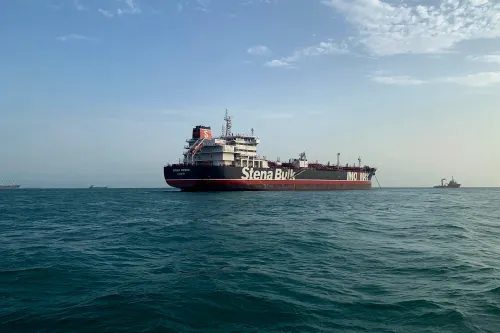
According to reports, Iran began restricting passage through the strait from 28 February, barring vessels belonging to or affiliated with Israel and the United States. This move came after the two countries reportedly launched joint strikes on Iranian territory. The United States, in turn, has imposed a naval blockade on the strait, preventing ships to and from Iranian ports from transiting the waterway. The US military has attacked several Iranian ships and oil tankers over the past days, according to reports.
IRGC Aerospace Division: Missiles and Drones Locked on US Targets
In a separate post on X, the IRGC's Aerospace Division stated that its missiles and drones have "locked onto US targets in the region and ships of the aggressive enemy." The division added: "We are awaiting the order to fire."
This comes amid a broader pattern of Iranian deterrence signalling — the IRGC has periodically issued such warnings during past periods of US-Iran naval friction, though analysts note the current standoff is among the most volatile since the 2019 tanker crisis.
Trump Signals Possible Escalation Over Nuclear Talks
Earlier on Friday, US President Donald Trump said he expects to receive a message from Iran as questions persist over the pace of nuclear negotiations. Pressed on whether Tehran was deliberately slowing the process, he said: "We'll find out soon enough."
President Trump signalled that Washington could escalate its approach if talks falter. "We'll go a different route if everything doesn't get signed up, buttoned up," he said. "We may go back to Project Freedom if things don't happen, but it'll be Project Freedom Plus. Meaning Project Freedom plus other things."
The remarks suggest the White House is keeping military and diplomatic options open simultaneously — a dual-track posture that has characterised US policy toward Iran across multiple administrations.
What Happens Next
With the Strait of Hormuz effectively contested by both sides and IRGC units reportedly on standby, the risk of miscalculation has risen sharply. The outcome of any renewed nuclear diplomacy — or its breakdown — is likely to determine whether the current naval standoff stabilises or deteriorates further in the coming days.
Point of View
Stalled nuclear diplomacy, and a US president who has publicly left military escalation on the table. The reference to 'Project Freedom Plus' is deliberately vague, which is itself a coercive tool. History suggests that the Strait of Hormuz is most volatile not when either side wants war, but when both sides are testing the other's red lines in real time — and that is precisely where things stand today.
NationPress
10 May 2026
Frequently Asked Questions
What did the IRGC warn the US about?
The IRGC Navy warned that any attack on Iranian oil tankers or commercial vessels will result in a heavy retaliatory strike on a US military centre in the region and enemy ships. The warning was issued via a post on social media platform X on 10 May.
What is the current situation in the Strait of Hormuz?
Sporadic clashes between Iranian and US forces erupted on Thursday and Friday in and around the Strait of Hormuz. Iran has barred US- and Israel-affiliated vessels from the waterway since 28 February, while the US has imposed a naval blockade preventing ships to and from Iranian ports from transiting the strait.
What did the IRGC Aerospace Division say?
In a separate post on X, the IRGC Aerospace Division stated its missiles and drones have locked onto US targets in the region and ships of the 'aggressive enemy,' adding that it is 'awaiting the order to fire.'
What did President Trump say about Iran and nuclear talks?
President Trump said on Friday he expects to receive a message from Iran as nuclear negotiations continue at an uncertain pace. He warned that Washington could 'go a different route' — including a 'Project Freedom Plus' approach — if talks do not conclude successfully.
Why did Iran restrict access to the Strait of Hormuz?
Iran began restricting passage through the Strait of Hormuz from 28 February, barring vessels affiliated with Israel and the United States, following what it described as joint US-Israeli strikes on Iranian territory, according to reports.