Iran threatens 'unprecedented military action' over US seizure of Iranian vessels
Synopsis
Iran has issued its starkest military threat yet, warning of 'unprecedented' action if the US continues seizing Iranian oil tankers and enforcing what Tehran calls an illegal naval blockade in the Strait of Hormuz. With diplomatic talks in Islamabad already collapsed and 3.8 million barrels of Iranian oil reportedly confiscated, the world's most critical oil chokepoint is once again at the centre of a high-stakes standoff.
Key Takeaways
Iran warned on 29 April of "practical and unprecedented military action" if the US continues its naval blockade in the Strait of Hormuz .
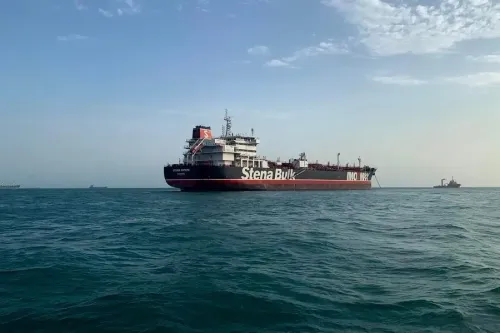
US Attorney Jeanine Pirro reportedly acknowledged the seizure of MT Majestic and MT Tiffany , along with 3.8 million barrels of Iranian oil.
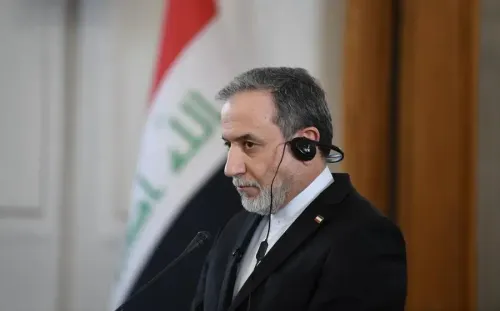
Iran's UN representative Amir Saeid Iravani wrote to the UN Security Council , calling the seizures "maritime piracy" and "illegal coercion." Post-ceasefire talks in Islamabad on 11–12 April collapsed without agreement, triggering the US blockade.
A ceasefire had taken effect on 8 April after 40 days of fighting that reportedly began on 28 February .
Tehran has warned of "practical and unprecedented military action" if the United States continues what it describes as an "illegal" naval blockade and seizure of Iranian vessels in international waters, Iran's state-run Press TV reported on Wednesday, 29 April. A high-ranking security source, cited by Xinhua news agency, stated that Iran's armed forces believe "patience has limits" and that a "punishing response" is imminent if US actions persist.
The Warning from Tehran
According to the unnamed senior security source, if US "obstinacy and delusions" continue and Iran's conditions are rejected, the "enemy" should expect "a different kind of response" to what Tehran characterises as "maritime banditry" in the Strait of Hormuz. Iran's state media has framed the US naval presence as an act of "piracy" rather than a legitimate enforcement operation.
Iran Takes the Matter to the United Nations
In a parallel diplomatic move, Iran's permanent representative to the United Nations, Amir Saeid Iravani, addressed a formal letter to the UN Security Council, describing the US seizures of Iranian vessels as "illegal coercion and interference in legal trade" and characterising them as "maritime piracy." The letter signals Tehran's intent to pursue the dispute through international legal channels alongside its military posturing.
US Seizures of Iranian Vessels
US Attorney for the District of Columbia Jeanine Pirro reportedly acknowledged in a post on X the seizure of two vessels — MT Majestic and MT Tiffany — and the confiscation of 3.8 million barrels of Iranian oil carried aboard them. Washington has not publicly framed these actions as a blockade, though Tehran and its representatives have consistently used that characterisation.
Background: Ceasefire, Collapsed Talks, and the Hormuz Standoff
The current standoff escalated after post-ceasefire negotiations between Iran and the United States, held in Islamabad, Pakistan on 11 and 12 April, failed to produce an agreement. The United States subsequently imposed what Tehran describes as an anti-Iran blockade on the Strait of Hormuz. The ceasefire itself had taken effect on 8 April, following 40 days of fighting that reportedly began on 28 February when the United States and Israel launched joint strikes on Tehran and other Iranian cities, according to Iranian state media. The conflict reportedly killed Iran's then-Supreme Leader Ali Khamenei, senior commanders, and civilians, according to those accounts. Iran responded with waves of missile and drone strikes targeting Israel and US bases and assets across the Middle East, and tightened its control over the Strait of Hormuz.
What Comes Next
With diplomatic talks stalled, Iran's UN letter unacknowledged, and military rhetoric escalating on both sides, the Strait of Hormuz — through which roughly 20% of global oil supply transits — remains a critical flashpoint. Analysts will be watching whether Washington responds to the UN letter or whether Tehran moves beyond rhetoric toward any operational military posture in the coming days.
Point of View
Diplomatic talks already collapsed, and the US openly acknowledging the seizure of Iranian oil tankers, Tehran's red lines are being tested in real time. The Strait of Hormuz threat is not new, but a post-ceasefire confrontation over maritime assets carries far higher escalation risk than the pre-conflict posturing of previous years. The absence of any visible back-channel to de-escalate is the detail mainstream coverage is underplaying.
NationPress
21 Sept 2026
Frequently Asked Questions
Why is Iran threatening military action against the United States?
Iran is threatening military action in response to what it describes as an illegal US naval blockade and the seizure of Iranian oil tankers, including MT Majestic and MT Tiffany, in international waters. A senior Iranian security source, cited by Xinhua, said Iran's patience has limits and a punishing response is imminent if the US continues.
Which Iranian vessels did the US reportedly seize?
According to Iranian state media, the US seized two vessels named MT Majestic and MT Tiffany, confiscating 3.8 million barrels of Iranian oil aboard them. US Attorney for the District of Columbia Jeanine Pirro reportedly acknowledged the seizures in a post on X.
What happened at the Iran-US talks in Islamabad?
Post-ceasefire negotiations between Iran and the United States were held in Islamabad, Pakistan on 11 and 12 April but failed to produce an agreement. The breakdown of those talks preceded the US imposition of what Tehran calls a naval blockade on the Strait of Hormuz.
What is the significance of the Strait of Hormuz in this conflict?
The Strait of Hormuz is one of the world's most critical oil transit chokepoints, through which roughly 20% of global oil supply passes. Iran has historically threatened to close or restrict the strait during periods of heightened tension with the United States and Israel.
What action has Iran taken at the United Nations?
Iran's permanent representative to the UN, Amir Saeid Iravani, sent a formal letter to the UN Security Council describing the US vessel seizures as maritime piracy and illegal interference in legal trade, signalling Tehran's intent to pursue the dispute through international legal channels.