Iran's IRGC Strikes Oil Tanker in Strait of Hormuz Amid Tensions
Synopsis
In a significant escalation of regional tensions, Iran's IRGC has targeted an oil tanker in the Strait of Hormuz. This incident follows recent military actions by the US and Israel and raises questions about maritime security in this vital waterway.
Key Takeaways
IRGC's action: The IRGC targeted an oil tanker for violating navigation warnings.
Maritime security: The Strait of Hormuz remains open but is a focal point of regional tensions.
International navigation: Iran asserts its right to control shipping during wartime.
US-Israel strikes: Recent military actions have heightened the risk of conflict in the region.
Impact on trade: Any disruptions in the Strait could have significant implications for global oil markets.
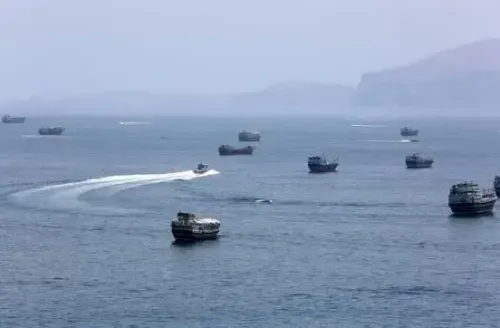
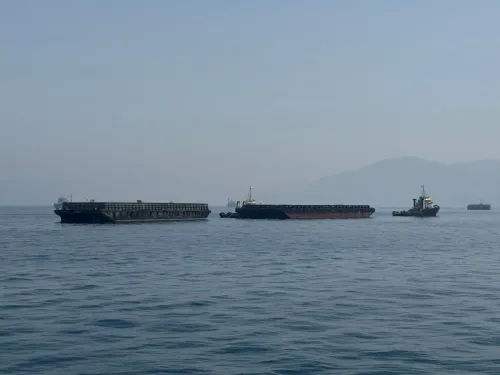
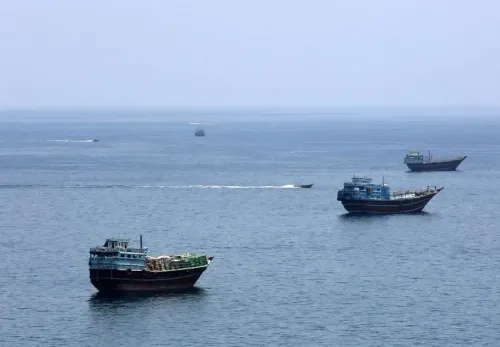
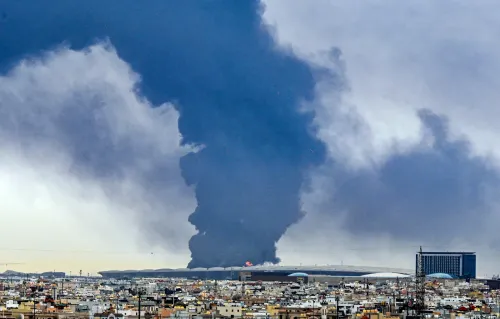
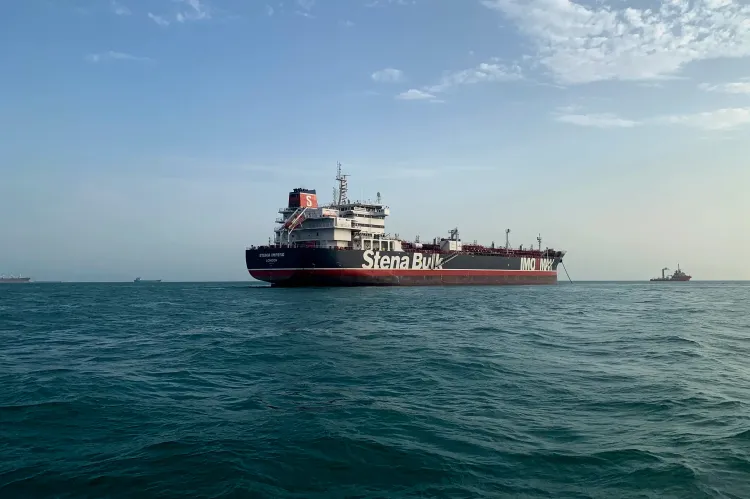
Tehran, March 7 (NationPress) The Islamic Revolution Guards Corps (IRGC) of Iran targeted an oil tanker in the Strait of Hormuz this past Saturday, according to a report from the official news agency IRNA.
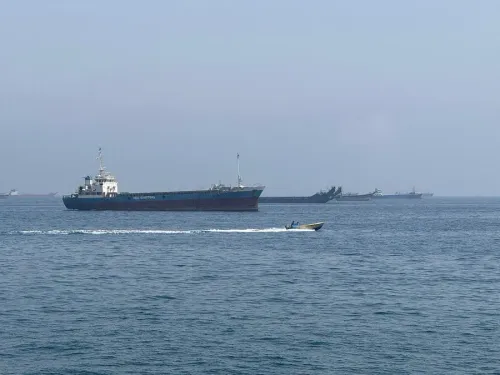
The vessel, identified as 'Prima', was struck by a drone after it ignored multiple warnings from the IRGC's Navy regarding the ban on navigation in the Strait of Hormuz due to security concerns, as reported by Xinhua news agency.
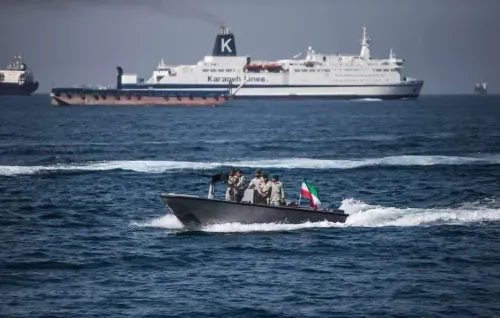
The IRGC stated that the strategic Strait of Hormuz has been "under control" for the last eight days following the commencement of US-Israeli military actions against Iran, including the assassination of Supreme Leader Ali Khamenei. The IRGC emphasized that oil tankers and commercial ships associated with "hostile states" are prohibited from traversing this key maritime route.
On Friday, Iranian officials asserted that there were no intentions to close the Strait of Hormuz and refuted claims suggesting a complete blockade of the strategic waterway.
A senior IRGC officer clarified during a state TV interview that reports of Iran closing the Strait are misleading. "We have faced accusations of shutting down the strait, but in truth, Iran has not closed this important waterway," he explained, adding that Iran aims to manage maritime traffic in accordance with international navigation standards.
Additionally, Iran's state television cited a military source stating that the Strait remains open, while warning that vessels linked to the United States or Israel would be regarded as military targets.
During an international conference in New Delhi, Iran's Deputy Foreign Minister Saeed Khatibzadeh reiterated that the Strait of Hormuz has not been closed and that there are no immediate plans to do so. "Should Iran decide to close the strait, it will be officially announced," he remarked.
On Thursday, various Iranian media outlets reported an Iranian military officer asserting that Iran has not closed the Strait of Hormuz, adding that only warships pretending to be commercial vessels would be intercepted.
However, the IRGC reaffirmed that during wartime, Iran reserves the right to regulate navigation through the strait, prohibiting vessels from the US, Israel, and European nations from passing.
In response to the US and Israel's extensive military strikes on February 28, which resulted in the deaths of Khamenei, numerous senior military leaders, and hundreds of civilians, Iran has retaliated with successive missile and drone assaults targeting US and Israeli interests throughout the region.
Point of View
The incident involving Iran's IRGC and the oil tanker in the Strait of Hormuz underscores the ongoing geopolitical tensions in the region. This event not only highlights Iran's assertive stance in safeguarding its maritime interests but also raises important questions about international navigation rights and regional stability.
NationPress
8 Oct 2026
Frequently Asked Questions
What triggered the IRGC's attack on the tanker?
The IRGC targeted the tanker after it ignored multiple warnings regarding the prohibition of movement in the Strait of Hormuz due to security concerns.
Is the Strait of Hormuz currently closed to navigation?
No, Iranian officials have stated that the Strait of Hormuz remains open for navigation, but vessels associated with the US or Israel are deemed military targets.
What recent events led to heightened tensions in the region?
The tensions escalated following US-Israeli military strikes on Iran, resulting in significant casualties, including the death of Iran's Supreme Leader Ali Khamenei.
How has Iran responded to the recent attacks?
Iran has launched multiple waves of missile and drone strikes targeting US and Israeli assets across the region in retaliation.
What is the significance of the Strait of Hormuz?
The Strait of Hormuz is a crucial maritime route for oil shipments and global trade, making it a strategic area for international navigation.