Three tankers attacked near Strait of Hormuz in a single day, IRGC blamed
Synopsis
Three tankers — including a Qatari LNG vessel and a Saudi crude tanker — were struck near the Strait of Hormuz within 24 hours, with Iran's IRGC reportedly behind the attacks. Qatar has formally held Tehran legally responsible. Most striking: vessels from India, Japan, and the West immediately rerouted to Iran's designated transit lane — a sign that the IRGC's maritime coercion is already reshaping global shipping behaviour.
Key Takeaways
UKMTO confirmed three tanker attacks near the Strait of Hormuz within 24 hours on 7 July .
Targeted vessels include a Saudi-flagged crude oil tanker and a Qatari LNG tanker named Al Rekayyat , which sent distress signals.
Iran's IRGC Navy reportedly struck two tankers for using a US-backed Omani transit route without heeding warnings, per Fars news agency .
Qatar condemned the attack, with foreign ministry spokesperson Majed Al Ansari holding Iran 'fully legally responsible'.
Vessels from India , Japan , and Western nations reportedly altered course to use Iran's designated route following the strikes.
No casualties were reported in any of the three incidents.
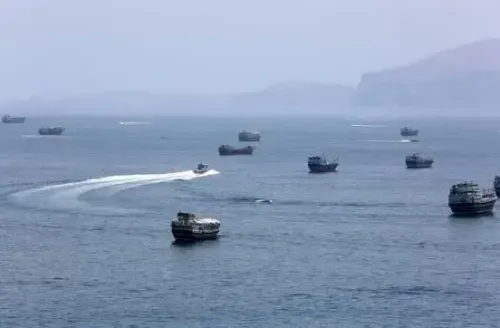
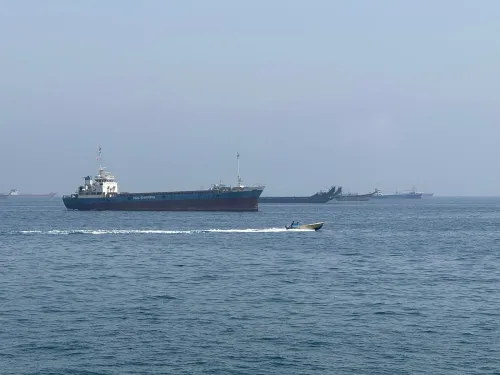
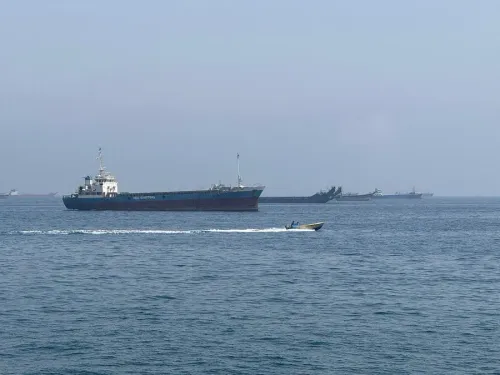
The United Kingdom Maritime Trade Operations (UKMTO) on Tuesday, 7 July confirmed three separate attacks on tankers transiting the Strait of Hormuz within a 24-hour window, with no casualties reported in any of the incidents. The attacks, attributed by Iranian state-linked media to the Islamic Revolutionary Guard Corps (IRGC), struck vessels flagged to Saudi Arabia and Qatar, escalating tensions in one of the world's most critical energy chokepoints.
How the Attacks Unfolded
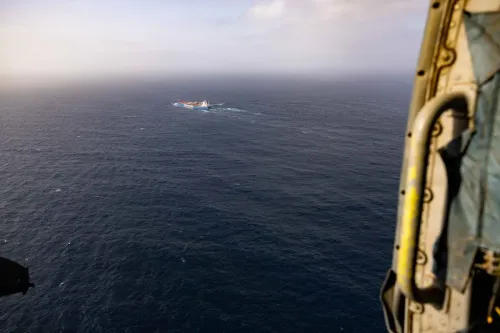
The first incident was reported to UKMTO at 2119 UTC on Monday, when a tanker travelling southbound was struck by an unidentified projectile on its port side, triggering a fire approximately 8 nautical miles east of Limah, Oman. A second tanker was hit by another unidentified projectile on Tuesday and is believed to have sustained structural damage. In the third incident, reported at 1305 UTC on Tuesday, a tanker struck by a drone sustained minor structural damage but continued towards its next port of call.
Vessels Identified, Iran Claims Responsibility
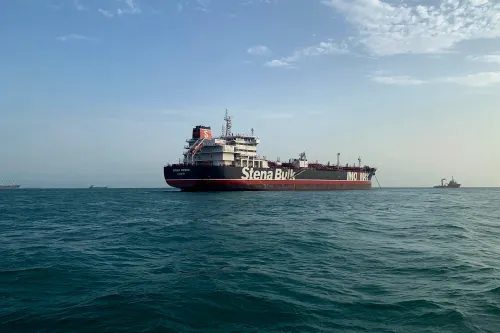
According to sources familiar with the matter, two of the three targeted vessels have been identified: a Saudi-flagged crude oil tanker and a Qatari liquefied natural gas (LNG) tanker named Al Rekayyat. The Al Rekayyat reportedly sent out distress signals after being hit. Iran's semi-official Fars news agency reported that the IRGC Navy targeted two tankers on Monday night after they allegedly attempted to transit the strait via a US-backed Omani route without heeding Iranian warnings. Citing satellite imagery from independent military observer account MenchOsint on X, Fars reported that vessels from Japan, India, and several Western nations subsequently altered course to use Iran's designated transit route.
Qatar Condemns Attack, Holds Iran Legally Responsible
Qatar on Tuesday condemned the attack on the Al Rekayyat, describing it as a violation of international law and a direct threat to global maritime navigation and energy security. In a statement posted on X, Majed Al Ansari, spokesperson for the Qatari foreign ministry, said Qatar holds Iran 'fully legally responsible' for the attack and any resulting damage, urging Tehran to immediately halt all such actions.
Why the Strait of Hormuz Matters
The Strait of Hormuz is the world's most critical oil transit chokepoint, with roughly 20% of global petroleum liquids passing through it annually, according to the US Energy Information Administration. Any sustained disruption to shipping in the strait carries immediate implications for global crude prices and energy supply chains. This is not the first time the IRGC has been linked to tanker incidents in the region — a pattern of such attacks has recurred since 2019, often coinciding with escalations in US-Iran tensions. Notably, the reported shift in vessel routes following Monday night's strikes signals that the IRGC's maritime pressure tactics are already altering commercial shipping behaviour.
What Happens Next
The incidents are expected to draw sharp responses from the United States, European Union, and Gulf states. Shipping insurers are likely to reassess war-risk premiums for vessels transiting the strait. Diplomatic pressure on Tehran from Doha and Riyadh is expected to intensify, though Iran has not officially confirmed or denied the specific attacks beyond the Fars report.
Point of View
Japan, and the West quietly rerouted to Iran's designated lane. That is a tangible victory for IRGC coercion — achieved without a single diplomatic concession from Tehran. For India, which depends heavily on Gulf energy imports and whose vessels were among those that changed course, the episode raises uncomfortable questions about how New Delhi navigates a strait increasingly policed by Iranian military pressure. The pattern since 2019 is clear: IRGC tanker incidents tend to escalate when US-Iran nuclear or sanctions diplomacy stalls. Without a credible multilateral maritime deterrence framework, the Strait of Hormuz will remain a lever Tehran can pull whenever it needs leverage.
NationPress
6 Oct 2026
Frequently Asked Questions
What happened near the Strait of Hormuz on 7 July?
The UKMTO confirmed three separate attacks on tankers transiting the Strait of Hormuz within 24 hours on 7 July. The targeted vessels included a Saudi-flagged crude oil tanker and a Qatari LNG tanker named Al Rekayyat, with no casualties reported in any incident.
Who is responsible for the Strait of Hormuz tanker attacks?
Iran's IRGC Navy has been cited by Iran's semi-official Fars news agency as having targeted two tankers that used a US-backed Omani transit route without heeding warnings. Qatar has formally held Iran fully legally responsible for the attack on its vessel, the Al Rekayyat.
What is the Al Rekayyat and why does it matter?
The Al Rekayyat is a Qatari liquefied natural gas tanker that was reportedly struck and sent out distress signals during the attacks. Qatar's foreign ministry has demanded Iran immediately cease such actions and holds Tehran legally accountable for all resulting damage.
How did other ships respond to the attacks?
According to reports citing satellite imagery, vessels from India, Japan, and several Western countries altered their course after the attacks and switched to the transit route designated by Iran, suggesting the IRGC's pressure tactics are already influencing commercial shipping behaviour.
Why is the Strait of Hormuz strategically important?
The Strait of Hormuz is the world's most critical oil transit chokepoint, with approximately 20% of global petroleum liquids passing through it annually. Any sustained disruption directly threatens global energy supply chains and crude oil prices.