US Central Command strikes Iran after Strait of Hormuz ship attacks
Synopsis
The US military launched direct strikes on Iran on 8 July after three commercial tankers — including a Saudi crude oil carrier and a Qatari LNG vessel — were attacked in the Strait of Hormuz. It is among the most significant direct US military actions against Iran in years, and with Bandar Abbas and Qeshm Island already reporting explosions, the risk of a broader confrontation over the world's most critical oil chokepoint is now live.
Key Takeaways
US Central Command launched strikes against Iran on 8 July in response to attacks on three commercial vessels in the Strait of Hormuz .
The UKMTO confirmed three separate tanker incidents; no casualties were reported in any of them.
Two of the three vessels identified include a Saudi-flagged crude oil tanker and a Qatari LNG tanker .
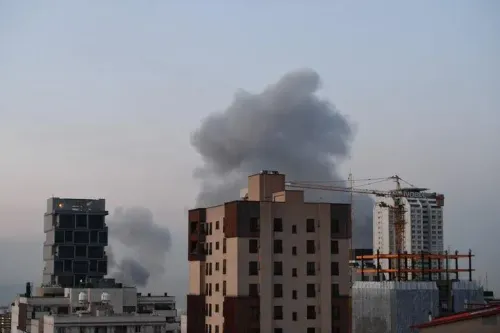
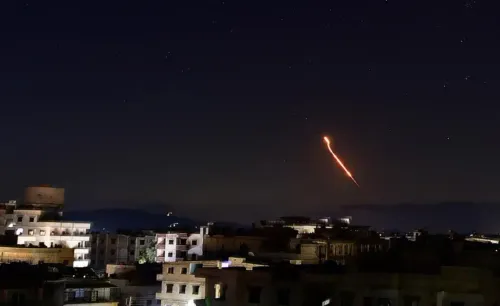
Explosions were reported near Qeshm Island , Bandar Abbas , and Sirik following the US strikes.
Iran's IRGC claimed it targeted the vessels after they ignored warnings while using a 'US-backed Omani route.' The Strait of Hormuz handles roughly one-fifth of global oil trade, raising immediate energy market concerns.
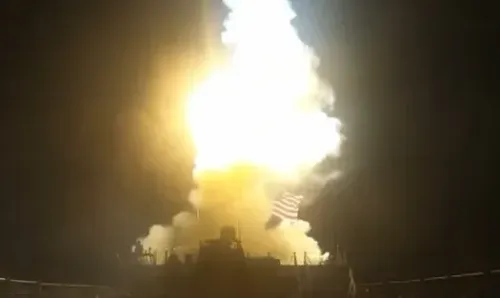
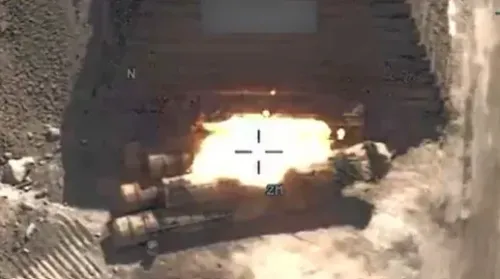
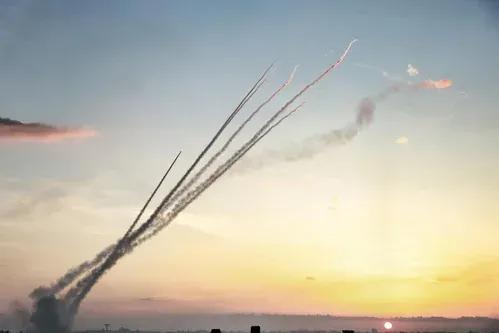
US Central Command forces began launching what officials described as 'a series of powerful strikes against Iran' on Tuesday, 8 July, after three commercial vessels were attacked while transiting the Strait of Hormuz, one of the world's most critical oil shipping lanes. The strikes mark a significant military escalation between Washington and Tehran over the security of international commercial shipping.
What the US Military Said
The US Central Command confirmed the strikes in a post on X, stating that forces had 'begun launching a series of powerful strikes against Iran to impose heavy costs for targeting and attacking commercial shipping crewed by innocent civilians in an international waterway.' The command explicitly framed the action as a direct response to Iranian attacks on the three vessels transiting the strait.
The Three Ship Attacks
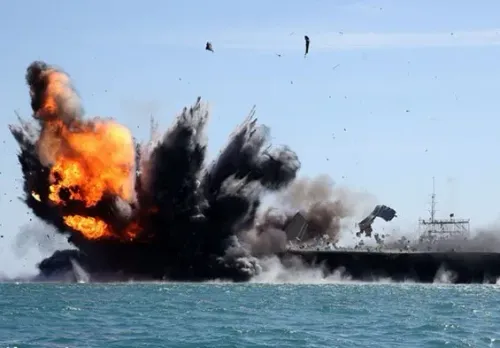
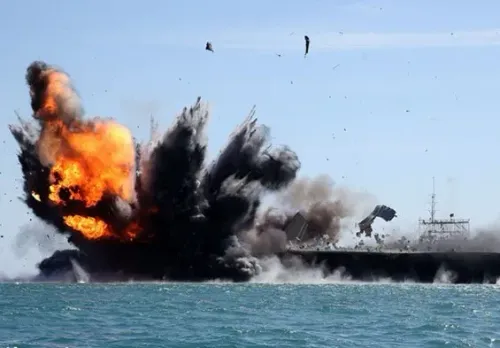
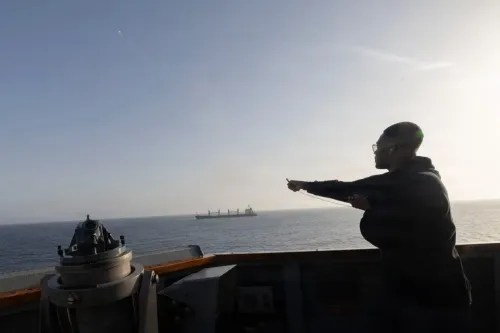
The United Kingdom Maritime Trade Operations (UKMTO) reported three separate incidents involving tankers in the Strait of Hormuz, with no casualties recorded in any of them. In the first incident, reported at 2119 UTC on Monday, a tanker travelling southbound was struck by an unidentified projectile on the port side, triggering a fire approximately 8 nautical miles east of Limah, Oman. A second tanker was subsequently hit by an unidentified projectile and reportedly sustained structural damage. In the third and most recent incident, reported at 1305 UTC on Tuesday, a tanker struck by a drone sustained minor structural damage but continued towards its next port of call.
According to sources familiar with the matter, two of the three vessels have been identified: one is a Saudi-flagged crude oil tanker and the other is a Qatari liquefied natural gas (LNG) tanker.
Iran's Account of Events
Iran's semi-official Fars news agency reported on Tuesday that the Navy of Iran's Islamic Revolution Guard Corps (IRGC) had targeted two tankers on Monday night that were attempting to cross the Strait of Hormuz via what it described as a 'US-backed Omani route,' claiming the vessels had failed to heed warnings. Tehran's framing positions the incidents as enforcement actions rather than unprovoked attacks — a characterisation sharply at odds with the US and UKMTO accounts.
Explosions Near Iranian Ports
Explosions were heard near Qeshm Island and the port cities of Bandar Abbas and Sirik following the US strikes, according to reports citing Iranian state outlet Press TV. These locations are strategically significant — Bandar Abbas is Iran's largest port and a key hub for IRGC naval operations in the Persian Gulf.
What Happens Next
The Strait of Hormuz handles an estimated one-fifth of global oil trade, and any sustained military confrontation in the waterway risks immediate disruption to energy markets and global supply chains. The strikes represent the most direct US military action against Iran in years, and the risk of further escalation — including Iranian retaliation against US assets in the region — remains elevated. International shipping operators and energy markets are closely monitoring developments.
Point of View
Invoking freedom of navigation principles that have broad international backing. But the IRGC's counter-narrative, that the tankers ignored warnings on a contested route, signals Tehran will not absorb these strikes quietly. The choice of targets — Bandar Abbas and Qeshm Island, both central to IRGC naval logistics — suggests Washington is hitting capability, not just signalling. What mainstream coverage risks underplaying is the Saudi and Qatari dimension: two Gulf states whose tankers were hit are US security partners, which transforms this from a bilateral US-Iran confrontation into a potential regional flashpoint. Oil markets will price in the risk before diplomats can contain it.
NationPress
6 Oct 2026
Frequently Asked Questions
Why did the US launch strikes against Iran on 8 July?
The US Central Command launched the strikes in direct response to Iranian attacks on three commercial tankers transiting the Strait of Hormuz. The command stated the action was intended to 'impose heavy costs' on Iran for targeting civilian-crewed vessels in an international waterway.
What happened to the three tankers in the Strait of Hormuz?
Three commercial tankers were struck in separate incidents reported by the UKMTO on Monday and Tuesday. One caught fire after being hit by a projectile, a second sustained structural damage, and a third suffered minor structural damage from a drone strike. No casualties were reported in any of the three incidents.
Which vessels were attacked in the Strait of Hormuz?
Two of the three attacked vessels have been identified, according to sources familiar with the matter: a Saudi-flagged crude oil tanker and a Qatari liquefied natural gas tanker. The identity of the third vessel has not been confirmed.
What is Iran's position on the tanker incidents?
Iran's semi-official Fars news agency reported that the IRGC Navy targeted two tankers that attempted to cross the Strait of Hormuz via a 'US-backed Omani route' after they allegedly failed to heed warnings. Iran's account directly contradicts the US and UKMTO characterisation of the incidents as unprovoked attacks.
Where did the US strikes hit inside Iran?
Explosions were reported near Qeshm Island and the port cities of Bandar Abbas and Sirik following the US military action, according to reports citing Iranian state media. Bandar Abbas is Iran's largest port and a key base for IRGC naval operations.