Iran warns of 'decisive, swift' response to US moves in Strait of Hormuz
Synopsis
Iran's top military command has drawn a hard red line over the Strait of Hormuz, warning the US of a 'decisive and swift' response to any interference — and ordering all vessels to use Iran-designated routes. With CENTCOM just days earlier rallying 12 nations in Bahrain over Gulf security, Tehran's escalating rhetoric signals a direct collision course over who controls one of the world's most critical oil chokepoints.
Key Takeaways
Iran's Khatam al-Anbiya Central Headquarters warned on 2 July of a 'decisive and swift' response to any US interference in the Strait of Hormuz .
All oil tankers and commercial vessels must use Iran-designated routes or face an 'immediate and decisive' military response, according to the statement.
Iran declared the continued presence of US manned and unmanned aircraft over the strait a source of insecurity.
Deputy Foreign Minister Kazem Gharibabadi posted on X that the strait is under Iran's command, not CENTCOM's .
CENTCOM had held a 'security dialogue' in Bahrain with officials from 12 countries just a day earlier, focused on free commerce through the strait.
Tehran demanded the US cease interventions and withdraw from the region as a precondition for Gulf security.
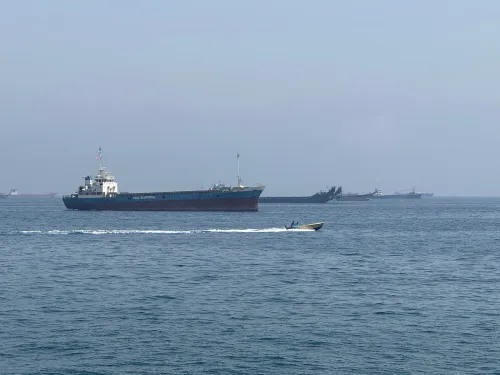
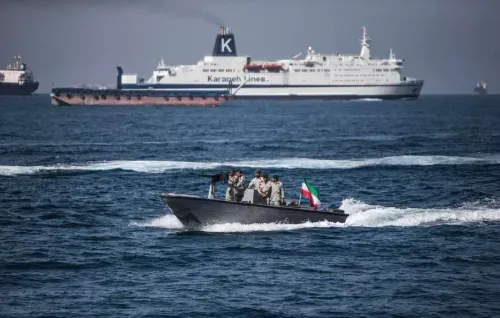
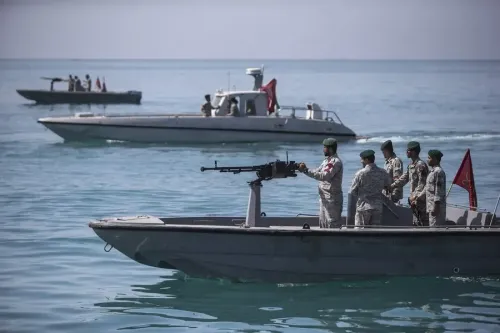
Iran's Khatam al-Anbiya Central Headquarters, the country's principal military command, on Thursday, 2 July issued a sharp warning that any US interference in the Strait of Hormuz will be met with a 'decisive and swift' response from Iranian armed forces. The statement underscores Tehran's hardening posture over one of the world's most strategically vital waterways, through which roughly 20% of global oil trade passes.
Key Warning from Iran's Military Command
In an official statement carried by Iranian state media, the Khatam al-Anbiya Central Headquarters declared that the Strait of Hormuz is not what it called an 'aggressive US playground', but rather territory under Iran's 'undisputed sovereignty'. The command stressed that the strait's security and stability constitute a red line for the Iranian military.
The headquarters further warned that all oil tankers and commercial vessels transiting the strait must use routes designated by Iran. Any non-compliance, use of alternative routes, or disregard for Iran's navigation protocols, it cautioned, will invite an 'immediate and decisive' response — directly endangering the safety of violating vessels.
Iran's Stand on US Military Presence
The command singled out the continued presence of US manned and unmanned aircraft over the waterway as a source of insecurity, warning that Iran will not hesitate to take necessary actions to 'crush any aggression' by US forces or their supporters. Tehran framed any American attempt to interfere in security affairs or cause disruption in the strait as a direct threat to its national security.
Iran's Deputy Foreign Minister Weighs In
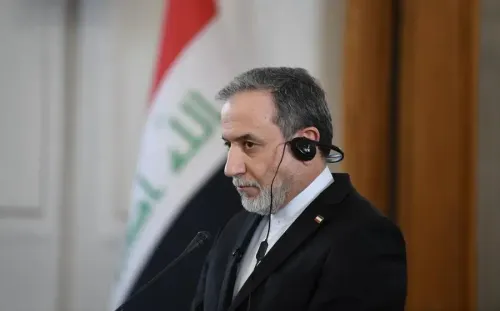
Kazem Gharibabadi, Iran's Deputy Foreign Minister for Legal and International Affairs, reinforced the military's position in a post on social media platform X, stating that the Strait of Hormuz is 'defined under Iran's command, not the US Central Command (CENTCOM).'
His remarks came a day after CENTCOM convened a 'security dialogue' in Bahrain with military officials from 12 countries, which discussed regional security, expanded defence collaboration, and reaffirmed commitment to the free flow of commerce through the strait. Gharibabadi dismissed the Bahrain meeting as incapable of creating 'legal order and security' for the Gulf.
Tehran's Broader Geopolitical Demand
Gharibabadi argued that security in West Asia will only be achieved after the United States ceases its interventions, withdraws from the region, respects national sovereignty, and accepts what he described as 'new geopolitical realities.' This positions Tehran's stance not merely as a tactical military warning but as a broader political demand for a US drawdown from the region.
This is not the first time Iran has issued such warnings — Tehran has periodically threatened to close or restrict the strait during periods of heightened tension with Washington, most recently during the nuclear deal standoffs. With CENTCOM actively deepening multilateral security ties in the Gulf, the latest Iranian statements signal that tensions over the strait are unlikely to ease in the near term.
Point of View
Giving Tehran rhetorical leverage without an immediate trigger for escalation. But the timing, one day after CENTCOM's 12-nation Bahrain dialogue, is unmistakably deliberate. What mainstream coverage often misses is the legal dimension: Iran's claim of sovereign authority over Hormuz transit routes directly contradicts international maritime law under UNCLOS, which guarantees transit passage rights. That contradiction is the real flashpoint — not just the military posturing. If Washington presses the UNCLOS argument and Tehran doubles down on its navigation protocols, the next incident in the strait could escalate far faster than either side intends.
NationPress
1 Oct 2026
Frequently Asked Questions
What did Iran warn regarding the Strait of Hormuz?
Iran's Khatam al-Anbiya Central Headquarters warned on 2 July that any US interference in the Strait of Hormuz will be met with a 'decisive and swift' response from Iranian armed forces. The command also stated that vessels must use Iran-designated routes or face an 'immediate and decisive' military reaction.
Why is the Strait of Hormuz strategically important?
The Strait of Hormuz is one of the world's most critical oil chokepoints, with roughly 20% of global oil trade passing through it. Control over or disruption of the strait has major implications for global energy markets and regional security.
What did Iran's deputy foreign minister say about CENTCOM?
Deputy Foreign Minister Kazem Gharibabadi posted on X that the Strait of Hormuz is 'defined under Iran's command, not the US Central Command (CENTCOM).' He made the remarks in direct response to CENTCOM's security dialogue with 12 nations in Bahrain.
What was the CENTCOM Bahrain meeting about?
CENTCOM led a 'security dialogue' in Bahrain with military officials from 12 countries, discussing regional security, expanding defence collaboration, and reaffirming commitment to free commerce through the Strait of Hormuz. Iran dismissed the meeting as incapable of creating legal order in the Gulf.
What does Iran want from the United States in the region?
Iran has demanded that the United States stop its regional interventions, withdraw its military presence, respect national sovereignty, and accept what Tehran calls 'new geopolitical realities' — framing these as preconditions for genuine security in West Asia.