Iran Warns US: Stop Strait of Hormuz Blockade or Face Retaliation
Synopsis
Iran's supreme military command has warned the US of severe retaliation if the naval blockade on the Strait of Hormuz continues, even as Tehran's foreign minister held war-and-ceasefire talks with Pakistan's army chief in Islamabad — signalling a crisis that could reshape global energy markets and regional diplomacy.
Key Takeaways
Iran's Khatam al-Anbiya Central Headquarters warned on April 26, 2025 that it will retaliate if the US naval blockade on the Strait of Hormuz continues.
The statement said Iran's armed forces are more prepared than ever and will inflict "more severe damage" on US and Israeli forces if aggression is repeated.
A ceasefire between Iran, the US, and Israel was reached on April 8 after 40 days of fighting , but subsequent talks in Islamabad on April 11–12 failed to yield an agreement.
Iranian Foreign Minister Seyed Abbas Araghchi met Pakistan Army Chief General Asim Munir in Islamabad on April 26 to discuss ceasefire and war-end scenarios.
Iran has controlled the Strait of Hormuz since February 28 , barring passage to vessels affiliated with Israel and the United States .
Tehran refused to attend a fresh round of Iran-US peace talks in Pakistan this week, citing the ongoing blockade and "excessive US demands" as deal-breakers.
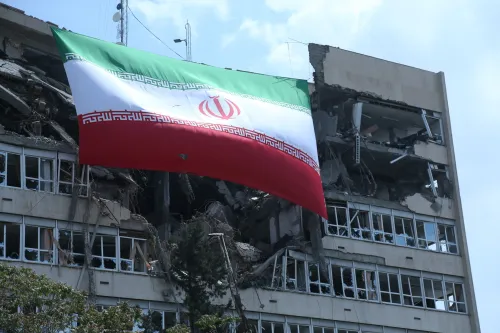
Tehran, April 26: Iran's supreme military authority, Khatam al-Anbiya Central Headquarters, issued a sharp warning on Saturday that it will retaliate if the United States persists with what it described as a "blockade, banditry, and piracy" campaign in the West Asia region. The statement, carried by Iranian state media and reported by Xinhua news agency, specifically cited the US naval blockade on the Strait of Hormuz and actions taken against Iran-bound vessels over the past several days as the primary provocations.
Iran's Military Issues Direct Warning to Washington
Khatam al-Anbiya Central Headquarters declared that Iran's armed forces are "more powerful and prepared than ever before" to defend the country's national sovereignty, territorial integrity, and strategic interests. The statement pointedly reminded Washington that the US military had already experienced a portion of Iran's offensive capabilities during the recent conflict.
The command added that its forces are actively monitoring "enemies' behavior and movements" across the region while maintaining management and control over the Strait of Hormuz. It warned that any repeat of US or Israeli "aggression" would invite "more severe damage" than what had been previously inflicted.
Separately, Saudi state-linked Al Arabiya News, citing an unnamed source, reported that Iran will not accept negotiations that involve red lines unilaterally set by the United States — a signal that diplomatic progress remains deeply stalled.
Iran's Foreign Minister Holds Key Talks in Islamabad
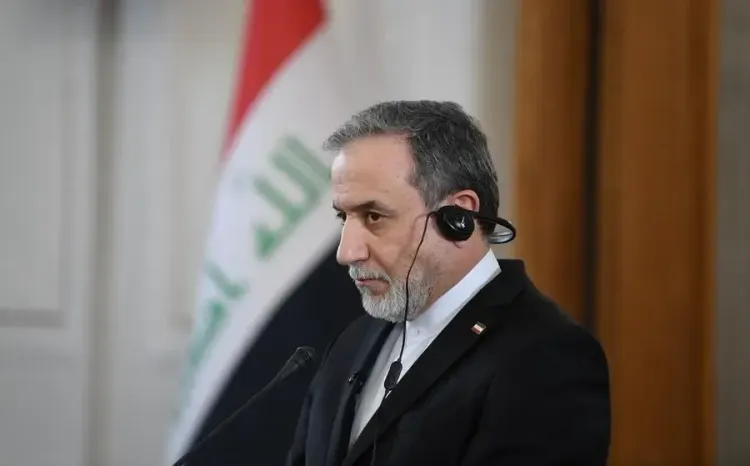
Iranian Foreign Minister Seyed Abbas Araghchi, who arrived in Islamabad on Friday night leading a diplomatic delegation, met with Pakistan's Army Chief General Asim Munir on Saturday. According to the semi-official Tasnim news agency, the discussions covered Iran's position on ending the war, ceasefire dynamics with the United States and Israel, and avenues for expanding bilateral cooperation to reinforce peace and stability in the West Asia region.
Pakistan has emerged as a key diplomatic venue in this crisis, having hosted Iranian and US delegations for talks on April 11–12 — negotiations that ultimately failed to produce a formal agreement.
Timeline: How the Strait of Hormuz Became a Flashpoint
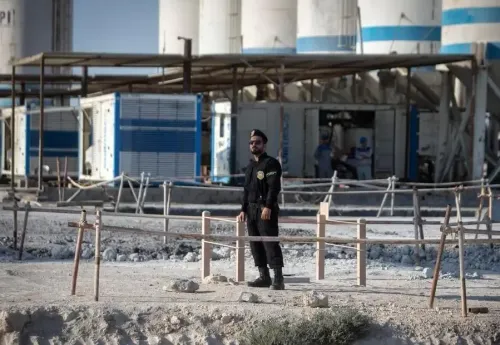
Iran began tightening its grip over the Strait of Hormuz from February 28, barring passage to vessels belonging to or affiliated with Israel and the United States following joint strikes by the two countries on Iranian territory. This choke point is critical — roughly 20% of global oil trade transits the strait, making any disruption here an immediate concern for energy markets worldwide.
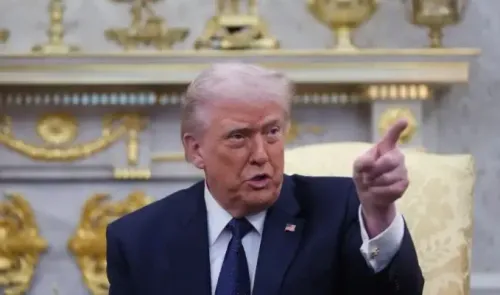
A ceasefire between Iran, the United States, and Israel was reached on April 8 after 40 days of intense fighting. However, the truce proved fragile. The US subsequently imposed its own naval blockade on the waterway, reigniting tensions that the ceasefire had only temporarily cooled.
A fresh round of Iran-US peace talks in Pakistan was reportedly scheduled for this week, but Tehran pulled out, citing the ongoing US naval blockade and what it called "excessive demands" from Washington as deal-breakers.
Strategic Stakes: Why the Strait of Hormuz Matters Globally
The Strait of Hormuz is arguably the world's most strategically sensitive maritime chokepoint. Any prolonged military standoff here carries immediate consequences for global oil prices, shipping insurance rates, and energy security across Asia, Europe, and beyond. India, which sources a significant portion of its crude oil imports from the Persian Gulf, is particularly exposed to any escalation.
Critics argue that the US naval blockade — imposed after the ceasefire — effectively handed Iran's hardliners a justification to walk away from the negotiating table, undermining the very diplomatic process that Washington claims to support. This contradiction between military pressure and diplomatic outreach has been a recurring pattern in US-Iran relations over the past two decades.
Notably, Iran's decision to route its diplomatic engagement through Pakistan — rather than a traditional neutral venue like Oman, which facilitated the 2015 JCPOA backchannel — signals a deliberate effort to involve Islamabad as a regional stakeholder and potential mediator, adding a new dimension to Pakistan's foreign policy calculus.
What Comes Next
With both sides hardening their positions, the immediate outlook for a negotiated settlement appears bleak. Iran's refusal to attend the latest round of talks, combined with its military's escalatory rhetoric, suggests that Tehran is calibrating pressure to extract concessions before returning to the table. The next critical test will be whether the US eases its naval blockade — a move that could unlock fresh diplomacy — or doubles down, risking a broader military confrontation in one of the world's most consequential waterways.
Point of View
Designed to negotiate from a position of strength rather than desperation. The deeper irony is stark: the US imposed a naval blockade after a ceasefire it helped broker, handing Tehran's hardliners the perfect pretext to abandon talks and rally domestic support. Washington's dual strategy of military pressure and diplomatic engagement has historically failed with Iran, and this episode suggests no lessons have been learned. For India, which depends heavily on Gulf oil and has deep stakes in regional stability, the escalation in the Strait of Hormuz is not a distant geopolitical drama — it is a direct economic and strategic risk that New Delhi cannot afford to ignore.
NationPress
27 Sept 2026
Frequently Asked Questions
Why is Iran threatening the United States over the Strait of Hormuz?
Iran's military command issued the threat in response to a US naval blockade on the Strait of Hormuz that prevents vessels travelling to and from Iranian ports from using the waterway. Tehran considers this blockade an act of 'piracy' and has warned of severe retaliation if it continues.
What is the current status of the Iran-US ceasefire?
A ceasefire between Iran, the United States, and Israel was reached on April 8, 2025, after 40 days of fighting. However, subsequent peace talks in Islamabad on April 11–12 failed to produce an agreement, and Iran has since refused to attend a fresh round of negotiations.
Why did Iran refuse to attend the latest peace talks with the US?
Iran cited the US's continued naval blockade on the Strait of Hormuz and what it described as 'excessive demands' from Washington as the primary reasons for refusing to participate in the new round of talks. Tehran says it will not accept negotiations involving US-set red lines.
What role is Pakistan playing in the Iran-US conflict?
Pakistan has emerged as a key diplomatic venue, having hosted Iran-US talks in Islamabad on April 11–12. Iranian Foreign Minister Seyed Abbas Araghchi met Pakistan's Army Chief General Asim Munir on April 26 to discuss ceasefire terms and bilateral cooperation for regional stability.
How does the Strait of Hormuz blockade affect global oil supply?
The Strait of Hormuz is the world's most critical oil shipping chokepoint, with roughly 20% of global oil trade passing through it. Any prolonged military standoff or blockade in this waterway can trigger sharp spikes in global oil prices and disrupt energy supplies to major importers including India.