Escalating Iran Tensions: Rising Oil Prices and Shipping Threats

Synopsis
As tensions over Iran and the Strait of Hormuz escalate, global energy markets face severe pressure. Oil prices are climbing sharply, and shipping routes are threatened, raising concerns about economic stability and food security worldwide. This situation demands urgent attention.
Key Takeaways
Oil prices surged due to escalating tensions over Iran.
The Strait of Hormuz is a critical shipping route for global oil trade.
Shipping disruptions threaten global food security and economic stability.
Gasoline and jet fuel prices in the US have significantly increased.
Ongoing diplomatic efforts face challenges as Iran remains firm on its demands.
Washington, April 6 (NationPress) The global energy landscape and supply chains are feeling the heat as tensions regarding Iran and the Strait of Hormuz intensify. This situation has led to a significant increase in oil prices, raising concerns over potential disruptions to one of the planet's most essential shipping lanes.
Oil prices surged following a warning from US President Donald Trump, who threatened military action against Iranian energy assets if Iran does not reopen the Strait of Hormuz, according to CNN.
As reported, "Oil prices jumped on Sunday after President Trump threatened to target Iranian energy facilities if the Strait of Hormuz remains closed," with Brent crude climbing by 1.4% to $110.60 and US crude rising by 1.8% to $113.60.
The Strait of Hormuz, a narrow passageway lying between Iran and Oman, serves as a crucial route for global oil trade. Disruptions in this area can trigger immediate repercussions across various markets.
The Washington Post indicates that approximately 20% of the world's oil supply transits through this strait annually, establishing it as one of the most strategically vital chokepoints globally.
Current tensions have already begun to impact shipping operations. A senior Bahraini official has indicated that Iranian actions have severely diminished tanker traffic, raising broader concerns about global supply chains, as noted by Fox News.
According to Bahrain's foreign minister, "Iran's obstruction of shipping through the Strait of Hormuz has resulted in a more than 90% reduction in tanker movements, jeopardizing global food security and economic stability," as reported.
The ramifications extend beyond energy markets. Disruptions in maritime trade are also affecting food and fertilizer supply chains, prompting officials to warn of cascading effects worldwide.
The Bahraini minister emphasized that the crisis has escalated beyond initial threats to vessels and now presents a widespread risk to global stability, stating that the repercussions are no longer confined to energy markets.
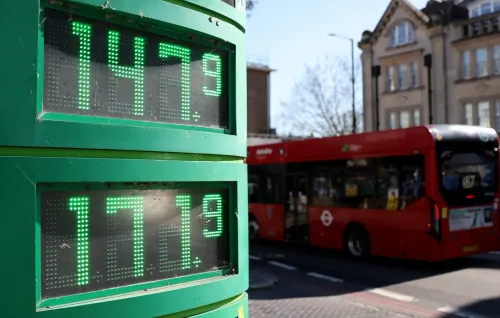
Market volatility is evident in fuel prices, with gasoline prices in the United States soaring due to rising crude oil costs attributed to the ongoing conflict.
As reported by Fox News, the national average for gasoline has increased to around $4.11 per gallon, marking a sharp rise in recent weeks across nearly all regions, with some areas significantly exceeding the national average.
"Gas prices continue to rise as the ongoing conflict with Iran drives up crude oil prices," the report stated.
Additionally, jet fuel prices have surged, increasing operational costs for airlines and raising the likelihood of higher airfares and diminished flight capacity.
According to Fox News, US jet fuel prices have skyrocketed at one of the fastest rates in years, more than doubling within weeks, based on industry data.
Analysts warn that prolonged disruption in the Strait of Hormuz could further strain global logistics, particularly for energy-importing nations in Asia and Europe.
Beyond immediate price spikes, the situation is creating uncertainty in global financial markets. As reported by The New York Times, oil markets have responded to recent developments with escalating prices and heightened economic concerns.
The price of Brent crude reportedly rose to approximately $111 on Sunday, indicating that the ongoing conflict has unsettled markets already sensitive to supply disruptions.
This escalation occurs amidst uncertain diplomatic efforts to resolve the standoff. According to CNN, Oman has been engaged in last-ditch negotiations with Iran, with regional players including Pakistan also participating in discussions.
Despite these diplomatic initiatives, Iran has indicated that it will maintain the closure of the strait until its demands are fulfilled, increasing the risk of further escalation.
A senior Iranian official stated that the waterway "will remain obstructed until Iran receives compensation for war damages," according to CNN.
The crisis has also prompted warnings from energy producers and international organizations. Members of OPEC+ have expressed concerns regarding damage to energy infrastructure and the risk of extended supply disruptions, according to The New York Times.
"Restoration of damaged energy assets to full capacity is both expensive and time-consuming," the group stated in a communication cited by the newspaper.
Point of View
The current situation surrounding Iran and the Strait of Hormuz is pivotal. The escalating tensions and rising oil prices not only threaten energy markets but also have broader implications for global stability and economic health. It is crucial to monitor these developments closely, as they affect both national interests and international relations.
NationPress
28 Jul 2026
Frequently Asked Questions
What is the significance of the Strait of Hormuz?
The Strait of Hormuz is a vital waterway for global oil trade, with around 20% of the world's oil supply passing through it each year.
How are rising oil prices affecting the US economy?
Rising oil prices lead to increased gasoline costs, which directly impact consumers and can strain the overall economy.
What are the potential consequences of disruptions in shipping routes?
Disruptions in shipping routes can lead to global supply chain issues, affecting not only energy but also food and fertilizer availability.
What actions have been taken regarding the Iran crisis?
Diplomatic efforts, including last-ditch talks by Oman, are ongoing, but Iran has indicated it will maintain the closure of the Strait unless its demands are met.
How has the conflict impacted global financial markets?
The ongoing conflict has created uncertainty in global financial markets, leading to rising oil prices and broader economic concerns.