Iran Shuts Down the Strait of Hormuz: Crude Oil Prices Set to Surge
Synopsis
Iran's closure of the Strait of Hormuz has sent shockwaves through the global oil market, with prices expected to soar as shipping routes face unprecedented risks. This escalation follows military actions and retaliatory strikes, raising concerns about future oil supply stability.
Key Takeaways
Strait of Hormuz officially closed by Iran.
Crude oil prices expected to rise sharply.
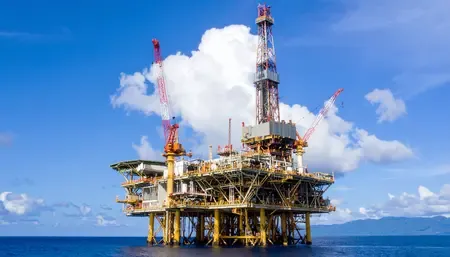
20% of global oil supply passes through the strait.
Significant implications for nations reliant on oil imports.
US plans to address rising oil prices and ensure shipping safety.
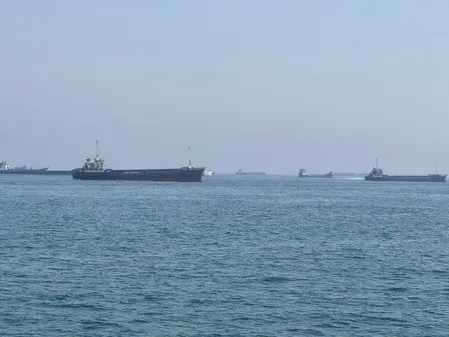
New Delhi, March 3 (NationPress) In a significant escalation, Iran has declared the official closure of the Strait of Hormuz, issuing a stark warning to oil vessels. This development is anticipated to drive crude oil prices to unprecedented heights in the near future.
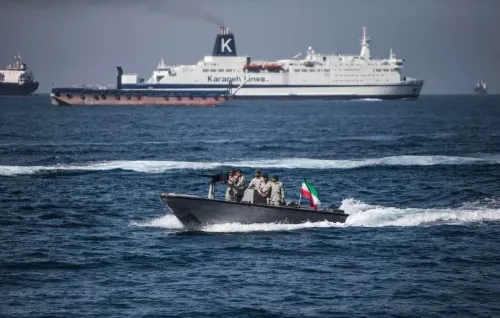
Officials from Iran disclosed to state media that the strait is now off-limits, stating that any attempt to traverse it will result in the Revolutionary Guards and the regular navy taking decisive action, potentially leading to ships being set ablaze.
Approximately 20% of the world’s daily oil supply passes through this vital waterway, which is only about 33 kilometers (21 miles) at its narrowest.
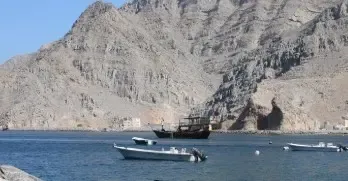
This strait serves as a crucial conduit for major oil producers, including Saudi Arabia, Iran, Iraq, and the United Arab Emirates, linking them to the Gulf of Oman and the Arabian Sea.
Market analysts are expressing concerns, as the oil market reacts anxiously to this latest move, fearing that an extended conflict could disrupt global oil supplies and destabilize this critical energy corridor.
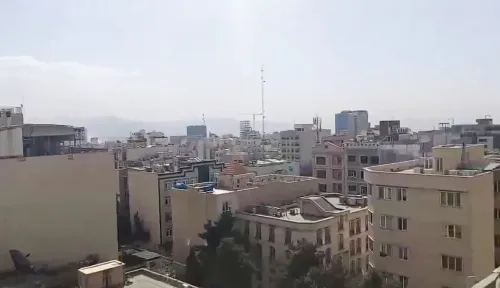
The closure comes in response to recent military actions by the United States and Israel against Iran, which have aimed at undermining its leadership. In retaliation, Iran has launched a series of missile attacks targeting Gulf states.
As a result, shipowners are reportedly demanding over $200,000 per day for liquefied natural gas (LNG) tankers in the Atlantic Basin, nearly doubling the usual price, following Qatar’s shutdown of LNG production amidst rising tensions.
In early trading on Tuesday, crude oil prices rose by 1%, following a sharp increase of over 10% on Monday as markets reopened amidst the escalating conflict in West Asia.
This escalation is particularly significant for India, which relies on imports for nearly 90% of its oil needs, amounting to $160 billion in oil imports during FY25.
The United States has announced a strategy to mitigate soaring oil prices and ensure the safety of global shipping routes while continuing its strikes aimed at crippling Iran’s missile capabilities and naval strength.
Secretary of State Marco Rubio commented at the US Capitol that the markets are responding to regional events, but reassured that Washington had anticipated these developments.
Point of View
It is vital to highlight the implications of Iran's closure of the Strait of Hormuz, a crucial chokepoint for global oil supplies. This development not only affects regional stability but also has significant repercussions for nations dependent on oil imports, including India. The situation demands close monitoring as it evolves.
NationPress
20 Sept 2026
Frequently Asked Questions
What percentage of global oil passes through the Strait of Hormuz?
Approximately 20% of the world's daily oil consumption is transported through the Strait of Hormuz.
Why has Iran closed the Strait of Hormuz?
Iran has closed the strait in response to military actions by the US and Israel aimed at its leadership, issuing a warning to oil vessels.
How might this closure affect global oil prices?
The closure is expected to lead to a surge in crude oil prices due to fears of disrupted supply.
What impact does this have on India?
India, which imports around 90% of its oil, could face significant economic challenges due to rising oil prices.
What is the US response to rising oil prices?
The US has outlined plans to counteract rising oil prices and protect global shipping lanes amidst the escalating conflict.