Iran-Israel Conflict: Oil Supply Disruption Threatens Global Markets
Synopsis
The ongoing missile exchanges between Iran and Israel-US forces are creating significant risks for global oil supply chains, potentially leading to price surges. As traders brace for volatility, the implications for oil markets could be profound.
Key Takeaways
Iran-Israel conflict poses risk to global oil supply.
Potential for sharp price increases as violence escalates.
Strait of Hormuz is a critical route for 20 million barrels daily.
Tanker freight rates have surged, reflecting market uncertainty.
Historical conflicts show disproportionate effects on oil supply and prices.
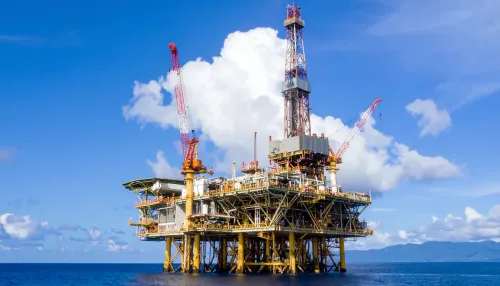
Mumbai, March 1 (NationPress) The recent missile exchanges between Iran and the Israel-US coalition over the Gulf represent a significant threat to global oil supply chains, potentially leading to disruptions not easily mitigated by production growth in non-Gulf regions, analysts stated on Sunday.
Market participants have cautioned that if the violence escalates, oil prices could surge dramatically when trading resumes on Monday. Although there have been no confirmed interruptions in shipping through the Strait of Hormuz, the looming threat of tankers being targeted has led major oil traders to halt shipments through this critical waterway.
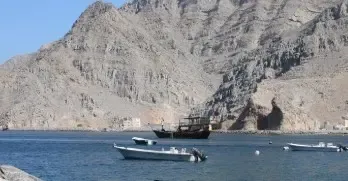
This narrow channel between Iran and Oman is vital, handling nearly 20 million barrels of crude and refined oil daily.
Tanker freight rates have seen notable increases, with the benchmark rates for very large crude carriers from the Middle East to China having tripled year-to-date in 2026, signaling that vessels are increasingly reluctant to take on risks.
The Middle East is responsible for approximately 20% of the world's oil supply, and the extent of potential disruptions will hinge on whether energy infrastructure is directly targeted and how swiftly shipping operations can return to normal, analysts noted.
Currently, the conflict between Iran and the Israel-US coalition has not resulted in confirmed strikes on major oil and gas facilities; however, reports indicate explosions in the United Arab Emirates, Bahrain, Qatar, and Kuwait, with blasts heard near Iran's Kharg Island, which is crucial for Tehran's crude exports.
Analysts pointed out that even brief conflicts can have disproportionate impacts on global oil prices and supply, referencing historical incidents during the Iran-Iraq war in the 1980s.
The Islamic Revolutionary Guard Corps (IRGC) has declared an escalation in attacks directed at US and Israeli military sites throughout the Middle East, in retaliation for the recent strikes that allegedly killed Iran's Supreme Leader Ayatollah Ali Khamenei.
“This grave transgression will not go unanswered and will mark a significant turning point in the history of the Islamic world,” stated an official announcement from the Iranian government.
Point of View
The current geopolitical tensions in the Gulf illustrate the fragility of global oil supply chains. While production increases outside the region may offer some relief, the potential for significant disruptions is a cause for concern that demands close monitoring.
NationPress
22 Sept 2026
Frequently Asked Questions
What is the current situation between Iran and Israel?
Tensions have escalated with missile exchanges between Iranian forces and the Israel-US coalition, raising concerns about oil supply disruptions.
How much oil passes through the Strait of Hormuz?
The Strait of Hormuz is crucial for global oil transportation, handling nearly 20 million barrels of crude and refined products daily.
What effects can short-term conflicts have on oil prices?
Even brief conflicts can lead to significant price increases and supply chain disruptions, as seen in historical incidents during the Iran-Iraq war.
Are there any confirmed attacks on oil infrastructure?
So far, there have been no confirmed strikes on major oil infrastructure, but explosions have been reported in nearby regions.
What actions are being taken by the Islamic Revolutionary Guard Corps?
The IRGC has announced a new wave of attacks targeting US and Israeli military installations in the region, escalating tensions further.