Rahul Gandhi Heads to Prayagraj, Targets Exam System
Synopsis
Congress leader Rahul Gandhi announced a visit to Prayagraj on August 7, 2026, targeting systemic failures in India's competitive exam ecosystem — paper leaks, stalled recruitments, and a testing regime he says betrays aspirants' hard work.
Key Takeaways
Rahul Gandhi announced he is travelling to Prayagraj , framing it as India's foremost city of competitive exam aspirants.
He directly blamed the system's 'dishonesty' — not students' effort — for their struggles, citing paper leaks and stalled recruitments .
Prayagraj, Uttar Pradesh is a major national hub for UPSC and SSC preparation, drawing aspirants from across India.
Multiple national and state recruitment exams faced paper-leak allegations between 2023 and 2025 , triggering widespread protests.
The visit continues a pattern of opposition leaders using coaching-centre cities as political platforms to highlight youth employment concerns.
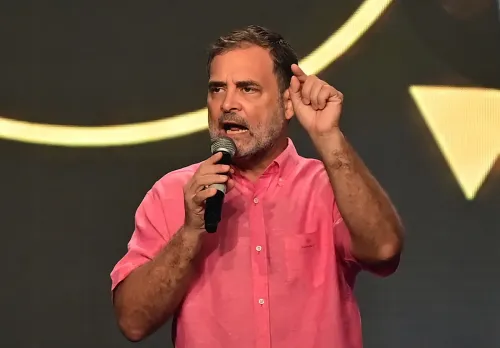
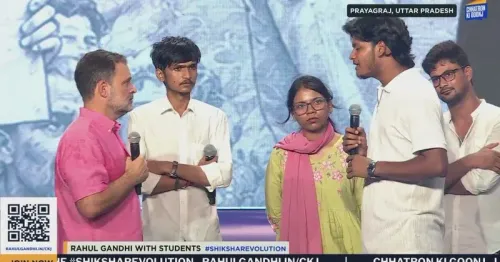
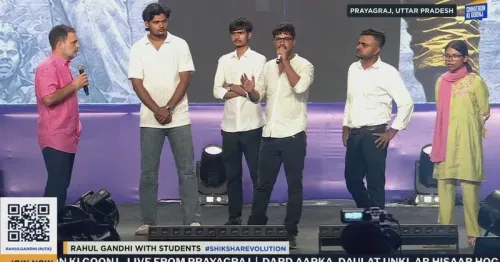
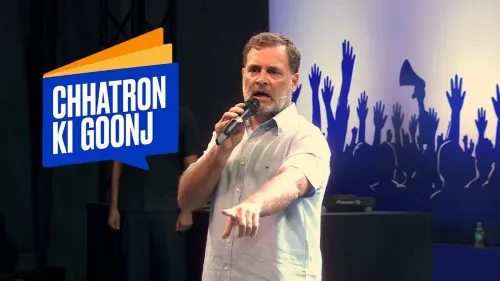
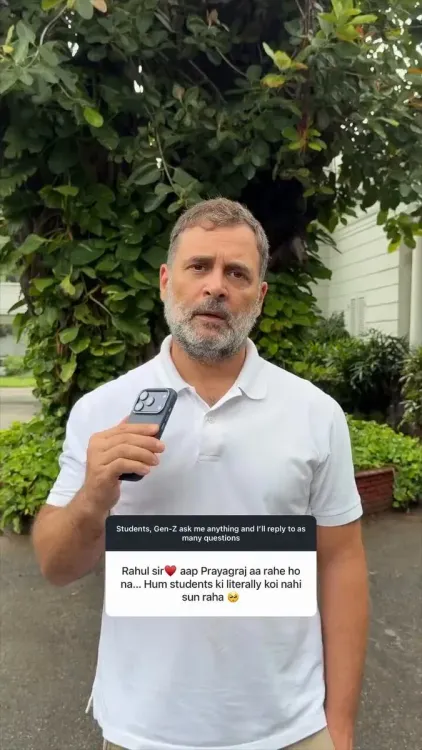
The city that never sleeps before an exam is about to get a political visit. Congress leader Rahul Gandhi, Leader of the Opposition in the Lok Sabha, announced on Friday, August 7, 2026, that he is travelling to Prayagraj — the nerve centre of India's competitive exam preparation culture — and arrived with a pointed message for millions of aspirants: the system, not your effort, is broken.
In his post, Gandhi wrote: 'Prayagraj aa raha hoon — desh ke us sheher mein jahan sabse zyada naujawan taiyaari karte hain.' ('I am coming to Prayagraj — to that city in the country where the most young people prepare.') He then cut to the charge: 'Every student here knows the system has become dishonest. There is no shortcoming in your hard work — the shortcoming is in the intent of a system that does not reward your effort.'
Prayagraj: Where Millions Stake Everything on One Exam
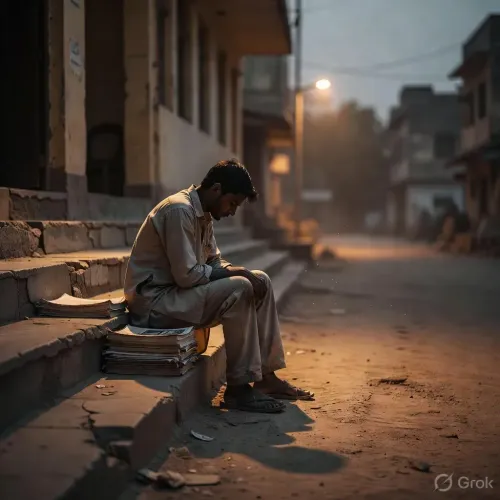
Prayagraj, in Uttar Pradesh, is widely regarded as one of India's foremost hubs for coaching and preparation for high-stakes competitive examinations, including UPSC civil services and SSC recruitment tests. Thousands of aspirants from across the country rent rooms in the city's dense coaching corridors, spending years — and family savings — chasing government jobs that represent, for many, the only reliable path to stability.
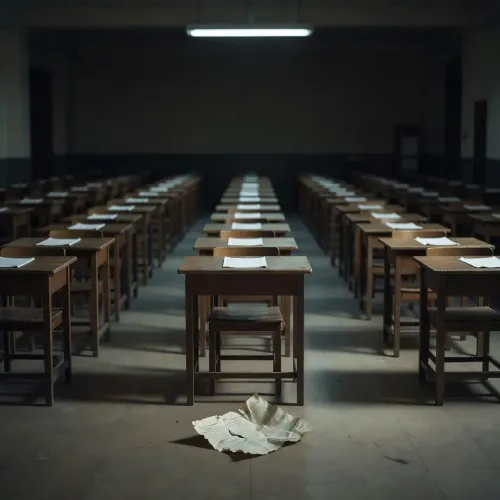
That aspiration has been repeatedly shaken. Between 2023 and 2025, multiple national and state-level recruitment examinations faced serious allegations of paper leaks and procedural irregularities, triggering protests, court interventions, and demands for overhaul of testing agencies. Gandhi's post directly names two of the most cited grievances: 'paper leak' and 'ruki bhartiyan' — stalled recruitments — alongside what he describes as years of wasted effort.
Opposition's Recurring Play: Take the Fight to the Coaching Lanes
The visit fits a pattern. Opposition leaders have periodically made high-profile trips to major coaching centres to amplify youth frustration over recruitment delays and exam integrity — turning the physical space of aspirant India into a political stage. Successive governments, meanwhile, have announced reforms to testing agencies and recruitment pipelines following controversy, though aspirants and opposition voices have questioned whether structural change has followed.
Gandhi's framing is deliberate: by separating the student's effort from the system's intent, he is pitching the argument not as a policy debate but as a moral one — a distinction that tends to land hard in cities where years of sacrifice can be undone by a single leaked question paper.
Whether the visit produces concrete legislative demands or parliamentary action on testing agency reform will be the measure of its impact beyond the moment.
Point of View
He elevates it from an administrative problem to a moral indictment, a register that travels further on social media and in coaching-lane conversations. The visit also signals that the Opposition sees Uttar Pradesh's vast aspirant population as a key constituency to cultivate ahead of any future electoral cycle. The real test is whether the rhetoric translates into concrete parliamentary pressure on testing agency reform.
NationPress
21 Sept 2026
Frequently Asked Questions
Why is Rahul Gandhi visiting Prayagraj?
Rahul Gandhi announced on August 7, 2026 that he is visiting Prayagraj to address the concerns of competitive exam aspirants, citing paper leaks and stalled government recruitments as evidence of a broken system.
What did Rahul Gandhi say about paper leaks?
Gandhi said the system has become 'dishonest' and that the fault lies not with students' hard work but with a system that fails to reward their effort — directly naming paper leaks and stalled recruitments as the key failures.
Why is Prayagraj important for competitive exam aspirants?
Prayagraj in Uttar Pradesh is one of India's largest coaching hubs, where hundreds of thousands of students prepare for UPSC civil services, SSC, and other government recruitment examinations.
Which exams were affected by paper leaks in India?
Between 2023 and 2025, multiple national and state-level recruitment examinations faced allegations of paper leaks and irregularities, prompting protests and calls for reform of testing agencies.
What is the Congress party's position on exam reform?
Congress, through leaders like Rahul Gandhi, has consistently demanded accountability for paper leaks and faster resolution of stalled government recruitments, positioning itself as a champion of competitive exam aspirants.