Iran Faces Challenges in Reopening the Vital Strait of Hormuz Amid Sea Mine Complications
Synopsis
Iran struggles to reopen the vital Strait of Hormuz due to the presence of unaccounted sea mines. This situation poses serious risks for maritime safety and global oil supplies, raising alarms during ongoing diplomatic negotiations.
Key Takeaways
Strait of Hormuz is crucial for global oil transit.
Iran faces challenges in clearing sea mines deployed during conflicts.
Risks to maritime safety are significant.
Ongoing diplomatic efforts may be affected.
Alternative navigation routes have been proposed.
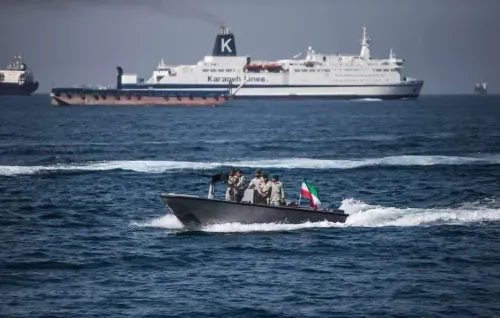
Washington, April 11 (NationPress) A new challenge has surfaced in the already fraught geopolitical climate, as Iran is reportedly struggling to reopen the strategically vital Strait of Hormuz after deploying sea mines during recent conflicts.
As reported by The New York Times, which cites US officials, Tehran is unable to track down all the mines it placed in this crucial shipping lane, raising significant concerns regarding maritime safety and the global oil supply.
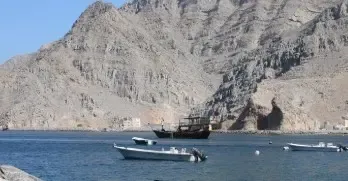
The Strait of Hormuz serves as a critical link between the Persian Gulf and the Gulf of Oman, facilitating nearly 20% of the world's oil shipments. Countries like India are heavily reliant on this narrow passage for their energy imports.
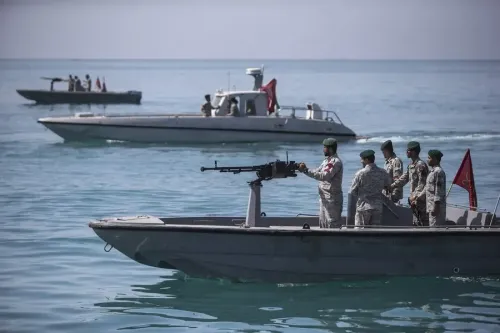
According to the report, Iran deployed these mines using small vessels last month, shortly following coordinated airstrikes by the US and Israel amid rising tensions over Tehran's nuclear ambitions. However, officials now suspect that the mining operation may not have been meticulously documented. Some of the mines, even when noted, were placed in a way that allowed them to drift, complicating detection and removal efforts.
US officials characterized the mining as “haphazard,” as reported by the New York Times, underscoring the threats posed to commercial shipping.
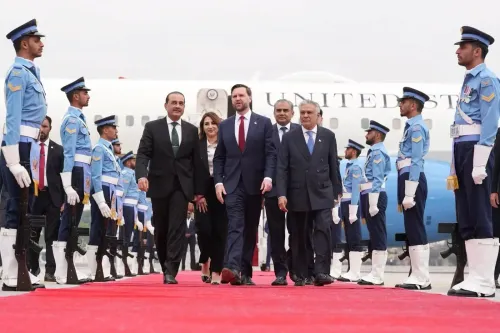
This situation has also cast a pall over ongoing diplomatic initiatives, especially the high-stakes negotiations between Washington and Tehran currently taking place in Islamabad.
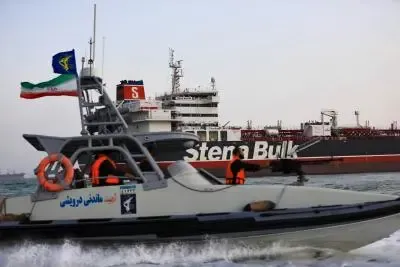
The Islamic Revolutionary Guard Corps of Iran has issued warnings that vessels navigating the strait could encounter floating mines. Nonetheless, they have kept an alternative passage open for ships that are willing to pay a toll, according to the report.
Adding to the alarm, the IRGC has released a public advisory cautioning vessels of the potential dangers.
“All ships planning to transit the Strait of Hormuz are hereby informed that to adhere to maritime safety principles and to avoid possible collisions with sea mines… they should consider alternative routes for navigating through the Strait of Hormuz,” stated the IRGC.
While Iran has committed to reopening the strait following a ceasefire with the US, just before a deadline established by President Donald Trump, its inability to quickly clear the mines has hindered the complete restoration of normal shipping operations. Authorities are proposing alternative navigation routes to minimize risks.
Point of View
It is crucial to recognize the geopolitical complexities at play. Iran's inability to clear the Strait of Hormuz poses risks not only to regional stability but also to global oil markets, highlighting the urgent need for diplomatic engagement.
NationPress
19 Sept 2026
Frequently Asked Questions
What is the significance of the Strait of Hormuz?
The Strait of Hormuz is a vital shipping corridor that links the Persian Gulf to the Gulf of Oman and is responsible for about 20% of global oil shipments.
Why are sea mines a concern in the Strait of Hormuz?
The presence of sea mines creates significant risks for commercial shipping, potentially leading to collisions and disruptions in oil supply.
What actions has Iran taken regarding the sea mines?
Iran's Islamic Revolutionary Guard Corps has warned vessels about the dangers of sea mines and has suggested alternative routes for navigation through the Strait.
How does this situation impact global oil supplies?
Disruptions in the Strait of Hormuz could lead to increased oil prices and supply shortages, impacting countries that rely on this route for energy imports.
What diplomatic efforts are currently underway?
High-stakes talks between the US and Iran are ongoing in Islamabad, aiming to address tensions exacerbated by the mining operations.