Japan buys Russian oil for first time since 2022 amid Hormuz supply fears
Synopsis
For the first time since February 2022, Japan has bought Russian crude — a telling sign of how seriously Tokyo is treating Strait of Hormuz supply risk. With over 90% of its oil imports routed through that chokepoint, Japan is simultaneously releasing reserves, rerouting supply chains through Central Asia and Latin America, and quietly setting aside geopolitical optics for energy security realism.
Key Takeaways
Japan purchased Russian Sakhalin Blend crude on 1 May 2025 — its first such buy since February 2022 .
The tanker Voyager is expected to dock at Kikuma port, Shikoku Island , on 3 May , delivering oil to Taiyo Oil's refinery.
Japan relies on West Asia for over 90% of its crude imports, most passing through the Strait of Hormuz .
The government is releasing 5.8 million kilolitres of reserves from 10 bases nationwide , equivalent to approximately 20 days of domestic consumption.
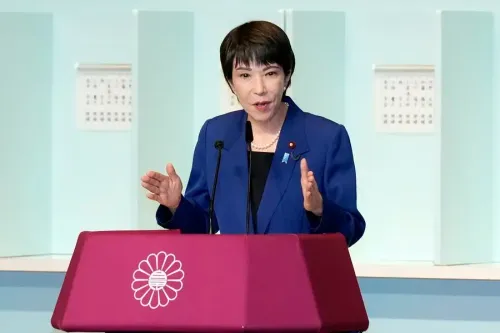
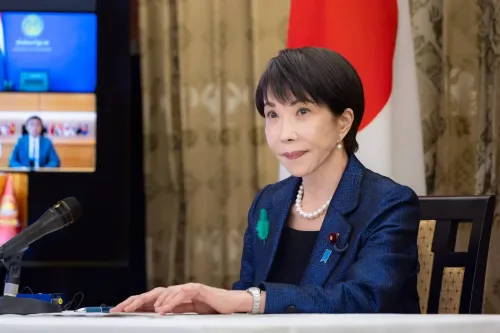
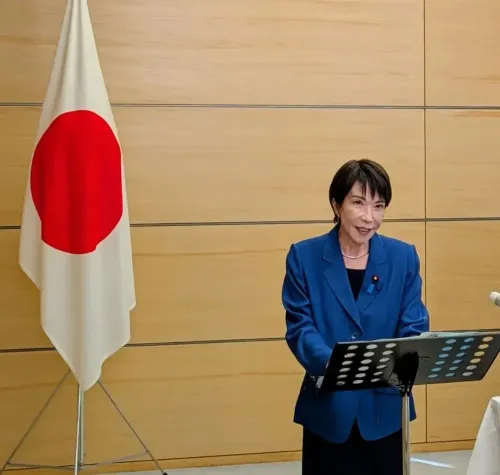
Prime Minister Sanae Takaichi said Japan aims to secure around 60% of its May crude needs via non-Hormuz routes, including Central Asia , Latin America , and the Asia-Pacific .
Japan purchased a shipment of Russian crude oil on Friday, 1 May 2025 — its first such acquisition since February 2022 — as mounting concerns over disruptions to the Strait of Hormuz supply corridor forced Tokyo to diversify its energy sources. The move signals a significant, if pragmatic, shift in Japan's energy policy amid escalating tensions in West Asia.
The Russian Oil Shipment
The crude, identified as Sakhalin Blend, is being transported aboard the Omani-flagged tanker Voyager and is expected to arrive at the port of Kikuma on Shikoku Island on 3 May, according to Russian state-owned news agency TASS. The oil is destined for the refinery operated by Taiyo Oil, also located on Shikoku Island.
Point of View
And this purchase — however framed as an emergency measure — sets a precedent that will be difficult to walk back if Hormuz tensions persist. The simultaneous reserve releases and supply diversification across four regions suggest Japan's vulnerability is more acute than official statements have conveyed. The harder question is whether this is a one-off contingency or the quiet beginning of a structural recalibration.
NationPress
19 Sept 2026
Frequently Asked Questions
Why did Japan buy Russian oil in May 2025?
Japan purchased Russian crude for the first time since February 2022 due to fears of supply disruptions through the Strait of Hormuz, through which more than 90% of its crude oil imports pass. The purchase is part of a broader emergency energy strategy that also includes releasing national oil reserves and diversifying supply routes.
What oil grade did Japan purchase from Russia?
Japan purchased Sakhalin Blend crude oil, transported by the Omani-flagged tanker Voyager. The oil is destined for Taiyo Oil's refinery on Shikoku Island and was expected to arrive at the port of Kikuma on 3 May 2025.
How much oil reserve is Japan releasing?
Japan is releasing approximately 5.8 million kilolitres of crude oil reserves from 10 bases nationwide in sequential releases, equivalent to around 20 days of domestic consumption. Releases are being made from oil bases in Ibaraki Prefecture, among other locations.
What is Japan's plan to reduce dependence on the Strait of Hormuz?
Prime Minister Sanae Takaichi stated that Japan aims to secure approximately 60% of its May crude oil needs through routes that bypass the Strait of Hormuz. Alternative supply sources include the United States, Central Asia, Latin America, and the Asia-Pacific region.
Has Japan released oil reserves before this crisis?
Yes. Prior to the latest release of reserves equivalent to 20 days of consumption, Japan had already released approximately 50 days' worth of oil from state and other reserves to stabilise domestic energy supply following the outbreak of conflict in West Asia.