Japan Secures 60% Crude Oil Supply Bypassing Strait of Hormuz
Synopsis
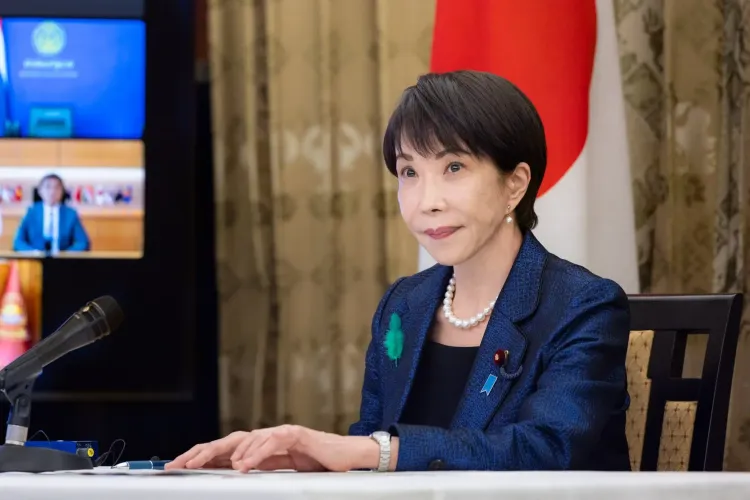
Japan has secured 60% of its May crude oil needs through routes bypassing the Strait of Hormuz, PM Sanae Takaichi announced. Tokyo is also releasing 5.8 million kilolitres from strategic reserves worth USD 3.4 billion, its second emergency oil release since the Middle East conflict erupted. Japan imports over 90% of its crude from West Asia.
Key Takeaways
Prime Minister Sanae Takaichi confirmed 60% of Japan's May 2025 crude oil needs are secured via routes bypassing the Strait of Hormuz .
Japan is diversifying crude oil sources to include Central Asia, Latin America, and the Asia-Pacific , beyond traditional Middle East and US suppliers.
The Japanese government will release 5.8 million kilolitres of strategic oil reserves worth USD 3.4 billion (540 billion yen) from May 1, 2025 .
Dialysis tubing supplies have been secured through September 2025 , and agricultural plastic materials for the spring season have been procured.
Japan relies on West Asia for over 90% of its crude oil imports, making the Strait of Hormuz a critical and currently vulnerable supply chokepoint.
The POWERR Asia framework will be deployed to ensure stable oil supply volumes from October 2025 onward, per PM Takaichi's directive.
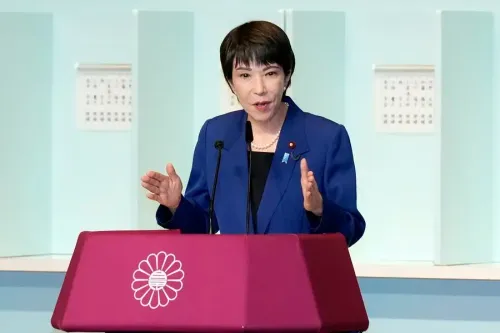
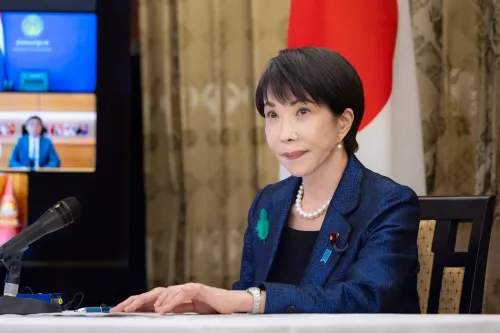
Tokyo, April 25: Japan is aggressively diversifying its crude oil supply chains as the Middle East conflict intensifies, with Prime Minister Sanae Takaichi confirming that approximately 60 per cent of the country's crude oil requirements for May 2025 have been secured through routes that bypass the strategically critical Strait of Hormuz. The announcement came following a high-level Ministerial Meeting on the Situation in the Middle East, signalling Tokyo's urgency in shielding its energy-dependent economy from supply disruptions.
Japan's Alternative Crude Oil Procurement Plan
Prime Minister Takaichi, posting on X (formerly Twitter) via the PM's Office of Japan, stated that regarding alternative crude oil procurement that does not pass through the Strait of Hormuz, Japan has an outlook for securing approximately 60% for May. This is a significant strategic shift for a nation that relies on West Asia for over 90 per cent of its crude oil imports, the majority of which historically transits through the Strait of Hormuz.
The diversified supply sources now include not only the Middle East and the United States, but also Central Asia, Latin America, and the Asia-Pacific region. This geographic spread is designed to reduce single-point vulnerability in Japan's energy supply chain.
Strategic Oil Reserve Release Worth USD 3.4 Billion
In a parallel move, the Japanese government announced on Friday, April 25 that it will begin releasing additional oil reserves equivalent to approximately 20 days of supply starting May 1, 2025. This is the second such release, the first having freed up roughly 50 days worth of reserves held by both the state and private entities.
According to Japan's Ministry of Economy, Trade and Industry (METI), the second release will make available 5.8 million kilolitres of oil, valued at approximately 540 billion yen (USD 3.4 billion). The scale of this intervention underscores how seriously Tokyo is treating the energy security threat posed by the ongoing West Asia conflict.
Critical Materials: Dialysis Supplies and Agricultural Plastics Secured
PM Takaichi also addressed concerns beyond fuel, noting that dialysis tubing, a petroleum-derived medical supply that Japan imports, has been secured through the end of September 2025. This was achieved by prioritising petroleum-based materials for overseas facilities operated by Japanese companies.
Additionally, she confirmed that plastic agricultural materials including mulch sheets and rice bags needed for the spring season have been procured. Takaichi instructed the minister in charge to fully utilise the POWERR Asia framework to ensure stable supply volumes from October 2025 onward.
To address concerns about future procurement, the government will closely review supply chains and work with raw material manufacturers to ensure stable supply and prevent any disruption to food supply, Takaichi added.
Why This Matters: Japan's Structural Energy Vulnerability
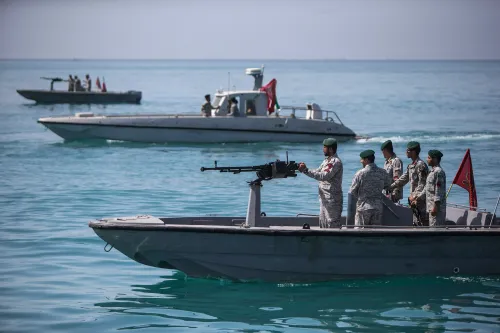
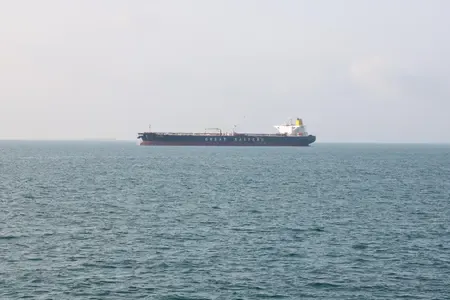
Japan is one of the world's most energy-import-dependent major economies. With virtually no domestic crude oil production, the country's industrial base, transportation sector, and even food supply chains are deeply linked to uninterrupted petroleum imports. The Strait of Hormuz, through which roughly 20 per cent of global oil trade passes, represents a chokepoint that any escalation in West Asia could shut down, with catastrophic consequences for Japan's GDP and inflation.
Notably, Japan has faced energy crises before, most prominently after the 1973 Arab Oil Embargo and following the 2011 Fukushima nuclear disaster, which led to the shutdown of most of its nuclear capacity and a surge in fossil fuel imports. The current response mirrors the urgency of those earlier crises, but with a more geographically diversified strategy.
Energy analysts argue that while the 60 per cent figure provides short-term reassurance, the remaining 40 per cent of May's crude requirement still depends on Hormuz-routed supply, leaving Japan exposed if the conflict escalates further.
What to Watch Next
All eyes will be on whether Japan can raise its Hormuz-bypass procurement above 60 per cent for June and July 2025, and whether the POWERR Asia framework delivers stable supply volumes from October 2025 as promised. Any further escalation in the Middle East, particularly involving Iran, which borders the Strait of Hormuz, could force Tokyo into emergency procurement at premium global prices, adding inflationary pressure to an economy already navigating a weak yen.
Point of View
Not just a geopolitical footnote. But the 60 per cent figure is both a reassurance and an admission: nearly half of May's oil still flows through the Strait of Hormuz, leaving Japan's industrial economy dangerously exposed. What's missing from the mainstream narrative is the downstream risk, as disruptions to dialysis supplies and agricultural plastics signal that this is no longer just an energy story, but a food and healthcare security crisis in the making. Tokyo's ability to activate the POWERR Asia framework before October will determine whether this is a managed transition or the beginning of a deeper supply shock.
NationPress
22 Sept 2026
Frequently Asked Questions
How much crude oil has Japan secured bypassing the Strait of Hormuz?
Japan has secured approximately 60 per cent of its crude oil needs for May 2025 through routes that do not pass through the Strait of Hormuz. This was confirmed by Prime Minister Sanae Takaichi following a ministerial meeting on the Middle East situation.
Why is the Strait of Hormuz critical for Japan's oil supply?
Japan imports over 90 per cent of its crude oil from West Asia, and the majority of those shipments transit through the Strait of Hormuz. Any blockage or conflict in that waterway could severely disrupt Japan's energy supply and economy.
How much oil is Japan releasing from its strategic reserves?
Japan is releasing 5.8 million kilolitres of oil from its strategic reserves, valued at approximately 540 billion yen or USD 3.4 billion, starting May 1, 2025. This is the second such emergency release since the Middle East conflict began.
Which countries will supply Japan with alternative crude oil?
Japan is sourcing alternative crude oil from the United States, Central Asia, Latin America, and the Asia-Pacific region, in addition to existing Middle East suppliers. This diversification is aimed at reducing dependence on Hormuz-routed shipments.
What is the POWERR Asia framework Japan plans to use?
The POWERR Asia framework is a regional energy cooperation mechanism that Japan intends to fully utilise to ensure stable crude oil supply volumes from October 2025 onward. PM Takaichi instructed the relevant minister to activate this framework to prevent supply disruptions.