India vs China: Contrasting approaches to neighbours in Hormuz oil crisis
Synopsis
The Hormuz-triggered oil crisis became an unplanned geopolitical stress test — and India and China responded in ways that could not have been more different. India quietly kept fuel flowing to Nepal, Bhutan, Sri Lanka and Bangladesh with no strings attached, while China reportedly suspended exports and offered Taiwan oil only in exchange for reunification. The contrast, highlighted in Daily Mirror Online, may reshape how South Asia views its two giant neighbours.
Key Takeaways
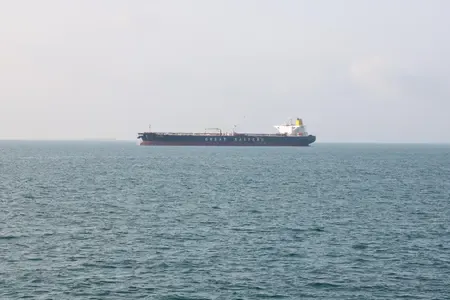
The closure of the Strait of Hormuz amid the Middle East conflict triggered a regional energy crisis across Asia.
China suspended new fuel export contracts, leaving Australia , Bangladesh , and the Philippines without assured supplies.
Beijing offered oil to Taiwan contingent on peaceful reunification with mainland China — an offer Taiwan flatly rejected.
India supplied approximately 38,000 metric tonnes of fuel to Sri Lanka and continued uninterrupted deliveries to Nepal and Bhutan .
Additional diesel shipments were dispatched to Bangladesh via the cross-border pipeline route, with no political conditions attached.
The episode is seen as a live test of India's Neighbourhood First doctrine under genuine crisis conditions, according to Daily Mirror Online .
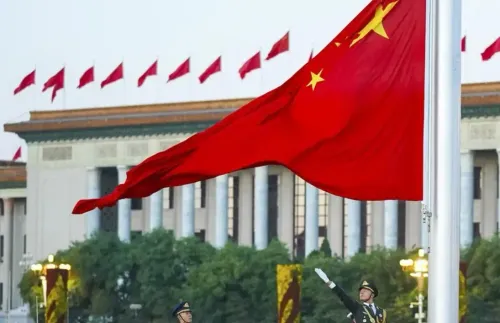
The energy crisis triggered by the closure of the Strait of Hormuz amid the ongoing Middle East conflict has exposed the starkly different ways in which India and China respond to their neighbours during times of acute need. While India extended unconditional fuel supplies to Nepal, Sri Lanka, Bhutan, and Bangladesh, China reportedly weaponised scarcity to extract political concessions, according to an article published in Daily Mirror Online.
China's Calculated Response to the Crisis
China's reaction to the global fuel squeeze was, according to the Daily Mirror Online report, both swift and self-serving. Beijing ordered a suspension of new fuel export contracts and reportedly attempted to cancel existing shipments as global fuel markets tightened in the wake of the Middle Eastern war. Countries including Australia, Bangladesh, and the Philippines — which had developed significant dependence on Chinese fuel imports — were left scrambling for alternatives.
The article notes that China, backed by large crude stockpiles and an extensive renewable energy sector, was far better positioned than its Asian neighbours to absorb the shock. Yet, according to the report, Beijing calculated that allowing scarcity to spread across the region served its strategic interests better than alleviating it.
Taiwan Offer With a Political Price Tag
The sharpest illustration of China's approach, the article argues, was its offer to supply oil to Taiwan — but only if the island agreed to peaceful reunification with mainland China. Taiwan rejected the proposal outright. The episode, critics argue, underscores a pattern in which Beijing uses energy access as a lever for geopolitical coercion rather than as a tool of regional goodwill.
India's Neighbourhood First Doctrine in Action
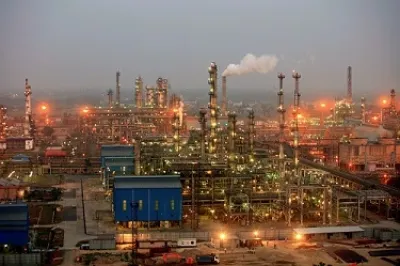
India's behaviour under the same circumstances was, according to the report, markedly different. Rather than pulling back supplies, India delivered approximately 38,000 metric tonnes of fuel to Sri Lanka, addressing a significant portion of the island nation's immediate requirement. Fuel deliveries to Nepal and Bhutan — both entirely dependent on India for energy imports — continued without interruption.
Additionally, extra diesel shipments were dispatched to Bangladesh, with further supplies assured through the cross-border pipeline route. Crucially, none of these deliveries were reported to carry conditions related to sovereignty or political alignment.
Pattern, Not Gesture
The Daily Mirror Online article frames India's actions as reflective of its broader Neighbourhood First doctrine — a foreign policy approach that prioritises regional partnerships without political conditionality. As the article noted, "These were not isolated gestures made for political optics. They reflected a consistent pattern of supply rooted in India's broader 'Neighbourhood First' doctrine, which was now being tested under genuine crisis conditions."
This comes amid growing competition between India and China for strategic influence across South and Southeast Asia. The energy crisis has, in effect, served as an unplanned stress test of both nations' regional credibility — and the results, according to the report, could have lasting diplomatic consequences.
Point of View
By contrast, cost relatively little but bought considerable goodwill in a region where trust is the scarcest commodity. The deeper question is whether New Delhi can sustain this posture as its own energy import bill rises — because Neighbourhood First is easy to preach in surplus, and far harder to practise in scarcity.
NationPress
26 Sept 2026
Frequently Asked Questions
How did India respond to the energy crisis caused by the Strait of Hormuz closure?
India supplied approximately 38,000 metric tonnes of fuel to Sri Lanka and continued uninterrupted fuel deliveries to Nepal and Bhutan, both of which are entirely dependent on India for energy. Additional diesel shipments were also sent to Bangladesh through the cross-border pipeline, with no political conditions attached.
What did China do during the Hormuz oil crisis?
According to a Daily Mirror Online report, China suspended new fuel export contracts and reportedly attempted to cancel existing shipments, leaving countries like Australia, Bangladesh, and the Philippines without assured supplies. Beijing also offered oil to Taiwan only on the condition of peaceful reunification with mainland China.
Did Taiwan accept China's oil offer during the energy crisis?
No. Taiwan rejected China's offer outright. Beijing had conditioned the oil supply on Taiwan agreeing to peaceful reunification with mainland China, a proposal Taipei refused immediately.
What is India's Neighbourhood First doctrine?
Neighbourhood First is India's foreign policy framework that prioritises strong, cooperative relationships with its immediate neighbours — including Nepal, Bhutan, Sri Lanka, Bangladesh, and others — without attaching political or sovereignty-related conditions to assistance. The energy crisis is seen as a significant real-world test of this doctrine.
Which countries were most affected by China's fuel export suspension?
According to the Daily Mirror Online article, Australia, Bangladesh, and the Philippines were among the countries most severely impacted, as they had developed significant dependence on fuel imports from China and were left without alternatives when Beijing suspended new export contracts.