Japan PM Takaichi urges free Strait of Hormuz navigation in Oman call
Synopsis
With US-Iran talks over the Strait of Hormuz deadlocked, Japan’s Prime Minister Takaichi turned to Oman — Tehran’s trusted back-channel — for her second call with Sultan Haitham since April. The push for ‘free and safe navigation without additional costs’ signals how urgently Tokyo, a major Gulf energy importer, is working to keep the world’s most critical oil corridor open.
Key Takeaways
Japanese PM Sanae Takaichi and Oman Sultan Haitham bin Tariq held a 20-minute phone call on 10 August , their second since April .
Takaichi called for the earliest possible restoration of ‘free and safe navigation without additional costs’ in the Strait of Hormuz .
She stressed de-escalation of tensions around Iran and resolution of the nuclear issue under the US-Iran memorandum of understanding .
Sultan Haitham briefed Takaichi on Oman’s ongoing consultations with Tehran and pledged to respect the views of nations using the strait.
US-Iran negotiations over the Strait of Hormuz remain at a stalemate, heightening the stakes of Oman’s mediating role.
Japanese Prime Minister Sanae Takaichi held a telephonic conversation with Oman Sultan Haitham bin Tariq on Monday, 10 August, pressing for the earliest possible restoration of ‘free and safe navigation without additional costs’ through the Strait of Hormuz. The call, lasting approximately 20 minutes, was their second such exchange since April and came as US-Iran negotiations over the strait’s status remained deadlocked.
Key Developments
Takaichi underscored the urgency of de-escalation as tensions surrounding Iran reached what she described as a ‘critical juncture.’ She reaffirmed Japan’s commitment to deploying every available diplomatic tool to create conditions conducive to stability, including the steady resolution of outstanding issues — among them Iran’s nuclear programme — in line with the memorandum of understanding between the United States and Iran.
“As the situation surrounding Iran reaches a critical juncture, it is crucial to achieve a de-escalation as soon as possible and to steadily resolve various issues — including the nuclear issue — in accordance with the memorandum of understanding between the United States and Iran; I also stated that Japan would continue to exert every diplomatic effort to foster the necessary environment for this,” Takaichi posted on X.
What Oman’s Sultan Conveyed
Sultan Haitham bin Tariq briefed Takaichi on the current state of Oman’s ongoing consultations with Tehran. He indicated that assurances had been given that discussions regarding the Strait of Hormuz would be conducted with nations that rely on it for trade, and that the positions of those countries would be respected. Oman has historically served as a back-channel intermediary between Iran and Western powers.
Why the Strait of Hormuz Matters
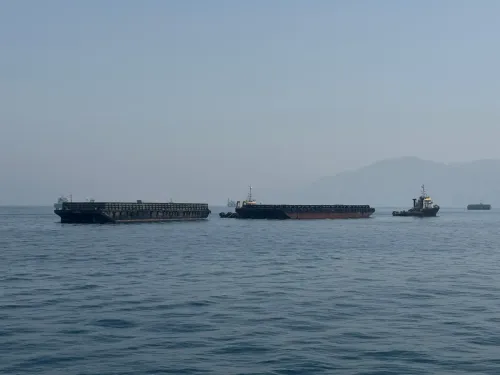
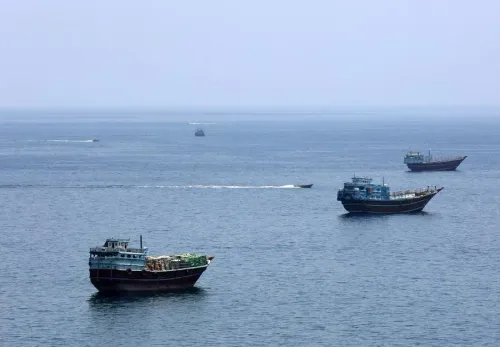
The Strait of Hormuz connects the Persian Gulf with the Gulf of Oman and the Arabian Sea, functioning as one of the world’s most critical energy corridors. A significant share of global oil and Liquefied Natural Gas (LNG) exports from major Gulf producers transit through it daily. For Japan — a resource-scarce nation heavily dependent on Gulf energy imports — any disruption to navigation carries direct economic consequences.
Diplomatic Context
The call comes amid a broader stalemate in US-Iran negotiations over reopening the strait. Japan’s diplomatic engagement with Oman reflects Tokyo’s longstanding strategy of leveraging neutral intermediaries to protect its energy security interests in the Middle East. This is notably the second Takaichi-Haitham call since April, signalling an intensification of Japan’s diplomatic tempo as the regional situation deteriorates.
What Comes Next
Takaichi stated that Japan intends to continue working closely with Oman toward peace and stability in the region. Whether Muscat’s consultations with Tehran can break the current impasse on Hormuz access will be closely watched by energy-importing nations across Asia and Europe.
Point of View
Japan has existential skin in this game — and Oman is its most reliable lever into Tehran. The framing of ‘free navigation without additional costs’ is also a pointed signal to Iran, which has floated toll-like mechanisms for strait access. What remains unclear is whether Oman’s consultations carry enough weight with a Tehran that is navigating its own domestic pressures. Japan’s diplomatic activism is commendable, but without US-Iran movement, it risks being influential optics rather than decisive intervention.
NationPress
25 Sept 2026
Frequently Asked Questions
What did Japan PM Takaichi discuss with Oman’s Sultan Haitham?
Takaichi pressed for the restoration of free and safe navigation without additional costs in the Strait of Hormuz and called for de-escalation of tensions surrounding Iran. She also reaffirmed Japan’s willingness to work diplomatically toward resolving the Iran nuclear issue in line with the US-Iran memorandum of understanding.
Why is the Strait of Hormuz significant for Japan?
The Strait of Hormuz is one of the world’s most critical energy corridors, carrying oil and LNG exports from major Gulf producers. Japan, which is heavily dependent on Gulf energy imports, has a direct economic stake in keeping the strait open and free of additional transit costs or disruptions.
What role does Oman play in Iran-related diplomacy?
Oman has historically served as a neutral back-channel between Iran and Western nations. Sultan Haitham briefed Takaichi on the current status of Oman’s consultations with Tehran and indicated that nations using the strait would be consulted and their views respected.
Where do US-Iran negotiations over the Strait of Hormuz stand?
According to reports, negotiations between the US and Iran over reopening the Strait of Hormuz have remained at a stalemate, which is a key reason Japan is intensifying its own diplomatic outreach through Oman.
Is this the first time Takaichi and Sultan Haitham have spoken?
No. The 10 August call was their second telephonic conversation since April, indicating an accelerating diplomatic engagement between Tokyo and Muscat as the regional situation grows more critical.