Hormuz reopening hinges on US fixing MoU violations, says Iran FM
Synopsis
Iran's Foreign Minister has drawn a direct line between US compliance and the Strait of Hormuz's reopening — insisting Washington must first 'make amends' for violating a bilateral MoU before normal shipping resumes. With Iran-Oman talks nearly concluded on navigation routes, the US-Iran dimension is now the last major obstacle to one of the world's most critical energy chokepoints reopening.
Key Takeaways
Iranian Foreign Minister Seyyed Abbas Araghchi on 8 August said the Strait of Hormuz reopening is contingent on the US addressing its 'violations' of the MoU .
Iran told the US it had achieved 60 per cent of normal traffic conditions within two weeks of implementing Clause 5 of the MoU.
Araghchi accused the US of attempting to create new routes in the strait, undermining Iran's management authority.
Talks with Oman on the legal framework and transit routes are described as 'very close to reaching an agreement.' Foreign Ministry Spokesperson Esmaeil Baqaei confirmed on Wednesday that a joint Iran-Oman statement is in its final stages.
A new Traffic Separation Scheme (TSS) is required, adding technical and legal complexity to the reopening timeline.
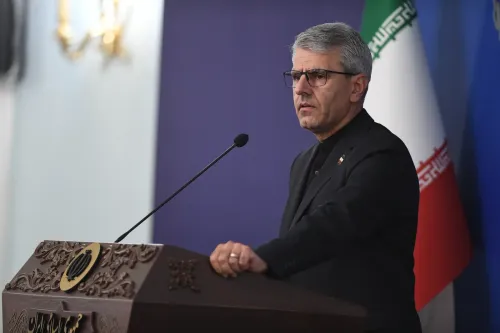
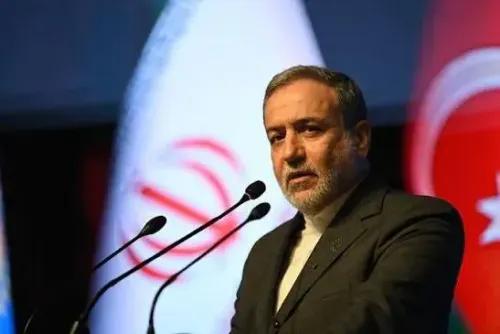
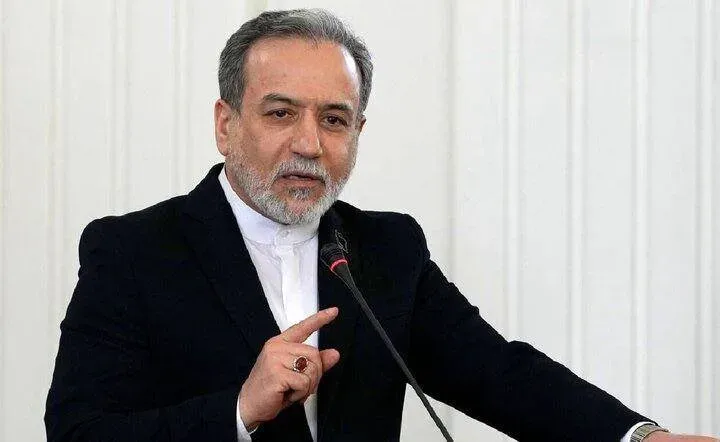
Iranian Foreign Minister Seyyed Abbas Araghchi on Saturday, 8 August said that the reopening of the Strait of Hormuz is contingent on the United States making amends for what he described as its 'violations' of the Memorandum of Understanding (MoU). Araghchi made these remarks on the sidelines of a press conference held by Iranian President Masoud Pezeshkian, according to Iran's semi-official Tasnim News Agency.
Oman Negotiations Near Agreement
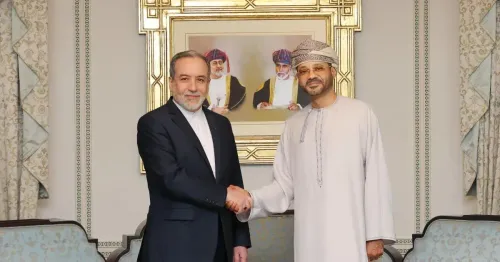
Araghchi confirmed that talks with Oman are actively underway regarding the legal framework and management of the Strait of Hormuz, including the designation of transit routes through the critical waterway. 'Negotiations with Oman are underway regarding the legal framework and management of the Strait of Hormuz, including the designation of transit routes through the strait. We are very close to reaching an agreement,' the Foreign Minister stated.
This follows a statement on Wednesday by Tehran's Foreign Ministry Spokesperson Esmaeil Baqaei, who confirmed that Iran and Oman have agreed on the navigation route for opening the strait, with a joint statement reportedly in its final stages.
Iran's Specific Grievances Over MoU
Araghchi elaborated on Tehran's position, pointing specifically to Clause 5 of the MoU, which he said Iran had been implementing in good faith. He noted that traffic conditions were expected to return to normal within a month, and that Iran had achieved 60 per cent of normal conditions within just two weeks.
'The Americans were seeking to create new routes in the Strait of Hormuz, and despite the warnings given by our country, they sought to undermine the management of Iran and the Strait of Hormuz,' Araghchi said, outlining what Tehran characterises as deliberate US interference.
The Traffic Separation Scheme Dispute
A key technical sticking point is the existing Traffic Separation Scheme (TSS) — the designated lane system governing vessel movement through the strait. Araghchi stated that the previous TSS 'is no longer acceptable for ship traffic from the Islamic Republic's perspective,' and that a new scheme must be established. He acknowledged this involves 'extensive technical and legal complexities.'
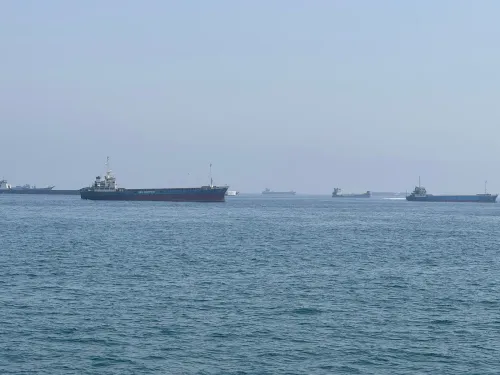
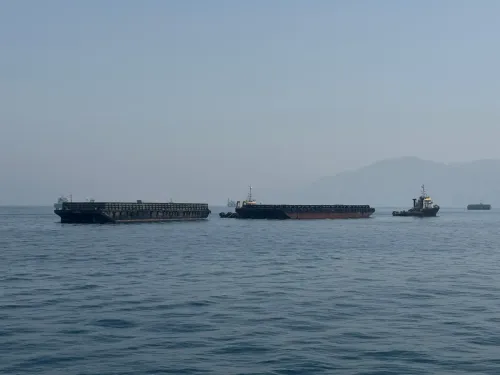
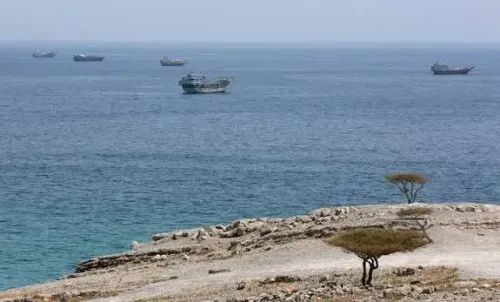
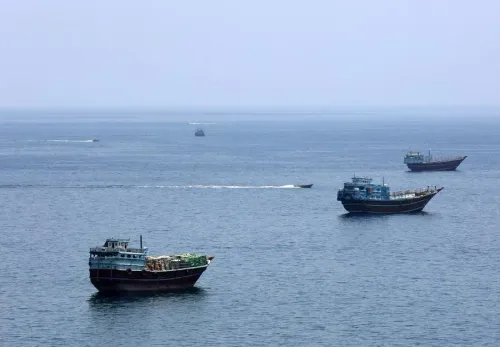
The Strait of Hormuz, a narrow chokepoint between Iran and Oman, is one of the world's most strategically vital shipping lanes, through which roughly 20 per cent of global oil supplies transit. Any prolonged disruption carries significant consequences for international energy markets.
What Happens Next
With Iran-Oman talks described as close to a resolution and a joint statement imminent, the primary outstanding variable is the US-Iran dimension — specifically, whether Washington will address Tehran's MoU grievances. Araghchi reiterated that the violations 'should be followed up,' signalling that Iran intends to hold this condition firm before any full reopening is formalised.
Point of View
Likely for diplomatic or legal use. Notably, Iran-Oman progress is being fast-tracked while the US dimension stays frozen — a classic Iranian negotiating pattern of advancing on bilateral tracks to isolate Washington. The real question is whether the Biden or any incoming US administration will formally acknowledge MoU violations, which carries its own domestic political cost. Until that calculation changes, the strait's full reopening remains hostage to a US-Iran impasse that neither side has publicly shown willingness to resolve.
NationPress
22 Sept 2026
Frequently Asked Questions
Why is the Strait of Hormuz still closed?
The Strait of Hormuz has not fully reopened because Iran has made US compliance with a bilateral Memorandum of Understanding a precondition. Iranian Foreign Minister Araghchi stated on 8 August that the US violated the MoU by attempting to create new transit routes in the strait despite Iranian warnings.
What violations is Iran accusing the US of committing?
Iran accuses the US of violating Clause 5 of the MoU by seeking to establish new routes in the Strait of Hormuz, which Tehran says undermines its management authority over the waterway. Araghchi said Iran had fulfilled its obligations under the clause, reaching 60 per cent of normal traffic conditions within two weeks.
What is the Traffic Separation Scheme and why does it matter?
The Traffic Separation Scheme (TSS) is a designated lane system that governs vessel movement through the Strait of Hormuz. Iran has declared the existing TSS unacceptable and says a new scheme must be negotiated, a process involving significant technical and legal complexity.
Where do Iran-Oman talks on Hormuz stand?
Iran and Oman are reportedly very close to a final agreement on the legal framework and navigation routes for the Strait of Hormuz. A joint statement was described as being in its final stages as of Wednesday, 6 August, by Iranian Foreign Ministry Spokesperson Esmaeil Baqaei.
What happens if the Strait of Hormuz remains closed?
The Strait of Hormuz is a critical global energy chokepoint through which roughly 20 per cent of the world's oil supplies transit. A prolonged closure significantly disrupts global energy markets, raises oil prices, and affects shipping routes for a large portion of international trade.