Khel Maharan 3.0 Crosses 70 Lakh Registrations in Assam
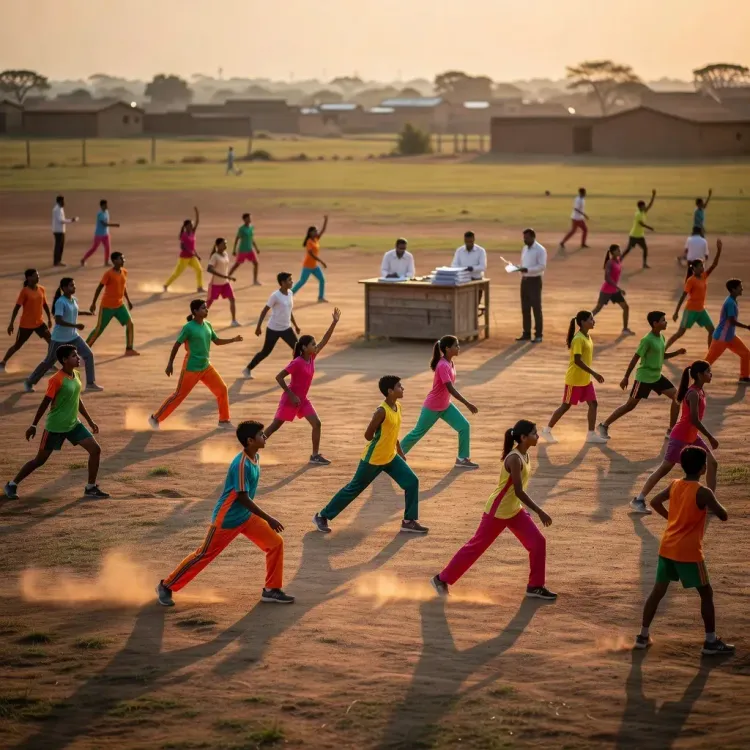
Synopsis
Khel Maharan 3.0, Assam's statewide mass sports competition, crossed 70 lakh player registrations by its final day. CM Dr. Himanta Biswa Sarma praised the strong rural and urban response, marking the largest edition yet of the government's flagship grassroots sports drive.
Key Takeaways
70 lakh players registered for Khel Maharan 3.0 by the final day of the registration window.
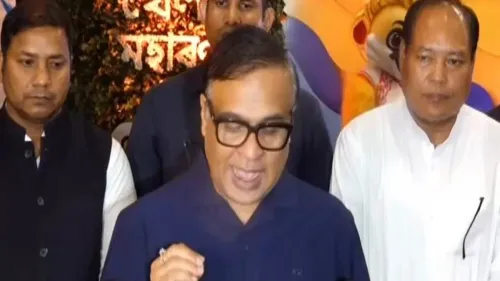
Himanta Biswa Sarma personally acknowledged the participation surge, citing enthusiasm from both rural and urban areas of Assam.
Khel Maharan is a successive-edition statewide sports competition series run by the Assam government to build grassroots sports culture and identify talent.
The 3.0 edition appears to be the largest in the series, with the 70-lakh figure setting a new participation benchmark.
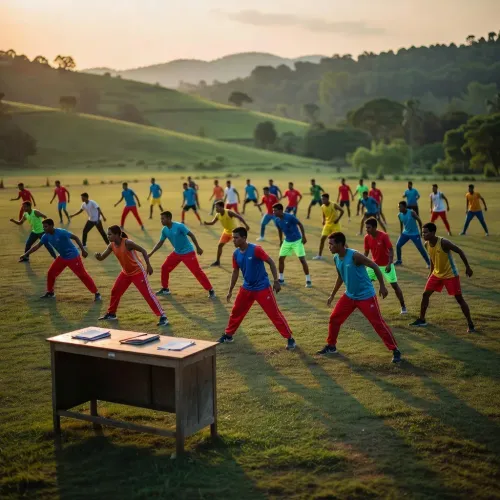
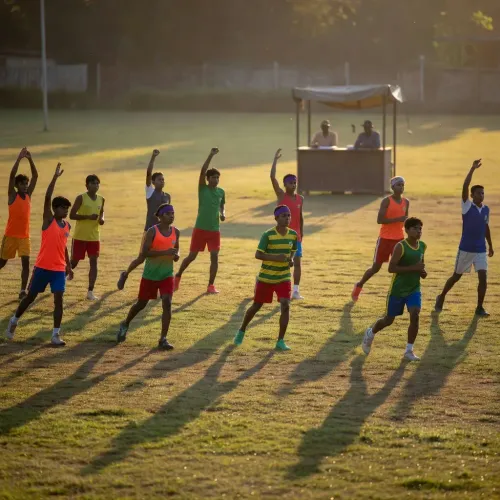
The programme operates across all districts of Assam , with district-level competitions forming the backbone of the talent-identification pipeline.
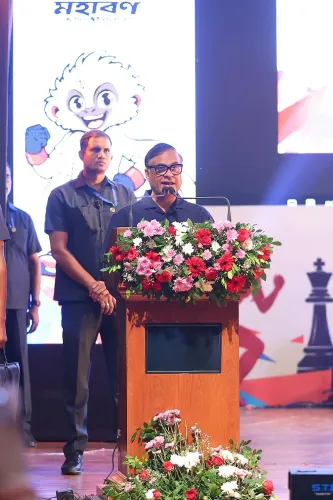
Seventy lakh players. That is the number that defines the scale of what the Assam government is calling a grassroots sports revolution — and it landed on the final day of registration for Khel Maharan 3.0, the state's flagship mass-participation sports competition. The Chief Minister's Office of Assam confirmed the milestone on Saturday, 7 November 2026, with Chief Minister Dr. Himanta Biswa Sarma personally noting the surge in enthusiasm from both rural and urban corners of the state.
A Number That Demands Attention
Seventy lakh is not a registration tally — it is a statement. To put it in perspective, that figure rivals the population of several Indian states. CM Dr. Himanta Biswa Sarma acknowledged the 'enthusiastic participation' and pointed to the strong rural-urban spread as evidence that sporting interest in Assam has moved well beyond urban centres and district headquarters. The registration drive ran to its final day with momentum still building — a detail that organisers will likely highlight as proof of organic demand rather than administrative push.
Khel Maharan's Journey From Edition 1 to 3.0
Khel Maharan is the Assam government's statewide mass sports competition series, designed to drive grassroots participation across every district. The programme has run successive editions under the Sarma administration since 2021, each iteration expanding its reach and using participation metrics as a yardstick for building a wider sports culture. The third edition — branded 3.0 — appears to be the largest yet, with the 70 lakh registration figure marking a new high-water mark for the series. The government has consistently framed Khel Maharan as both a participation drive and a talent-identification pipeline, with district-level competitions feeding into broader competitive structures.
What the Rural-Urban Spread Signals
The specific mention of 'rural and urban areas' in the Chief Minister's statement is deliberate. Assam's geography — a mix of river-island communities, tea-garden belts, hill districts, and dense urban clusters like Guwahati — makes uniform sports outreach genuinely difficult. A registration base that spans both ends of that spectrum suggests the programme's district-level machinery is functioning with real breadth. For a state that has historically punched above its weight in disciplines like football, athletics, and weightlifting, a mass-participation base of this scale could accelerate the talent pipeline in the years ahead.
The next phase to watch: how the government converts these 70 lakh registrations into competitive fixtures, and whether announcements on sports infrastructure or dedicated coaching support follow the registration close. A number this large sets expectations — and Assam will now need to deliver the tournament to match it.
Point of View
Who has staked considerable political capital on visible welfare and youth-engagement programmes, a participation milestone of this scale serves a dual purpose: it demonstrates administrative reach into rural Assam while building a narrative of sports-led development ahead of future electoral cycles. The explicit rural-urban framing is significant — it signals an intent to counter perceptions that government schemes primarily benefit urban constituencies. Whether the programme's competitive and infrastructure phases can absorb 70 lakh participants without diluting quality will be the real test of whether Khel Maharan is a movement or a metric.
NationPress
7 Nov 2026
Frequently Asked Questions
What is Khel Maharan 3.0 in Assam?
Khel Maharan 3.0 is the third edition of the Assam government's statewide mass sports competition series, designed to drive grassroots participation across all districts and identify sporting talent from both rural and urban areas.
How many players registered for Khel Maharan 3.0?
Registrations for Khel Maharan 3.0 crossed 70 lakh players by the final day of the registration window, according to the Chief Minister's Office of Assam.
Who runs the Khel Maharan programme in Assam?
The Khel Maharan programme is run by the Assam state government under Chief Minister Dr. Himanta Biswa Sarma, who has overseen multiple editions since taking office in 2021.
What is the purpose of Khel Maharan in Assam?
The programme aims to build a wider sports culture across Assam, increase grassroots participation, and create a district-level talent-identification pipeline feeding into broader competitive structures.
Which areas of Assam participated in Khel Maharan 3.0?
CM Dr. Himanta Biswa Sarma noted strong participation from both rural and urban areas of Assam, indicating the programme's reach extended across the state's diverse geographic and demographic landscape.