CM Fadnavis Joins Villagers in Prayer at Lohri Savanga, Nagpur
Synopsis
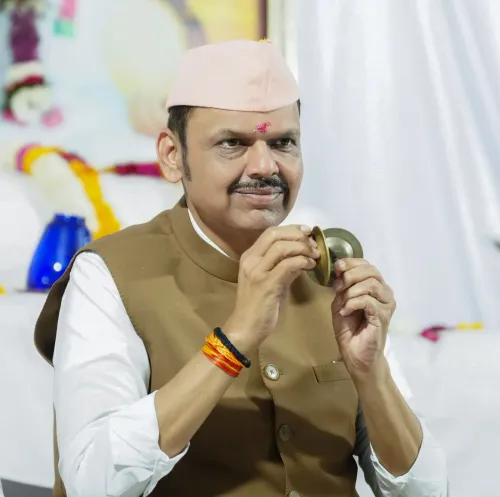
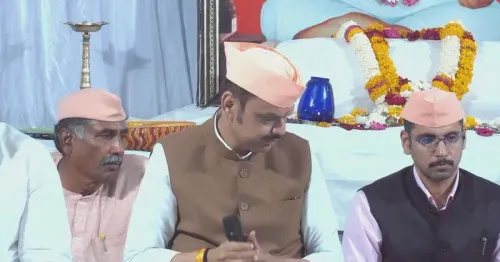
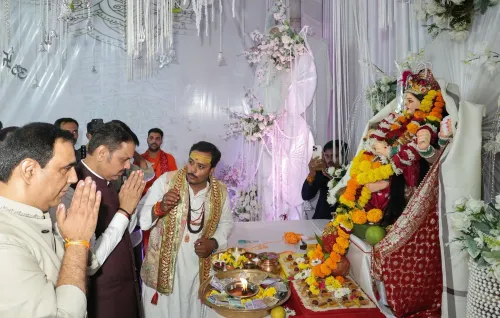
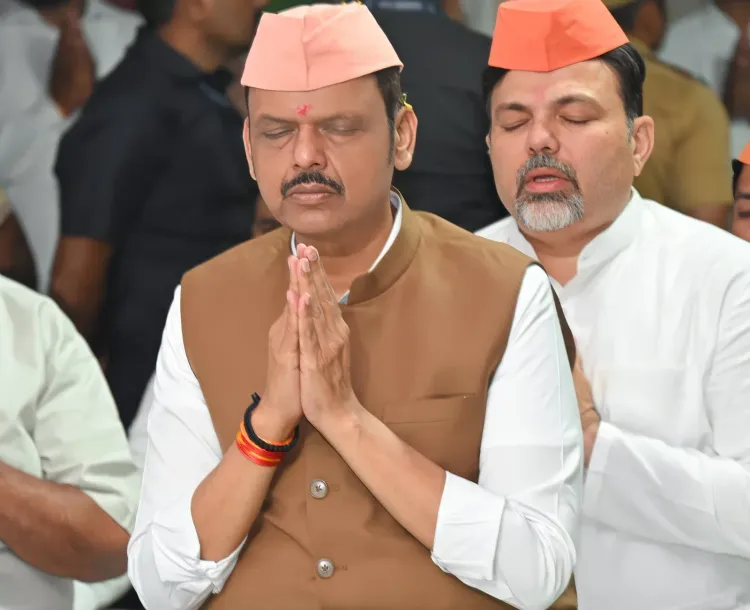
Chief Minister Devendra Fadnavis joined residents of Lohri Savanga, Nagpur, in collective prayer before the portrait of saint-reformer Rashtrasant Tukdoji Maharaj, praying for happiness, peace, and prosperity for all — a visible gesture of rural outreach during the festive season.
Key Takeaways
Chief Minister Devendra Fadnavis participated in a collective prayer at Lohri Savanga village, Nagpur on 7 November 2026 .
The prayers were offered before the portrait of Rashtrasant Tukdoji Maharaj , a revered Maharashtrian saint and social reformer who lived from 1909 to 1968 .
Fadnavis prayed for sukh, shanti aur samridhi — happiness, peace, and prosperity — for the village community.
The event was framed as part of a 'Diwali with Farmers' initiative, reflecting a deliberate rural outreach during the festive season.
Nagpur and the broader Vidarbha region carry significant political and agricultural weight in Maharashtra, with farmer welfare a persistent concern.
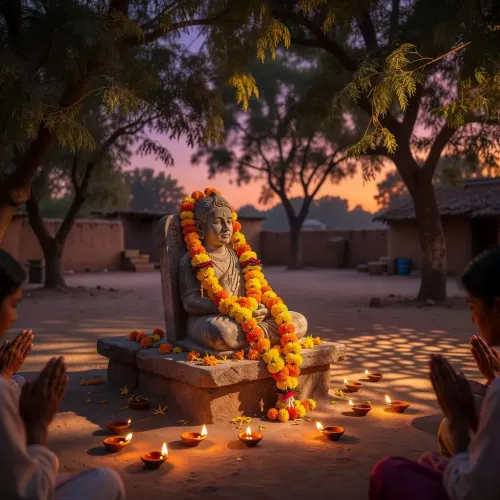
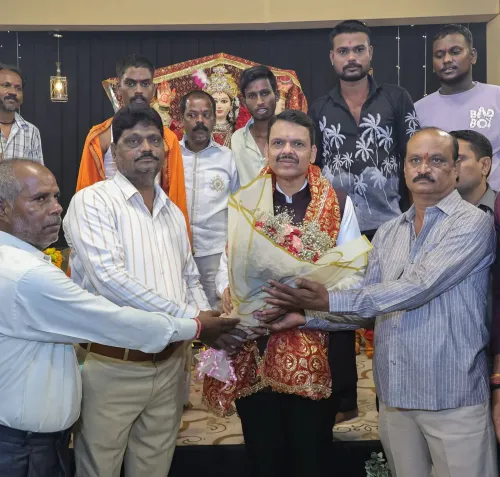
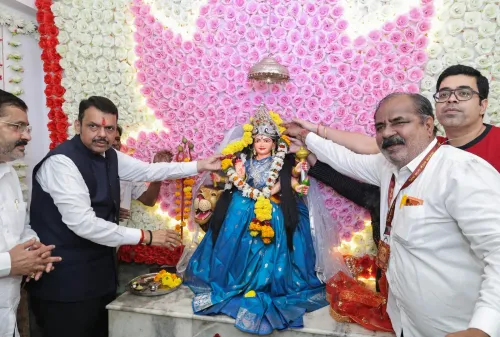
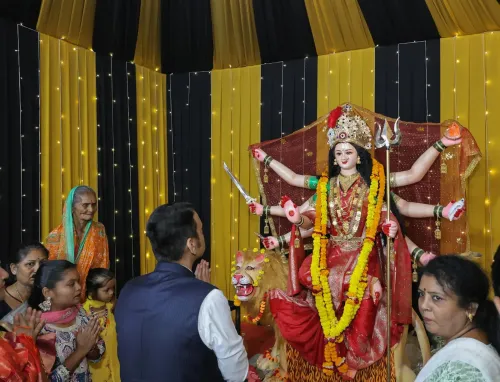
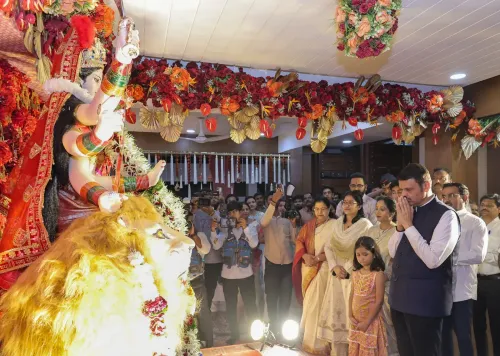
In the agrarian heartland of Nagpur's Lohri Savanga village, Chief Minister Devendra Fadnavis stood shoulder to shoulder with local farmers and residents on Saturday, 7 November 2026, offering collective prayers before the portrait of Rashtrasant Tukdoji Maharaj — invoking the saint's timeless blessings of happiness, peace, and prosperity for all.
A Saint's Legacy, a Village's Prayer
Rashtrasant Tukdoji Maharaj (1909–1968) was far more than a spiritual figure — he was a poet, social reformer, and the architect of the Gramgeeta, a philosophical text that placed village self-reliance at the centre of India's rural identity. His teachings on collective community life and agrarian dignity have made him an enduring icon across Maharashtra's Vidarbha region, particularly in and around Nagpur.
The Chief Minister's Office shared that Fadnavis participated in a saamuhik prarthana — a collective prayer — alongside villagers, praying for 'sukh, shanti aur samridhi' (happiness, peace, and prosperity) for everyone present. The occasion was framed under the hashtag #DiwaliWithFarmers, signalling the festive spirit of outreach.
Nagpur's Political Weight and Fadnavis's Rural Connect
Nagpur is not just Maharashtra's second capital — it is the political bedrock of Fadnavis's two-decade career. His presence in a village setting, participating in a religious observance rather than a policy announcement, reflects a deliberate pattern: Maharashtra's chief ministers have long used cultural and religious touchpoints in Vidarbha to stay visibly connected with farming communities, especially during festival seasons.
The Vidarbha region carries a heavy agricultural burden — chronic drought cycles, cotton-farming distress, and persistent questions of rural welfare have defined its political conversation for years. A chief minister praying alongside farmers in a village square is a message as much as a moment.
Point of View
Where farmer distress has long been a political fault line, such visible solidarity carries electoral undertones even when the occasion is purely ceremonial. The invocation of Rashtrasant Tukdoji Maharaj is also strategically resonant — the saint's Gramgeeta philosophy of village self-reliance aligns neatly with the BJP's rural-development messaging. Watch whether this visit is followed by any targeted agricultural welfare announcements from the Nagpur region in the weeks ahead.
NationPress
7 Nov 2026
Frequently Asked Questions
Who is Rashtrasant Tukdoji Maharaj?
Rashtrasant Tukdoji Maharaj (1909–1968) was a Maharashtrian saint, poet, and social reformer best known for his 'Gramgeeta' — a text advocating village self-reliance and rural community upliftment. He is a revered cultural icon across the Vidarbha region of Maharashtra.
Where is Lohri Savanga village located?
Lohri Savanga is a village in the Nagpur district of Maharashtra, located in the Vidarbha region. Nagpur is also Maharashtra's second capital and the political home base of Chief Minister Devendra Fadnavis.
Why did CM Fadnavis visit a village for prayers?
The visit was part of a 'Diwali with Farmers' outreach, where CM Fadnavis joined local residents in collective prayer before the portrait of Rashtrasant Tukdoji Maharaj, praying for happiness, peace, and prosperity for the community.
What is 'Diwali with Farmers' in Maharashtra politics?
'Diwali with Farmers' is a visible outreach gesture by Maharashtra's leadership to spend the festive season among agrarian communities, particularly in the Vidarbha region, which has historically faced farmer distress and rural welfare concerns.
What is the significance of Nagpur for Devendra Fadnavis?
Nagpur is both Maharashtra's second capital and Devendra Fadnavis's long-standing political base. He has represented Nagpur in the state assembly for over two decades and regularly holds public events in the region to maintain his rural connect.