CM Revanth Reddy Warns of 8-Month Drought, Urges Dry Crops
Synopsis
Telangana CM Revanth Reddy, addressing the Mega Rythu Mela in Kodangal, warned of an 8-month El Niño-driven drought, urged farmers to grow dry-land crops, explained the Medigadda barrage crisis, and announced December special assembly sessions on water management alongside a Rs 10,000 crore Kodangal development plan.
Key Takeaways
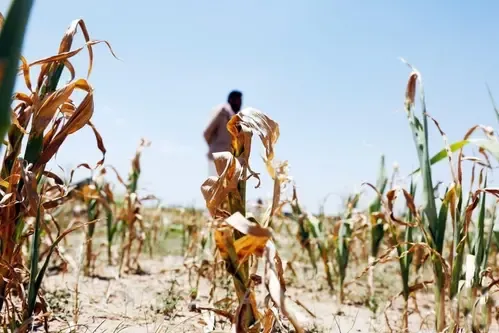
CM Revanth Reddy warned that El Niño will bring severely reduced rainfall and intense heat for the next 8 months , urging farmers to switch to water-efficient dry-land crops.
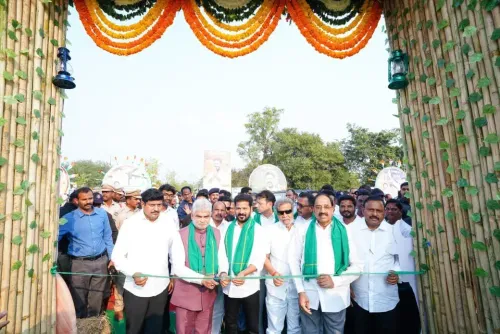
The Mega Rythu Mela was held at Hakimpet, Kodangal constituency, Vikarabad district , featuring dialogue with model farmers and agricultural scientists.
The Medigadda barrage 's structural damage has disabled the Kannepalli pump house ; lifting Godavari water requires holding back 16 TMC by closing Medigadda's gates.
Special assembly sessions are planned in December to publicly debate Kaleshwaram, Godavari, and Krishna water management.
A 250-foot road from Hyderabad Airport to Kodangal and an industrial corridor modelled on Delhi-Noida are under development, with Rs 20 lakh per acre compensation paid to farmers for land acquisition.
The RARE framework envisions Kodangal as a national model with Rs 10,000 crore in development spending, covering education, industry, and agriculture.
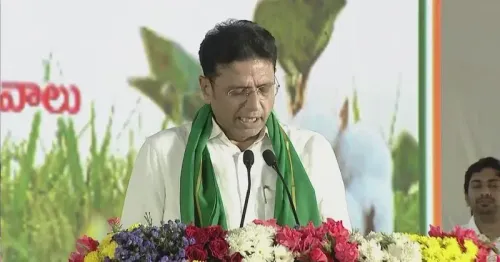
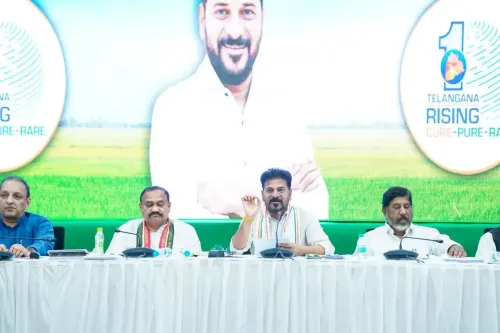
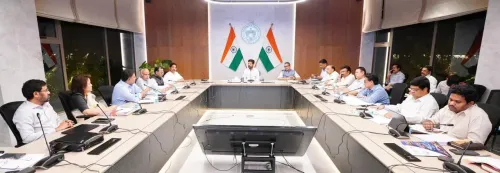
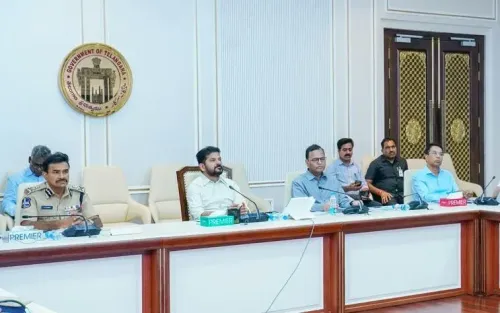
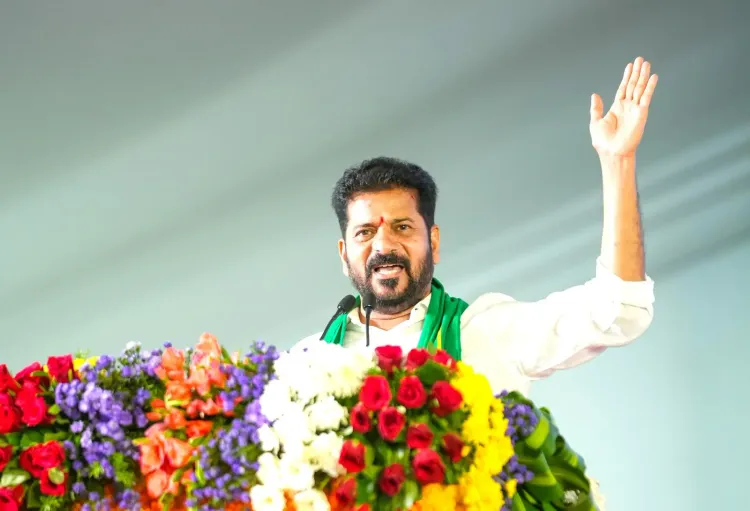
With reservoir beds cracking and El Niño tightening its grip on Telangana, Chief Minister Revanth Reddy issued an urgent, farmer-first warning on Saturday, 7 November 2026: the next eight months will be brutal, and the only way through is together. Speaking at the Mega Rythu Mela — a flagship agricultural fair organised by the state government at Hakimpet in Kodangal constituency, Vikarabad district — the Chief Minister's Office of Telangana posted a detailed account of his address, urging farmers to switch to water-efficient arutadi (dry-land) crops before the season locks them in.
A CM's Pledge at Kodangal's Mega Rythu Mela
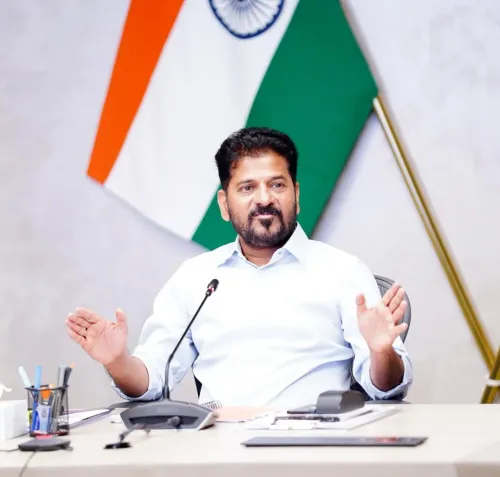
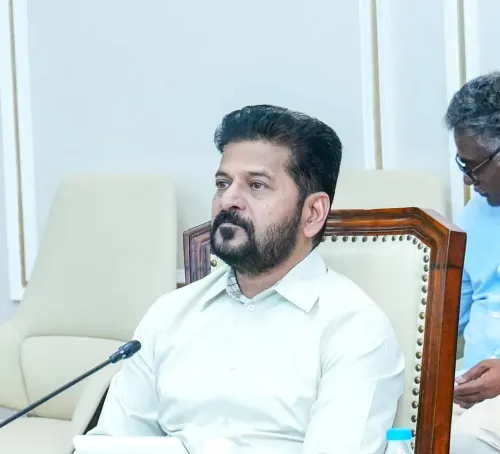
The event, billed as a prestige initiative of the state government, brought together model farmers, agricultural scientists, and officials for a face-to-face dialogue with the Chief Minister. Revanth Reddy did not soften the message. 'There is no one dearer to me than you,' he told the gathering. 'The heat ahead will be extreme. There is no water in the projects. Grow crops that need less water. The government will stand by you in these difficult times.'
He then made a direct appeal: 'As your brother, I am requesting — from now until next July, rains will not come. Think once before you sow. After Sankranti, I will launch the Praja Balam programme and come to every region, every area. I will be with you in your hardships. Let us all unite and face El Niño.'
Medigadda's Collapse and the Kannepalli Pump Crisis
The CM addressed a pointed criticism head-on: why aren't Godavari waters being lifted when the river is flowing? His answer was structural. The Medigadda barrage, one of three key barrages on the Godavari under the Kaleshwaram lift irrigation system, suffered structural damage, rendering the Kannepalli pump house non-operational. 'Only when Medigadda's gates are shut and 16 TMC of water is held back does water enter the pump house for lifting,' he explained.
He also pushed back on allegations that Telangana was diverting water to Andhra Pradesh, stating that water held at Tupakula Gudem is being lifted through the Devaadula project and used under the Sitaram project in Khammam. The three barrages — Medigadda, Annaram, and Sundilla — have no direct ayacut (command area) and must function simultaneously for water to reach Sripad Yellampalli.
Palamuru's Decades-Long Thirst and Stalled Schemes
Revanth Reddy traced the region's water grief back to independence itself. Palamuru district has waited since 1947 for drinking and irrigation water, he said — and despite Telangana's formation in 2014 raising hopes of equity, schemes like Kalvakurthi, Bhima, Nettempadu, Koilsagar, Palamuru-Ranga Reddy, and the Makthal-Narayanpet-Kodangal lift projects have not progressed as promised. He also recalled that the SLBC (Srisailam Left Bank Canal) tunnel, had it been completed, would have ended the fluoride crisis in Nalgonda.
He invoked the legacy of former Chief Minister YS Rajasekhara Reddy, who launched the Pranahita-Chevella project at Thummidihetti with an outlay of Rs 15,000 crore to channel water to Chevella, Vikarabad, and Tandur — a project he said was never completed by subsequent governments.
Kodangal as a Rs 10,000 Crore Development Model
Beyond drought management, the CM unveiled an ambitious industrial and educational blueprint for the Kodangal region. A 250-foot-wide road from Hyderabad Airport to Kodangal is under construction, and the corridor from Hyderabad to Lagacherla is to be developed as an industrial hub on the lines of Delhi-Noida and Mumbai-Pune. Farmers along the route voluntarily surrendered land, receiving Rs 20 lakh per acre in compensation.
Under the RARE (Rural Agriculture Region Economy) framework, the government plans medical, engineering, polytechnic, nursing, veterinary, law, Young India Integrated School, and Sainik School institutions in the area — positioning Kodangal as a national development model. Total development outlay announced: Rs 10,000 crore. Thousands of crores in industrial investment and employment for local youth, the CM promised, are on the way.
December Assembly Sessions to Debate Water Future
The Chief Minister announced that special assembly sessions lasting two to three days will be held in December to comprehensively discuss El Niño preparedness, the Kaleshwaram situation, and the management of Godavari and Krishna river waters — with full details to be placed before the public. It is a rare legislative step, signalling that the government intends to make water governance a matter of public record rather than bureaucratic back-room management.
Eight months of hard weather lie ahead. The CM's message was unambiguous: plant less, plan more, and hold together — because the government intends to be counted when the ground runs dry.
Point of View
While simultaneously reframing the Kaleshwaram controversy around structural engineering facts rather than governance failure. By announcing December special assembly sessions on water, the Congress government signals transparency — but also sets a high-stakes public accountability moment for itself. The Kodangal development pitch, layering industrial corridors atop an agricultural crisis message, mirrors the Congress playbook of tying welfare with aspirational growth to consolidate both rural and peri-urban voter bases ahead of the next electoral cycle.
NationPress
7 Nov 2026
Frequently Asked Questions
Why is Telangana facing a drought in 2026?
The El Niño climate phenomenon is responsible for significantly reduced rainfall and intense heat conditions across Telangana. CM Revanth Reddy warned that this situation will persist for the next 8 months, from late 2026 through July 2027.
What crops did CM Revanth Reddy ask Telangana farmers to grow?
He urged farmers to grow 'arutadi' or dry-land crops that require minimal water, given that reservoirs and projects across the state have critically low water levels due to El Niño.
Why is the Medigadda barrage in the news?
The Medigadda barrage, a key structure under the Kaleshwaram lift irrigation project, suffered structural damage that rendered the Kannepalli pump house non-operational. The CM explained that Godavari water can only be lifted when Medigadda's gates close and hold back 16 TMC of water.
What is the Mega Rythu Mela in Kodangal?
The Mega Rythu Mela is a flagship agricultural fair organised by the Telangana state government at Hakimpet in Kodangal constituency, Vikarabad district, bringing together farmers, agricultural scientists, and officials for direct dialogue with the Chief Minister.
What is the RARE framework announced for Kodangal?
RARE stands for Rural Agriculture Region Economy. Under this framework, the Telangana government is developing Kodangal as a national model with Rs 10,000 crore in investment, covering medical, engineering, law, nursing, and other educational institutions alongside industrial parks and a 250-foot road from Hyderabad Airport.