Strait of Hormuz reopening deal: Iran, Oman reach 60-day understanding
Synopsis
For the first time since Iran closed the Strait of Hormuz to US- and Israel-linked vessels in February, a credible reopening framework has emerged — brokered with Oman, pending Tehran's security council sign-off. With roughly 20% of global oil supply at stake and US-Iran indirect talks in their 'final stage,' the next few days could reshape both energy markets and Middle East diplomacy.
Key Takeaways
Iran and Oman have reportedly reached an understanding to reopen the Strait of Hormuz for 60 days , according to Al Hadath and Al Arabiya .
The deal still requires approval by Iran's Supreme National Security Council and could be announced within days.
Inbound vessels would use a route near Iran; outbound vessels would take a lane near Oman — with no transit fees .
The US and Iran would reactivate Paragraph 5 of their peace MoU, covering safe commercial navigation, upon approval.
Iran closed the strait on 28 February following joint US-Israel strikes on Iranian territory.
Iran's Acting Defence Minister Majid Ebn-e-Reza simultaneously reaffirmed Tehran's military readiness, signalling diplomacy and deterrence are running in parallel.
Iran and Oman have reportedly reached an understanding on the framework of an agreement to reopen the Strait of Hormuz for 60 days, according to Saudi-based broadcasters Al Hadath and Al Arabiya, both citing high-ranking sources on Thursday, 6 August. The deal, if finalised, would resume commercial navigation through one of the world's most critical maritime chokepoints.
Key Terms of the Proposed Agreement
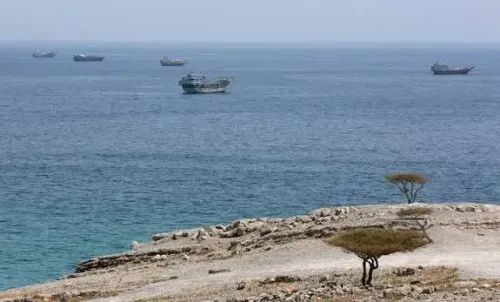
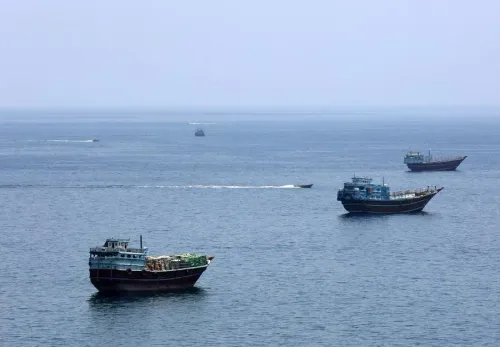
Under the reported framework, vessels entering the strait would use a route close to Iran, while outbound ships would follow a lane near Oman. No transit fees or service charges would be imposed on passing vessels. Regional parties may also participate in demining and technical procedures, according to the sources.
The agreement still requires approval by Iran's Supreme National Security Council and could be formally announced within days, the sources added.
US-Iran Dimension
Following the agreement's approval, the United States and Iran are expected to return to their peace memorandum of understanding (MoU) and activate Paragraph 5, which specifically concerns the reopening and safe navigation of commercial shipping through the strait. Indirect contacts between the two countries, conducted through mediators, have reportedly entered their final stage.
This comes amid a broader diplomatic backdrop: in June, Iran and the United States signed an MoU on ending the war on all fronts, including Lebanon. The two sides were scheduled to hold negotiations within a 60-day period to reach a final agreement, but recent regional escalation had left the talks' fate uncertain.
Background: Why Hormuz Was Closed
Iran tightened its grip on the strait on 28 February, barring safe passage of vessels belonging to or affiliated with Israel and the United States following their joint strikes on Iranian territory. The closure sent shockwaves through global energy markets, given that roughly 20% of the world's oil supply transits the strait. This is the first credible framework for reopening to emerge since the blockade began.
Iran's Defence Posture
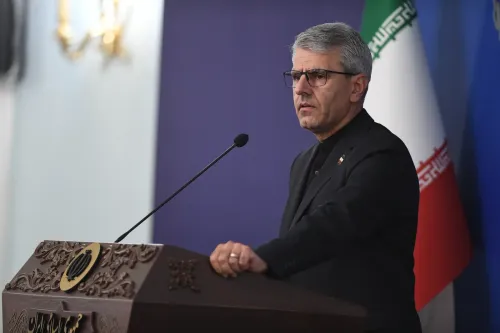
Even as diplomatic channels advance, Iran's Acting Defence Minister, Brigadier General Majid Ebn-e-Reza, on Thursday signalled no softening of Tehran's military stance. In a message shared on his social media account, he said: 'Every day, the signs of the enemy's erosion of power become more evident; however, our Armed Forces, relying on the country's defence industry, are fully equipped to respond to any threat,' according to Iran's official Islamic Republic News Agency (IRNA).
Ebn-e-Reza further warned that nations seeking to buy security and military superiority from abroad would soon find that Iran's indigenous technology is superior to any system in the region, IRNA reported. The remarks underscore that Tehran views diplomacy and deterrence as parallel tracks.
What Comes Next
The immediate watch point is whether Iran's Supreme National Security Council ratifies the framework, which sources say could happen within days. A formal announcement would likely trigger a resumption of US-Iran MoU negotiations and a phased reopening of the strait to commercial traffic. Energy markets and global shipping insurers will be closely monitoring developments, given the strait's outsized role in crude oil and LNG flows.
Point of View
But its fragility is built in: it hinges on a security council that has historically moved slowly, and on US-Iran indirect talks that nearly collapsed amid recent regional escalation. Notably, Tehran's simultaneous military signalling from its acting defence minister is not contradictory — it is strategic. Iran is negotiating from a position of demonstrated leverage, not concession. The real question is whether Washington reads the 60-day window as a genuine de-escalation path or a tactical pause, because the answer will determine whether Paragraph 5 of the MoU becomes a durable framework or another headline that fades without implementation.
NationPress
21 Sept 2026
Frequently Asked Questions
What is the Iran-Oman Strait of Hormuz reopening deal?
Iran and Oman have reportedly agreed on the outlines of a framework to reopen the Strait of Hormuz for 60 days, allowing commercial vessels to resume navigation through the waterway. The deal still needs approval from Iran's Supreme National Security Council before it can be formally announced.
Why was the Strait of Hormuz closed?
Iran tightened its control over the strait on 28 February, barring safe passage to vessels belonging to or affiliated with Israel and the United States, following joint US-Israeli strikes on Iranian territory. The closure disrupted a waterway through which roughly 20% of the world's oil supply passes.
What is Paragraph 5 of the US-Iran MoU?
Paragraph 5 refers to a specific clause in the peace memorandum of understanding signed by the US and Iran in June, which covers the reopening and safe navigation of commercial shipping through the Strait of Hormuz. It is expected to be activated once Iran's security council approves the current framework.
Who brokered the Hormuz agreement?
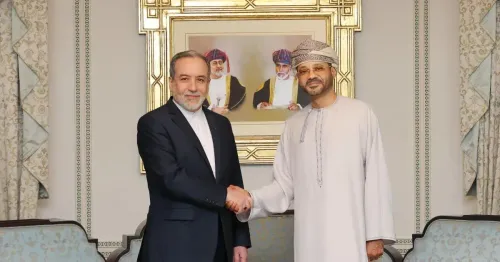
Oman played the key intermediary role, consistent with its long-standing tradition of facilitating back-channel diplomacy between Iran and Western powers. Indirect contacts between Iran and the United States through mediators are reportedly in their final stage.
What did Iran's Acting Defence Minister say amid the talks?
Brigadier General Majid Ebn-e-Reza said Iran's armed forces are 'fully equipped to respond to any threat,' according to IRNA, and warned that countries dependent on foreign military technology would find Iran's indigenous defence capabilities superior. The remarks suggest Tehran is pursuing diplomacy without signalling military retreat.