Hormuz shipping to resume within 30 days under US-Iran MOU
Synopsis
A newly signed US-Iran memorandum of understanding could reopen the Strait of Hormuz to full commercial traffic within 30 days, with toll-free navigation guaranteed for 60 days and oil and gas tankers first in line. Daily vessel throughput is expected to jump from 25 to 40-50 ships almost immediately — a potential turning point for global energy markets rattled by weeks of blockade.
Key Takeaways
A US-Iran memorandum of understanding signed on 15 June provides for reopening the Strait of Hormuz within 30 days .
The strait will be open toll-free for 60 days , with the provision expected to carry into a final agreement.
Daily vessel throughput is projected to rise from 25 ships to 40–50 ships in the near term.
Oil and gas tankers will receive priority passage under the new framework.
A maritime freedom coordination mechanism has been established through Bahrain and US CENTCOM .
Over 7 million barrels of oil per day were reportedly transiting the strait even during the crisis, according to officials.
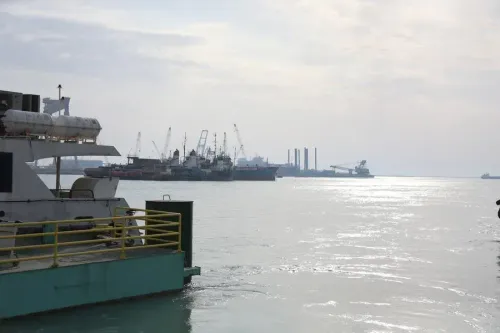
Commercial shipping through the Strait of Hormuz is expected to return to normal within 30 days under a newly signed US-Iran memorandum of understanding, senior US officials said on Monday, 15 June, outlining provisions for toll-free navigation, priority passage for oil and gas tankers, and a US-backed maritime coordination mechanism. The agreement marks a significant step toward restoring one of the world's most critical energy corridors after weeks of blockade-driven disruption.
What the MOU Provides
According to senior officials, the memorandum of understanding between Washington and Tehran provides for reopening the Strait of Hormuz and lifting the naval blockade that had disrupted maritime traffic and unsettled global energy markets. “We’re quite explicit in this MOU. The straits will be open toll-free for 60 days, and we expect that to become part of the final agreement as well,” a senior US official said during a background briefing.
Traffic Already Recovering
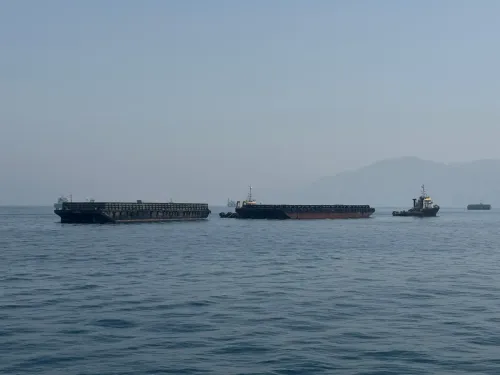
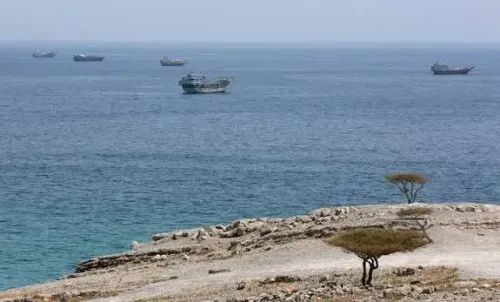
Officials said shipping activity had already begun increasing in the immediate aftermath of the agreement. “We’re already seeing a substantial increase in traffic,” one official said, adding that commercial movements were expected to accelerate over the coming days. Vessel traffic, which had fallen sharply during the crisis, is projected to rebound quickly. “We’ve been getting as many as 25 ships through a day. Now that we’re through, I think that’ll probably go to maybe 40 to 50, pretty quickly,” a senior official said. “By Friday, everything will be fully open, I think.”
Energy Cargoes Get Priority
The administration indicated that energy shipments would be among the first to benefit from the reopening. “The prioritization will be on the heavy tankers, you know, the gas, the oil. So, I think that will actually flow very quickly,” the official said. This is significant given that the Strait of Hormuz handles roughly a fifth of the world’s traded oil, making any sustained disruption a direct shock to global energy prices.
Bahrain-Based Coordination Mechanism
Officials disclosed that Washington had established a maritime freedom coordination mechanism through Bahrain and US Central Command (CENTCOM) to facilitate the return of commercial traffic. “We have a maritime freedom coordination mechanism that we’ve set up in Bahrain through CENTCOM, and that will help work with all the commercial ships,” a senior official said. Some shipping companies were noted to remain cautious after weeks of conflict, mining threats, and security concerns, though officials expressed confidence that normal conditions would return relatively quickly.
Economic Pressure That Brought Iran to the Table
Senior officials argued that sustained maritime operations had already reduced Iran’s leverage over the strait. “Over the last couple of weeks, we’ve been getting over 7 million barrels a day out of the strait,” one official said, adding that the effort helped convince Tehran that it “did not have control” of the waterway. The blockade, officials said, had exerted significant economic pressure on Iran and contributed directly to the negotiations that produced the MOU. “We’re going to be super aggressive towards getting this open as quickly as possible, because that’s great for the world economy,” a senior official said.
With sectoral shipping caution expected to ease as security guarantees firm up, the coming days will be closely watched by energy markets and global trade observers alike.
Point of View
But the 30-day timeline rests heavily on shipping companies — not governments — deciding to return. War-risk insurance premiums, mine-clearing timelines, and crew safety concerns are not resolved by a memorandum. The claim that 7 million barrels a day were still moving through the strait during the blockade, if accurate, also complicates the narrative of total Iranian control — and raises questions about how much leverage Tehran actually surrendered. The real test of this agreement is whether the final deal, not just the 60-day toll-free window, delivers durable navigational guarantees.
NationPress
23 Sept 2026
Frequently Asked Questions
What is the US-Iran MOU on the Strait of Hormuz?
It is a memorandum of understanding signed between the United States and Iran that provides for reopening the Strait of Hormuz , lifting the naval blockade, and guaranteeing toll-free navigation for 60 days . Senior US officials said on 15 June that full commercial shipping is expected to resume within 30 days .
When will the Strait of Hormuz fully reopen?
Senior US officials said they expect normal shipping conditions to return “definitely within 30 days ,” with vessel traffic already rising. One official said the strait could be “fully open” by the end of that week.
Which ships get priority under the new framework?
Oil and gas tankers have been designated for priority passage under the MOU. Officials said heavy tankers carrying energy cargo would “flow very quickly” once the reopening was formalised.
How is the US coordinating maritime traffic through the strait?
Washington has set up a maritime freedom coordination mechanism through Bahrain and US Central Command (CENTCOM) to manage the return of commercial vessels and liaise with shipping companies.
Why did Iran agree to reopen the Strait of Hormuz?
According to US officials, the naval blockade exerted significant economic pressure on Iran and ultimately brought Tehran to the negotiating table. Officials also argued that sustained US and partner operations had already reduced Iran’s effective control over the waterway, with over 7 million barrels of oil per day reportedly still transiting during the crisis.