US lifts Iran port blockade after nuclear deal MoU signed
Synopsis
The US has ended its military blockade of Iranian ports just one day after signing a 14-paragraph MoU with Tehran — committing Iran to no nuclear weapons, reopening the Strait of Hormuz, and setting a 60-day clock for a final deal. Trump called it a complete success; the real test begins now.
Key Takeaways
US Central Command confirmed on 19 June that all maritime blockade enforcement against Iranian ports has ceased.
The move followed a 14-paragraph memorandum of understanding signed between the US and Iran , committing Tehran not to 'procure or develop nuclear weapons.' The MoU restores commercial shipping through the Strait of Hormuz and establishes a 60-day window for negotiating a final agreement.
Sanctions relief is tied to Iranian compliance , with international oversight of enriched nuclear material.
President Trump announced the deal at the G7 summit in France , preserving the option of renewed military action if Iran fails to comply.
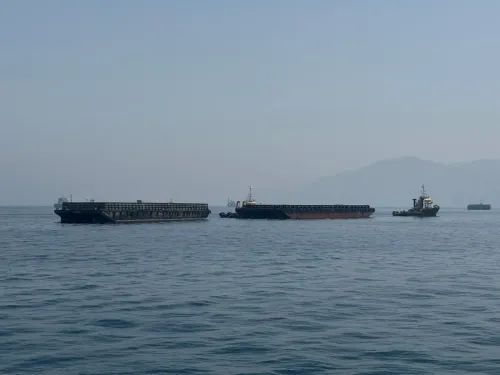
US Central Command announced on 19 June that American forces have ended all maritime blockade enforcement operations against Iranian ports and coastal waters, one day after Washington and Tehran signed a landmark memorandum of understanding aimed at preventing Iran from acquiring a nuclear weapon.
What Central Command Said
In an official post on X, US Central Command confirmed: 'American forces are not impeding the transit of vessels to or from Iranian ports. All US military blockade enforcement efforts have ceased.' The command added that US warships 'will remain in the general area to make sure that all aspects of the agreement are adhered to, obeyed and in full force and effect.'
Key Terms of the Memorandum of Understanding
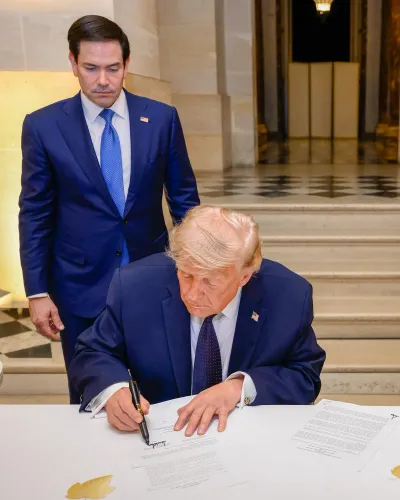
Senior US officials released the text of a 14-paragraph memorandum of understanding that commits Iran not to 'procure or develop nuclear weapons.' The MoU also restores commercial shipping through the Strait of Hormuz and establishes a 60-day period for negotiating a final comprehensive agreement. Crucially, sanctions relief is linked to Iranian compliance, and the document provides for international oversight of Tehran's enriched nuclear material.
Trump Unveils Deal at G7 Summit
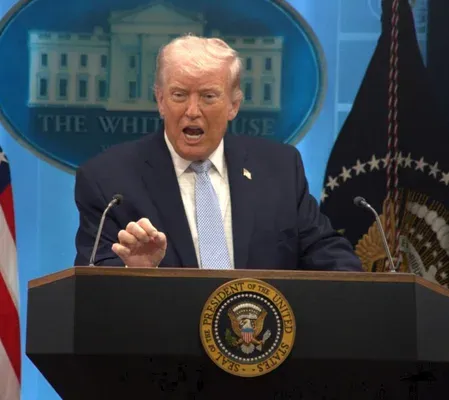
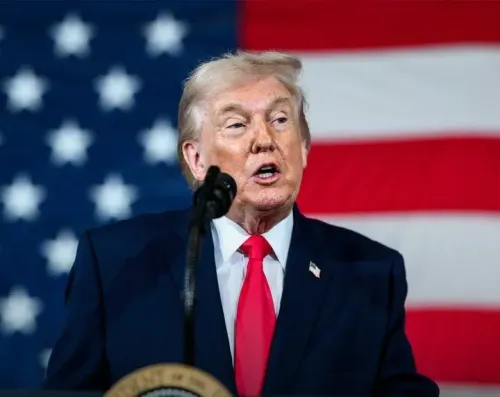
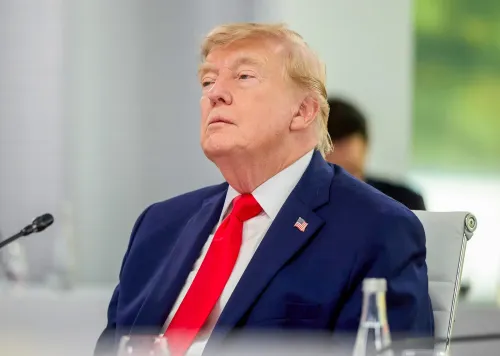
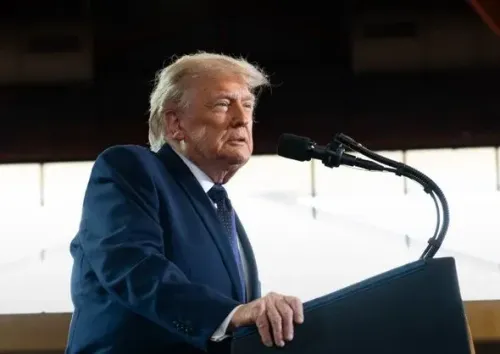
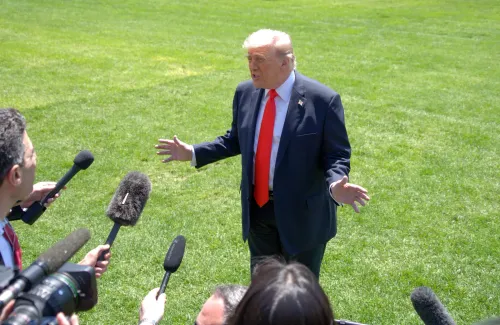
US President Donald Trump unveiled the agreement's details at the conclusion of the G7 summit in France, describing it as achieving 'everything we set out to accomplish.' Trump said the deal would 'end the current conflict, reopen the Strait of Hormuz and prevent Iran from obtaining a nuclear weapon.' He also noted that the agreement preserves the option of renewed military action if Iran fails to comply with its terms.
Broader Diplomatic Implications
Trump framed the accord as an opportunity for a broader diplomatic reset across the Middle East, with the current agreement serving as a launchpad for negotiations toward a comprehensive settlement. This comes amid years of escalating tensions between Washington and Tehran over Iran's nuclear programme, with the Strait of Hormuz — a chokepoint for roughly 20% of global oil trade — at the centre of recent military standoffs. Notably, the MoU does not constitute a final treaty; the 60-day negotiation window means the durability of the arrangement remains to be tested.
What Happens Next
Commercial maritime traffic through Iranian ports and the Strait of Hormuz is expected to resume without US military interference. International bodies will reportedly begin overseeing Iran's enriched nuclear material as stipulated in the MoU. Both sides face a tight 60-day deadline to convert this preliminary understanding into a binding final agreement, with the threat of resumed US military action serving as the primary enforcement lever.
Point of View
And the history of US-Iran diplomacy is littered with agreements that unravelled at the implementation stage. The 60-day negotiation window is extremely compressed for a dispute spanning decades and touching enrichment levels, sanctions architecture, and regional proxy behaviour. Trump's framing — 'everything we set out to accomplish' — sets a high public bar that will be judged against verifiable Iranian compliance, not rhetoric. The inclusion of military action as a fallback is a signal of leverage, but also an admission that the deal rests on coercive credibility rather than mutual trust. Whether international oversight of enriched material has real teeth will be the first litmus test.
NationPress
18 Sept 2026
Frequently Asked Questions
Why did the US lift the blockade on Iranian ports?
The US lifted the blockade on 19 June following the signing of a memorandum of understanding with Iran that commits Tehran to not procuring or developing nuclear weapons and restores shipping through the Strait of Hormuz. US Central Command stated that all blockade enforcement efforts have ceased, though warships remain in the area to monitor compliance.
What does the US-Iran memorandum of understanding include?
The 14-paragraph MoU commits Iran not to procure or develop nuclear weapons, restores commercial shipping through the Strait of Hormuz, links sanctions relief to Iranian compliance, and provides for international oversight of Tehran's enriched nuclear material. It also establishes a 60-day period for negotiating a final comprehensive agreement.
What did President Trump say about the Iran agreement?
Speaking at the G7 summit in France, President Trump said the deal achieves 'everything we set out to accomplish,' including ending the current conflict, reopening the Strait of Hormuz, and preventing Iran from obtaining a nuclear weapon. He noted the agreement preserves the option of renewed military action if Iran fails to comply.
What is the significance of the Strait of Hormuz in this deal?
The Strait of Hormuz is a critical global oil shipping chokepoint, and its closure or restriction has major consequences for energy markets worldwide. Reopening it to unrestricted commercial traffic is a central economic component of the MoU and a key demand the US had pursued during the standoff.
What happens if Iran does not comply with the memorandum?
According to President Trump, the agreement explicitly preserves the option of renewed US military action if Iran fails to adhere to the terms. Sanctions relief is also directly tied to Iranian compliance, meaning non-compliance could trigger both economic and military consequences.