US lifts Iran naval blockade ahead of Friday MoU signing in Switzerland
Synopsis
The US has reportedly lifted its two-month naval blockade on Iranian ports — a key Iranian demand — just days before a formal MoU signing in Switzerland. With Trump declaring the Strait of Hormuz 'partially opened' and Macron calling it a peace deal, this is the most significant diplomatic shift in the Iran standoff in years, with global energy markets and Lebanon peace prospects hanging in the balance.
Key Takeaways
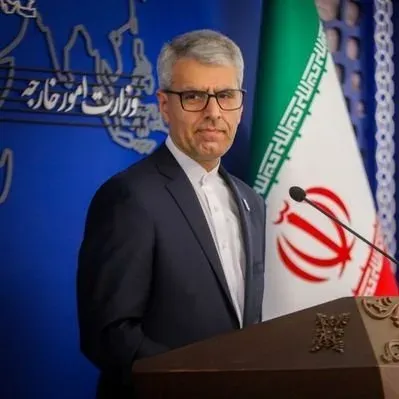
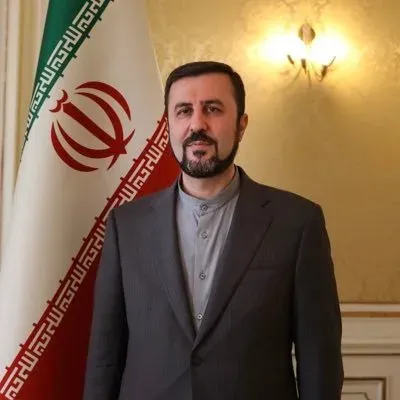
Iran's Deputy Foreign Minister Majid Takht-Ravanchi confirmed the US has lifted its naval blockade on Iranian ports , in place for nearly two months .
The blockade was lifted ahead of a formal MoU signing scheduled for Friday in Switzerland .
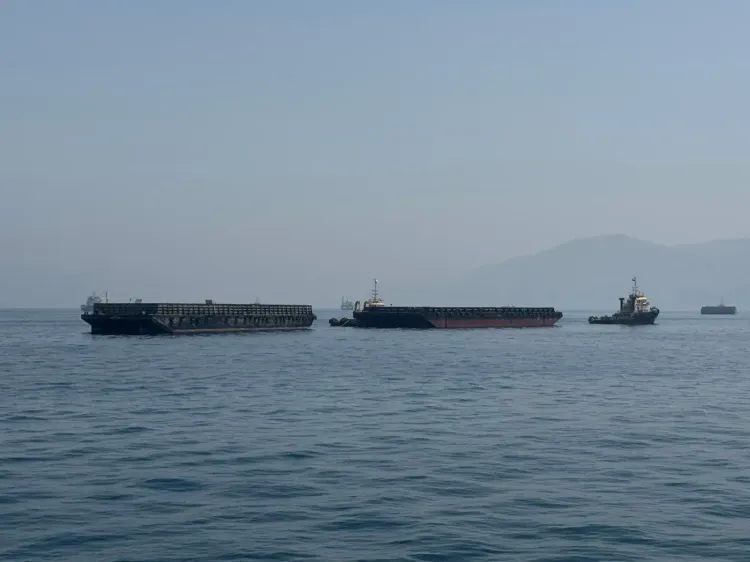
On Monday , Iranian media reported three oil tankers and two ships carrying essential goods had already breached the blockade.
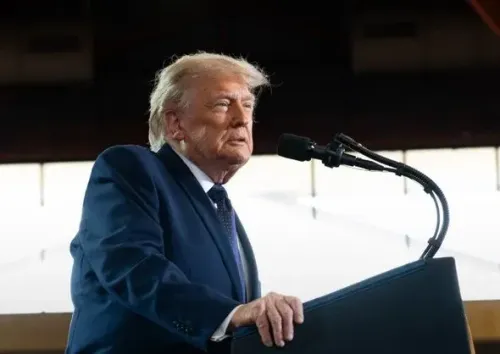
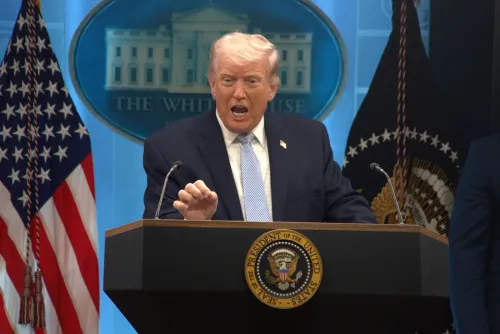
US President Donald Trump confirmed the Strait of Hormuz is 'already partially opened', with full reopening expected Friday .
French President Emmanuel Macron called the agreement a 'peace deal with Iran' and linked it to stability in Lebanon .
The deal was welcomed on the sidelines of the G7 Summit in Evian, France .
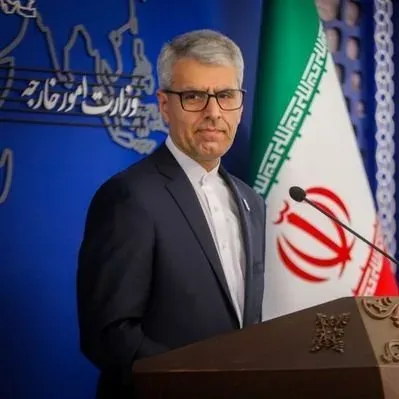
The United States has reportedly lifted its naval blockade on Iranian ports, according to Iran's Deputy Foreign Minister Majid Takht-Ravanchi, who cited the development as a precondition fulfilled ahead of a formal memorandum of understanding (MoU) signing scheduled for Friday in Switzerland. The blockade, which had been in place for nearly two months, was lifted before the agreement's formal conclusion, Takht-Ravanchi said in remarks carried on the Iranian government website.
What the Deputy Foreign Minister Said
'The lifting of the blockade was something we had emphasised from the beginning. Now it has begun, and the blockade has been lifted before the formal signing' of the agreement, Takht-Ravanchi stated. The comment signals that Tehran views the naval withdrawal as a meaningful concession extracted during negotiations, not a goodwill gesture.
Earlier on Monday, Iranian media had reported that three oil tankers and two ships carrying essential goods had already breached the blockade — a development that now appears to have been an early indicator of the US move.
Trump and Macron Hail the Deal
US President Donald Trump and French President Emmanuel Macron on Monday praised the newly signed agreement with Iran, calling it a significant step toward reducing tensions in the Middle East, reopening the Strait of Hormuz, and preventing Tehran from acquiring a nuclear weapon. The two leaders met on the sidelines of the G7 Summit in the French resort town of Evian.
'I think yesterday was a very important agreement, a peace deal with Iran,' Macron said at the start of the bilateral meeting. 'It will fix the nuclear issue first, it will fix the nuclear issue, and it's a very important matter for peace, for the whole world.'
Macron also linked the deal to prospects for stability in Lebanon, saying: 'It will provide peace in Lebanon, and so we are ready to take our fair share of the burden and be part of the commitment of the international community in order to support this deal.'
Strait of Hormuz Already Partially Open
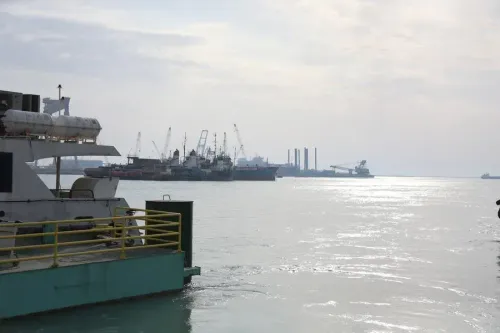
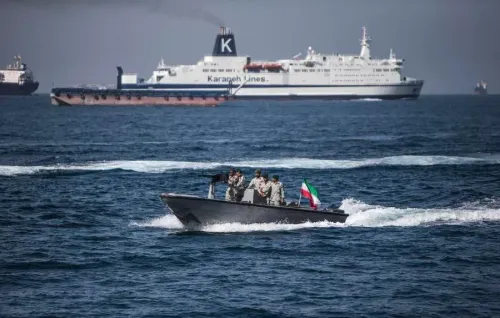
Trump confirmed that commercial shipping had begun moving again through the Strait of Hormuz, one of the world's most critical oil transit routes, accounting for roughly a fifth of global oil flows. 'The deal is all signed, and the Strait is already partially opened,' he said. 'Ships are starting to go out now. On Friday, it'll be completely opened.'
This comes amid sustained pressure on global energy markets since the blockade was imposed, with oil prices having reflected supply-route anxiety throughout the two-month standoff. A full reopening of the Strait on Friday, if confirmed, would mark one of the most consequential diplomatic outcomes in the region in years.
What Happens Next
The formal MoU signing is scheduled for Friday in Switzerland, which is expected to codify the nuclear and shipping commitments both sides have acknowledged. The deal could also open a diplomatic channel to address broader regional flashpoints, including Lebanon, as Macron indicated. Global energy markets and Gulf states will be watching closely for whether the commitments hold beyond the signing ceremony.
Point of View
Not after. That asymmetry will shape how hardliners on both sides read the deal's durability. More critically, the Strait of Hormuz's partial reopening is already moving energy markets, which means the deal has real-world stakes beyond diplomatic optics. But the gap between a signed MoU and verified nuclear compliance remains vast, and the history of US-Iran agreements is a graveyard of optimistic Mondays followed by collapsed Fridays. The Lebanon linkage Macron introduced adds another variable that neither Washington nor Tehran fully controls.
NationPress
15 Sept 2026
Frequently Asked Questions
Has the US lifted the naval blockade on Iran?
Yes, reportedly. Iran's Deputy Foreign Minister Majid Takht-Ravanchi confirmed the US lifted its naval blockade on Iranian ports, which had been in place for nearly two months, ahead of a formal MoU signing scheduled for Friday in Switzerland.
What is the MoU between the US and Iran about?
The memorandum of understanding, set to be formally signed on Friday in Switzerland, is aimed at addressing Iran's nuclear programme, reopening the Strait of Hormuz to commercial shipping, and easing Middle East tensions. Specific terms beyond these broad commitments have not been publicly detailed.
What is the significance of the Strait of Hormuz reopening?
The Strait of Hormuz is one of the world's most critical oil transit routes, through which roughly a fifth of global oil flows. Its closure during the two-month blockade had pressured global energy markets. President Trump confirmed it is already partially open, with full reopening expected Friday.
What did Macron say about the Iran deal at the G7?
French President Emmanuel Macron, speaking at the G7 Summit in Evian, called the agreement 'a very important agreement, a peace deal with Iran.' He said it would address the nuclear issue and could also contribute to peace in Lebanon, with France ready to support the international commitment.
What happens after the MoU is signed on Friday?
The Friday signing in Switzerland is expected to formalise commitments on nuclear compliance and shipping access through the Strait of Hormuz. Diplomatic observers will watch whether the agreement leads to a broader framework addressing regional conflicts, including in Lebanon, as Macron suggested.