Iran-US talks in Switzerland postponed, new meeting planned within days
Synopsis
The Iran-US meeting in Switzerland was rendered 'non-urgent' after Presidents Pezeshkian and Trump signed their memorandum of understanding electronically — before the scheduled in-person ceremony. With a new meeting being planned through mediators, the real test now is whether the MoU's sweeping prerequisites — Hormuz reopening, frozen assets, end to hostilities — can be met fast enough to keep the diplomatic momentum alive.
Key Takeaways
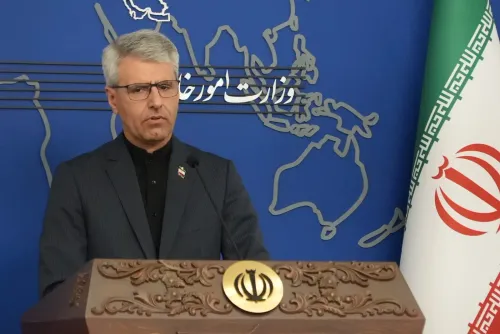
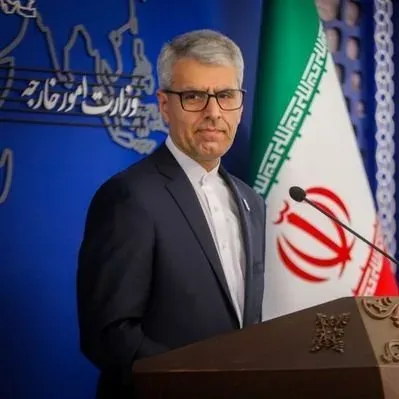
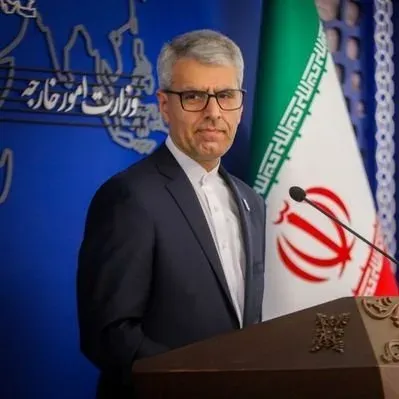
Iran's Foreign Ministry spokesman Esmaeil Baghaei confirmed on 20 June that the scheduled Iran-US meeting in Switzerland has been postponed.
A new meeting is being planned for the coming days through mediators, with the date to be announced once conditions are set.
The postponement followed the electronic signing of the MoU by President Masoud Pezeshkian and President Donald Trump early Thursday, making an in-person ceremony redundant.
Substantive talks are contingent on prerequisites including reopening of the Strait of Hormuz for 60 days , removal of the US naval blockade , and release of Iranian frozen assets .
Iran denied inviting the IAEA to inspect nuclear sites; nuclear negotiations are scheduled within 60 days if prerequisites are met.
The MoU was finalised by Iran, the US, and Pakistan following joint US-Israeli attacks on Tehran on 28 February and Iran's retaliatory strikes.
Iran's Foreign Ministry spokesman Esmaeil Baghaei announced on 20 June that a scheduled meeting between Iranian and US delegations in Switzerland has been postponed, with planning underway for a fresh round of talks in the coming days. Baghaei said consultations for the next phase are ongoing through mediators, and a new date will be confirmed once conditions are in place.
Why the Switzerland Meeting Was Postponed
The Friday meeting had originally been planned for the formal signing of a memorandum of understanding (MoU) and to set the agenda for a final agreement. However, Baghaei described it as having become 'non-urgent' after Iranian President Masoud Pezeshkian and US President Donald Trump electronically signed the document early Thursday, making an in-person signing ceremony redundant.
Key Conditions Under the MoU
According to Baghaei, the start of substantive negotiations under the MoU is contingent on the fulfilment of several prerequisites. These include an end to war and military operations on all fronts — including Lebanon — the removal of the US naval blockade, the reopening of the Strait of Hormuz for vessel passage free of charge for 60 days, the issuance of US waivers for Iran's exports of crude oil, petroleum products and derivatives, and the release of Iranian frozen assets.
Nuclear Programme: IAEA Access and the Status Quo
Baghaei also pushed back against reports that Iran had invited the International Atomic Energy Agency (IAEA) to inspect its nuclear facilities. He clarified that under the MoU, negotiations on Iran's nuclear programme are scheduled to begin within 60 days, provided the prerequisites are met. In the interim, Iran will maintain its current nuclear status quo, limiting IAEA inspections to facilities such as the Bushehr Nuclear Power Plant. Access to sites previously denied following US and Israeli attacks will depend on the outcome of the negotiation process, he added.
Background: How the MoU Came About
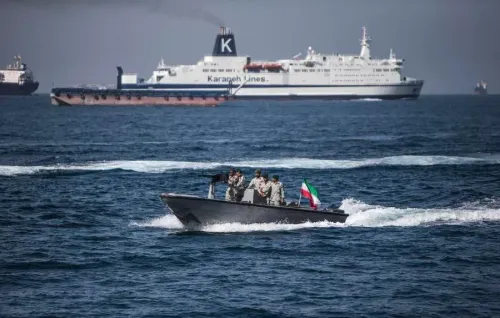
The MoU was finalised early Monday by Iran, the United States, and Pakistan, covering an end to hostilities on all fronts, including Lebanon, after weeks of negotiations. The agreement follows months of regional escalation that began on 28 February, when Israel and the United States launched joint attacks on Tehran and other Iranian cities. Iran responded with waves of missile and drone strikes targeting Israeli and US assets across the region, and tightened its grip on the Strait of Hormuz, barring passage of vessels belonging to or affiliated with Israel and the United States.
What Comes Next
A new date for the Iran-US meeting will be announced once the mediator-led consultations conclude and conditions are deemed met. The next round is expected to focus on arrangements for the final agreement, with the nuclear dossier formally on the table only after the 60-day prerequisite window opens. The pace of implementation — particularly on the Hormuz reopening and frozen assets — will likely determine whether talks advance on schedule.
Point of View
But the gap between signing and negotiating remains vast. The prerequisites Iran has outlined — Hormuz reopening, frozen assets release, end to hostilities on all fronts — are not procedural formalities; they are substantive concessions that the US has historically resisted. The inclusion of Pakistan as a co-signatory is underreported: it suggests a regional guarantor role that could complicate or stabilise the process depending on Islamabad's leverage. The 60-day nuclear negotiation window is the real clock to watch — if prerequisites stall, that window may never open.
NationPress
19 Sept 2026
Frequently Asked Questions
Why was the Iran-US meeting in Switzerland postponed?
The meeting was postponed because Iranian President Masoud Pezeshkian and US President Donald Trump electronically signed the memorandum of understanding early Thursday, making the scheduled in-person signing ceremony 'non-urgent,' according to Iran's Foreign Ministry spokesman Esmaeil Baghaei. A new meeting is now being planned through mediators for the coming days.
What conditions must be met before Iran-US negotiations begin?
Under the MoU, substantive talks can only begin after several prerequisites are fulfilled: an end to war and military operations including in Lebanon, removal of the US naval blockade, reopening of the Strait of Hormuz for free vessel passage for 60 days, US issuance of waivers for Iranian oil exports, and the release of Iranian frozen assets.
Has Iran invited the IAEA to inspect its nuclear facilities?
No. Iran's Foreign Ministry spokesman Esmaeil Baghaei denied reports of any such invitation. He said that under the MoU, IAEA access remains limited to facilities like the Bushehr Nuclear Power Plant, and access to previously denied sites will depend on the outcome of the negotiation process.
What is the MoU signed between Iran, the US, and Pakistan?
The memorandum of understanding, finalised early Monday by Iran, the United States, and Pakistan, outlines terms for ending the war in the region on all fronts, including Lebanon. It sets a framework for subsequent negotiations on a final agreement, with Iran's nuclear programme to be addressed within 60 days if prerequisites are met.
What triggered the current Iran-US conflict and diplomatic process?
On 28 February, Israel and the United States launched joint attacks on Tehran and other Iranian cities. Iran retaliated with missile and drone strikes on Israeli and US assets and tightened control over the Strait of Hormuz. Weeks of negotiations, mediated with Pakistan's involvement, led to the MoU being finalised.