Trump expects Iran nuclear deal within 60 days of MoU signing
Synopsis
Trump has put a 60-day clock on Iran to seal a final nuclear deal — and warned of consequences if the deadline lapses. The pressure comes just as a planned Switzerland round of technical talks collapsed, reportedly after Iran pulled out over Israeli strikes in Lebanon. With JD Vance’s departure also postponed, the diplomatic window is narrowing fast.
Key Takeaways
President Trump set a 60-day deadline from the MoU signing for Iran to agree to a final nuclear deal.
Trump warned that failure to reach a deal would mean “things that won’t make them happy.” Planned US-Iran technical talks in Switzerland were postponed; multiple reports link the withdrawal to Israeli strikes in Lebanon .
Vice President JD Vance’s planned departure for the negotiations was also postponed by the White House .
A new round of Israel-Lebanon talks is expected in Washington, DC the following week.
The MoU allows the 60-day window to be extended by mutual consent.
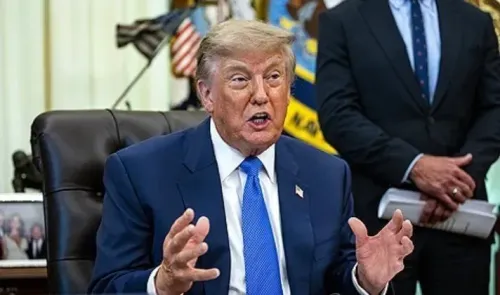
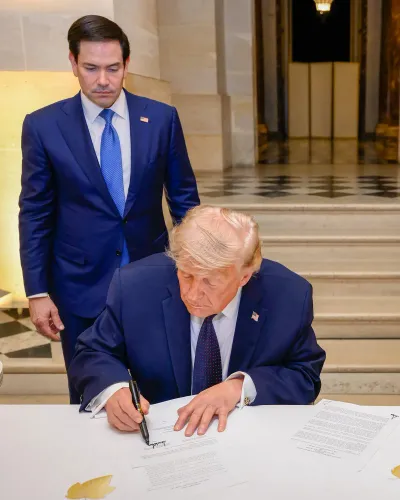
US President Donald Trump said on Friday, 20 June that he expects Iran to agree to a final nuclear deal within 60 days of the signing of the memorandum of understanding (MoU), warning of consequences if no agreement is reached by that deadline. The remarks came as a planned round of technical talks between the two sides was abruptly postponed, adding fresh uncertainty to an already fragile diplomatic process.
Trump's Warning and Deadline
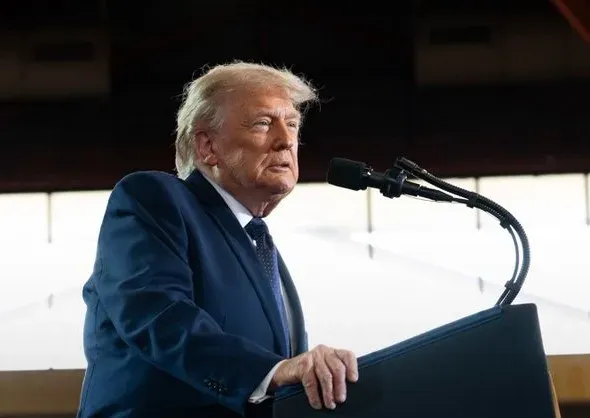
Speaking at Joint Base Andrews in Maryland, Trump issued a pointed warning: if no deal is reached within 60 days beginning Thursday, “we will do things that won’t make them happy.” He added, however, “But I don’t think it’s going to get to that.”
The text of the MoU itself states that both sides are committed to negotiating and achieving a final agreement within a maximum of 60 days, extendable by mutual consent. The negotiations were intended to move beyond the political framework stage into detailed discussions on implementation, verification, and compliance.
Switzerland Talks Postponed
The US-Iran technical talks, which had been scheduled to take place in Switzerland, were postponed with neither side offering an official explanation. Multiple media reports indicated that Iran withdrew from the talks in response to the latest Israeli strikes in Lebanon.
Switzerland’s Federal Department of Foreign Affairs confirmed the postponement in a statement: “The planned talks between the US, Iran, Qatar, and Pakistan have been postponed. Switzerland remains ready to facilitate these talks. The relevant preparatory work at Burgenstock is continuing. No further information can be provided at present.”
On Thursday night, the White House announced that US Vice President JD Vance’s planned departure for the technical negotiations had also been postponed. A White House spokesperson said: “As the Vice President said at his press conference, the plans for the upcoming technical talks have not been finalised, and the US delegation has been prepared to depart at the first available opportunity.”
Israel-Lebanon Ceasefire Push
Separately, Trump told NBC News on Friday that he had spoken with Israeli leaders and urged them to agree to a ceasefire with Hezbollah, describing the prospect as “a positive” and “a little icing on the cake.”
The US State Department confirmed that a new round of talks between Israel and Lebanon is scheduled to be held in Washington, DC the following week, signalling that diplomacy on both tracks — Iran and Lebanon — is proceeding in parallel, even as the Switzerland postponement clouds the immediate outlook.
What Comes Next
The postponement of the Switzerland talks represents a setback, but both sides have reportedly indicated they remain engaged. The 60-day clock from the MoU signing now looms as the central pressure point. Should the talks resume and succeed, it would mark a significant shift in US-Iran relations after years of maximum-pressure sanctions and diplomatic breakdown. If the deadline lapses without a deal, Trump’s warning of unspecified consequences could escalate tensions sharply.
Point of View
Regardless of outcome. But the Switzerland collapse exposes how fragile the process is: a single Israeli military action was enough to pull Iran off the table, suggesting Tehran’s engagement is conditional and reversible. The parallel Israel-Lebanon track further complicates matters; progress on one front can unravel the other. The MoU’s mutual-consent extension clause is the diplomatic off-ramp, but Trump’s public warning makes using it politically costly for both sides.
NationPress
19 Sept 2026
Frequently Asked Questions
What is the 60-day deadline Trump set for Iran?
President Trump said Iran has 60 days from the signing of the memorandum of understanding (MoU) to agree to a final nuclear deal. The MoU itself also specifies a maximum 60-day negotiating window, extendable by mutual consent.
Why were the US-Iran talks in Switzerland postponed?
The planned technical talks in Switzerland were postponed without an official explanation from either side. Multiple media reports indicated that Iran withdrew in response to the latest Israeli strikes in Lebanon.
What did Trump say would happen if no deal is reached?
Trump warned at Joint Base Andrews that if no deal is reached within 60 days, ‘we will do things that won’t make them happy.’ He did not specify what those measures would be, but added he did not expect the deadline to lapse without an agreement.
What is the current status of JD Vance’s planned trip for Iran talks?
The White House announced on Thursday night that Vice President JD Vance’s planned departure for the technical negotiations with Iran has been postponed. The administration said both sides remain focused on launching the next phase of discussions.
What is happening with Israel-Lebanon talks?
Separately from the Iran negotiations, the US State Department confirmed that a new round of talks between Israel and Lebanon will be held in Washington, DC the following week. Trump also said he urged Israeli leaders to agree to a ceasefire with Hezbollah.